Celebrating Eid means coming together with loved ones. It also means sharing wonderful food. Many families look forward to special dishes during this time.
These recipes are often passed down. They hold memories and traditions. Finding the right recipes can be a joy.
It can also feel a bit overwhelming. Especially when you want to impress or simply enjoy familiar tastes.
This guide is here to help. We will explore a variety of Eid special recipes Bangla. These are dishes that make the Eid feast truly memorable.
We aim for clarity and ease. So everyone can try their hand at making something special. Get ready to fill your home with amazing aromas.
Eid special recipes Bangla include both savory and sweet dishes. Key ingredients often feature lamb, beef, chicken, rice, and aromatic spices. Traditional favorites range from biryani and korma to sweet treats like sheer khurma.
These recipes are designed for festive gatherings and family enjoyment.
Understanding the Heart of Eid Cooking
Eid celebrations, both Eid al-Fitr and Eid al-Adha, are deeply tied to food. The flavors and dishes often reflect regional tastes within Bangladesh and West Bengal. For Eid al-Adha, in particular, the use of sacrificial meat is central.
This means recipes often highlight lamb, beef, or goat. The goal is to transform these meats into something delicious and celebratory. This often involves slow cooking, rich marinades, and a blend of warming spices.
It’s not just about the main dishes. Sweet treats play a huge role too. They are a way to end the meal on a high note.
They also serve as welcome snacks for guests. These sweets often incorporate milk, sugar, cardamom, and nuts. They offer a contrast to the richer, savory items.
The preparation itself is often a family affair. People gather to help cook, chop, and garnish.
My First Eid Feast Mishap
I remember my first Eid after moving out on my own. I wanted to make my grandmother’s famous beef Kala Bhuna. It was a dish everyone raved about.
I had watched her make it countless times. I thought I had it all down. I bought all the ingredients.
I followed her written recipe carefully. I started cooking it the day before, just like she did. The smell filled my small apartment, which was a good sign.
But somewhere along the way, I must have misread a spice measurement. Or perhaps I cooked it a bit too long on high heat early on. When it was time to serve it, it was tough.
Not just a little tough, but really chewy. The rich, dark color was there, but the texture was all wrong. My friends were kind, but I felt so disappointed.
It taught me that even with a familiar recipe, attention to detail is everything. And sometimes, a little trial and error is part of learning. That year, we ended up ordering in some dishes.
But the Kala Bhuna memory stuck with me. I was determined to get it right the next time.
Key Spices in Bangla Cuisine
Cumin Seeds (Jeera): Adds a warm, earthy flavor.
Coriander Powder (Dhone Gura): Offers a mild, citrusy note.
Turmeric Powder (Holud Gura): For color and a subtle bitter taste.
Garam Masala: A blend of ground spices, often including cinnamon, cardamom, and cloves. Adds warmth and aroma.
Ginger (Ada) & Garlic (Rosun): Essential for flavor base in most savory dishes.
Green Chilies (Kacha Lanka): Provide heat and freshness. You can adjust the amount.
Classic Eid Delights: The Must-Try Dishes
When we talk about Eid special recipes Bangla, some dishes immediately come to mind. These are the stars of many festive tables. They are loved for their rich flavors and comforting nature.
Beef Kala Bhuna: A Deeply Flavored Masterpiece
This is a dish that requires patience. It’s a slow-cooked beef curry, dark and intensely flavored. The beef is marinated and then cooked until it’s incredibly tender.
The cooking process reduces the liquid. This concentrates the flavors. Spices like cumin, coriander, ginger, and garlic are key.
Onion paste is also used generously. The final dish has a deep, almost smoky flavor. It’s usually served with pulao or naan.
Mutton Korma: Rich and Creamy
Korma is a classic choice for Eid. It’s a rich curry made with yogurt or cream. Mutton is often used, making it extra special.
The meat is slow-cooked in a creamy, spiced sauce. Ingredients like almonds, cashews, and poppy seeds are often ground into a paste. This adds body and a wonderful nutty flavor.
Cardamom, cinnamon, and cloves perfume the dish. It’s milder than many other curries but very luxurious.
Chicken Biryani: The Festive Rice Dish
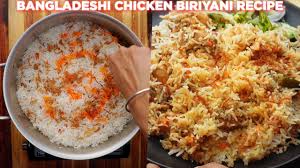
Biryani is a celebration in a pot. It’s a mixed rice dish. Layers of fragrant basmati rice and spiced meat (often chicken or lamb) are cooked together.
The meat is usually par-cooked with spices. Then it’s layered with partially cooked rice. Aromatic spices, fried onions, and sometimes saffron or rose water are added.
The pot is then sealed. It steams gently until everything is cooked through. The result is a perfectly blended, flavorful rice dish.
Quick Scan: Popular Eid Rice Dishes
| Dish Name | Main Ingredient | Flavor Profile |
| Chicken Biryani | Chicken, Basmati Rice | Aromatic, Spiced, Savory |
| Mutton Pulao | Mutton, Basmati Rice | Rich, Fragrant, Mildly Spiced |
| Kacchi Biryani | Raw Mutton (Marinated) | Deeply Spiced, Rich, Complex |
Shami Kebab: A Versatile Starter
These are delicious pan-fried patties. They are typically made with minced meat (beef or lamb). Lentils, herbs, and spices are mixed in.
The mixture is formed into flat, oval shapes. They are then shallow-fried until golden brown and crispy. Shami kebabs are great as appetizers.
They can also be served as a side dish. Their preparation is straightforward. They offer a lovely savory bite.
Chicken Roast: Simple Elegance
While many dishes are complex, a simple roast chicken can be stunning. For Eid, it’s often marinated in yogurt and spices. It might be roasted whole.
Or cut into pieces and baked. Flavors often include ginger, garlic, chili, and turmeric. Some variations add a touch of sweetness from honey or sugar.
It’s a crowd-pleaser and easier to manage for larger gatherings.
Sweet Endings: Traditional Eid Desserts
No Eid feast is complete without sweets. These are often the final act of the meal. They bring a different kind of joy.
These desserts are usually rich and decadent. They offer a comforting sweetness. They are often made with milk and sugar as the base.
Sheer Khurma: The Classic Vermicelli Pudding
This is arguably the most famous Eid dessert. Sheer Khurma means “milk with dates.” It’s a rich pudding made with vermicelli noodles. These noodles are fried until golden.
Then they are simmered in sweetened milk. Cardamom, nuts (like pistachios and almonds), and raisins are added. The star ingredient, dates, are often pureed or chopped into the milk.
It’s a warm, comforting, and sweet way to finish a meal.
Make Your Sheer Khurma Special
Milk: Use whole milk for richness. Evaporated milk can also add creaminess.
Vermicelli: Lightly fry them to a golden brown for better texture and flavor.
Nuts: Almonds, pistachios, and cashews add a lovely crunch. Toast them lightly before adding.
Sweetener: Sugar is standard, but you can use dates for natural sweetness too.
Aromatics: Cardamom is essential. A touch of rose water or kewra water can add a floral note.
Firni: Creamy Rice Pudding
Firni is another popular milk-based dessert. It’s made from ground rice. The rice is cooked with milk until it becomes thick and creamy.
Sugar is added for sweetness. Cardamom is often used for flavoring. It’s usually served chilled.
It’s often garnished with chopped nuts and sometimes a sliver of pistachio for color. The texture is smooth and luxurious.
Gulab Jamun: Sweet Fried Dough Balls
These are soft, fried dough balls. They are made from milk solids or khoya. The dough is shaped into small balls and deep-fried.
Then, they are soaked in a warm, fragrant sugar syrup. The syrup is often flavored with rose water and cardamom. They are incredibly sweet and melt in your mouth.
They are a universal favorite across South Asia.
Contrast: Firni vs. Kheer
Firni: Made from ground rice. Cooked until thick and creamy. Served chilled.
Smooth texture.
Kheer: Made from whole rice grains or vermicelli. Cooked until rice is tender. Can be served warm or cold.
Has a more distinct texture.
Chana Dal Halwa: A Lentil Sweet Treat
This halwa is made from chana dal (split chickpeas). The dal is soaked, ground, and then cooked with ghee, sugar, and milk. It has a rich, slightly grainy texture.
It’s very flavorful and hearty. Nuts are often added. It’s a less common but highly rewarding sweet dish for Eid.
Modern Twists on Traditional Flavors
While tradition is important, many cooks love to experiment. Modernizing Eid special recipes Bangla can be fun. It allows for new tastes and presentations.
These twists often keep the core flavors but change the format or add new elements.
Deconstructed Biryani
Instead of a layered pot, deconstructed biryani presents the elements separately. You might have perfectly cooked rice. Alongside it, tender pieces of marinated, cooked meat.
Garnishes like fried onions, mint, and crispy potatoes are on the side. This allows diners to assemble their own perfect bite. It’s visually appealing and offers a fresh take.
Fusion Kebabs
Imagine a Shami kebab with a hint of Italian herbs. Or a Seekh kebab infused with Thai chili. Fusion kebabs blend traditional spice profiles with international ingredients.
This can create exciting new flavor combinations. For example, a kebab might use a chili-lime marinade instead of the usual. Or a pesto element could be introduced.
Ingredient Swap Ideas
Meat: Try duck or quail in a traditional korma recipe.
Spice: Add a touch of smoked paprika to your beef curry for a different depth.
Grains: Use quinoa or freekeh instead of rice for a healthier biryani base.
Sweetener: Maple syrup or agave can replace sugar in some dessert recipes.
Spiced Fruit Compotes
Instead of heavy sweets, a spiced fruit compote can be a refreshing dessert. Think of apples or pears stewed with cinnamon, cardamom, and a touch of ginger. Served warm, perhaps with a dollop of Greek yogurt or vanilla ice cream.
This offers a lighter, fruit-forward option.
Tips for a Successful Eid Feast
Planning is key to a stress-free Eid feast. Even with the best Eid special recipes Bangla, good preparation makes a difference.
Plan Your Menu
Decide on your dishes in advance. Consider a mix of meat, rice, and vegetable dishes. Don’t forget appetizers and desserts.
Think about how many people you are serving. This helps determine quantities.
Shop Smart
Make a detailed grocery list. Buy non-perishable items early. Fresh ingredients should be bought closer to the day.
Check for quality, especially with meat and spices.
Prep Ahead
Many dishes can be partially or fully prepared the day before. Marinate meats. Chop vegetables.
Make spice pastes. Cook desserts like firni or sheer khurma ahead of time. This saves a lot of work on the actual Eid day.
Timeline Example: One Day Before Eid
Morning: Marinate meats for curries and kebabs. Chop onions, ginger, garlic. Prepare dough for naan if making from scratch.
Afternoon: Cook desserts like Sheer Khurma or Firni. Let them cool and refrigerate.
Evening: Prepare base gravies for curries. Make biryani masala. Prepare kebab mixture and shape them (fry on Eid day).
Delegate Tasks
If you have family or friends helping, assign specific jobs. Someone can handle drinks. Another can set the table.
Someone else can help with simple tasks like garnishing or frying. It makes the workload lighter and more fun.
Presentation Matters
Serve food in attractive dishes. Garnish generously with fresh herbs, fried onions, or nuts. A beautifully presented meal enhances the dining experience.
It shows care and effort.
When is a Recipe “Eid Special”?
The term “Eid special” is more about the occasion than a strict set of rules. However, certain characteristics make a dish feel more festive and suited for Eid:
- Richness: Dishes often use more luxurious ingredients like tender cuts of meat, ghee, cream, or nuts.
- Complexity: Some recipes, like Kacchi Biryani or Kala Bhuna, are time-consuming and complex. They are often reserved for special occasions.
- Traditional Significance: Certain dishes are strongly associated with Eid due to custom and memory. Sheer Khurma is a prime example.
- Communal Eating: Recipes meant for sharing in large quantities are ideal for Eid gatherings.
- Aromatic Spices: The liberal use of fragrant spices like cardamom, cloves, cinnamon, and saffron elevates a dish.
It’s also about personal and family tradition. What one family considers an Eid special recipe might differ for another. The most important aspect is that the food brings joy and comfort to those celebrating.
Real-World Context: Preparing for a Crowd
Hosting for Eid often means cooking for many people. This can be challenging. In many Bangladeshi and Bengali households, Eid is a time for open doors.
Relatives, friends, and neighbors visit. So, the food needs to cater to a crowd. This influences recipe choices and preparation methods.
Dishes that can be made in large batches are preferred. Biryani, for instance, is perfect for this. A large pot can feed dozens.
Slow-cooked curries like Kala Bhuna are also practical. They can simmer away and develop flavor. Sweets like Sheer Khurma or Firni are made in huge quantities.
They are easy to serve and manage.
The spices used are very typical of the region. They are chosen to complement each other. The heat level is usually moderate, so everyone can enjoy it.
The emphasis is on creating a warm, welcoming atmosphere. The food is a huge part of that. It’s about abundance and hospitality.
What This Means for Your Eid Celebration
Understanding these Eid special recipes Bangla helps you plan your own feast. You can choose dishes that fit your skill level and available time.
- For beginners: Start with simpler dishes like Chicken Roast or Firni. You can also try simpler versions of Biryani.
- For the adventurous: Try your hand at Kala Bhuna or Kacchi Biryani. These require more effort but offer great rewards.
- For sweet lovers: Focus on mastering Sheer Khurma or Gulab Jamun.
It’s also about the spirit of cooking. Eid is a time of joy and sharing. The food is a vehicle for that.
Don’t be afraid to experiment. But also, cherish the traditional recipes. They connect you to your heritage.
Quick Fixes & Tips for Last-Minute Needs
Sometimes, despite the best planning, you might need a quick fix. Or a way to enhance dishes that aren’t quite there.
- For bland curries: A little extra garam masala or a squeeze of lemon can brighten flavors.
- For tough meat: If a curry is still tough, you can try cooking it longer on very low heat. Adding a touch of yogurt or papaya paste during marination can help tenderize.
- For desserts that are too thin: Simmer gently uncovered to reduce liquid. For too thick, add a little warm milk.
- Quick garnish: Fresh cilantro, mint, or fried onions always make a dish look better.
- Store-bought shortcuts: Good quality ginger-garlic paste or readymade biryani masala can save time.
Frequently Asked Questions about Eid Recipes
What is the most traditional Eid special recipe in Bangla cuisine?
While traditions vary, Sheer Khurma is widely considered a quintessential Eid dessert. For savory dishes, slow-cooked beef preparations like Kala Bhuna and various types of Biryani are very traditional and popular for Eid feasts.
Can I make these Eid recipes ahead of time?
Yes, many dishes can be prepared in advance. Desserts like Firni and Sheer Khurma are best made a day ahead. Meats for curries can be marinated overnight.
Some curries themselves can be cooked a day ahead and reheated, as flavors often deepen.
What are some good vegetarian Eid special recipes?
While meat dishes are central, vegetarian options are popular too. Vegetable Pulao, mixed vegetable curries, Ghonto (a mixed vegetable dish), and various lentil preparations (Dal) are common. Sweet dishes like Chana Dal Halwa or Firni can also be enjoyed by vegetarians.
How can I make my biryani more authentic?
Authenticity comes from layering flavors. Use high-quality basmati rice. Marinate your meat well with yogurt and spices.
Cook on dum (slow steam) to allow flavors to meld. Don’t forget aromatics like saffron, rose water, or kewra water. Fried onions (birista) are also crucial.
What kind of meat is best for Eid curries?
For richness and flavor, lamb or mutton is highly prized for Eid. Beef is also very popular, especially for dishes like Kala Bhuna. Chicken is a more common and quicker option.
The cut of meat also matters – tougher cuts often benefit from slow cooking.
How do I balance sweet and savory dishes for an Eid meal?
Aim for a variety. If you have very rich, heavy main courses, opt for lighter, refreshing desserts or a fruit salad. If your mains are milder, you can go for richer sweets.
Offering both a pudding-style dessert (like Firni) and a fried sweet (like Gulab Jamun) provides contrast.
Conclusion
Exploring Eid special recipes Bangla is a culinary adventure. It connects us to heritage and family. Whether you choose a classic like Kala Bhuna or a sweet Sheer Khurma, the goal is joy.
These recipes are more than just food. They are made with love and shared with happiness. May your Eid feast be delicious and memorable.