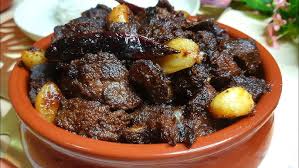
Beef Kala Bhuna is a rich, slow-cooked beef curry from Bangladesh. Its defining features are the dark, almost black color and intensely deep, spicy, and savory flavor. It’s known for its tender meat, achieved through a long marination and cooking process.
The dish is often prepared for special occasions and celebrations.
What Exactly is Beef Kala Bhuna?
At its heart, beef kala bhuna means “black beef” in Bengali. The name comes from its signature dark hue. This isn’t accidental.
It’s the result of slow cooking with specific spices and aromatics. The goal is to get the meat incredibly tender and infuse it with a complex flavor profile. It’s a dish that demands a bit of patience, but the payoff is immense.
Think of it as a culinary adventure. It’s not just about following steps; it’s about understanding why those steps matter. The right cuts of beef, the precise blend of spices, and the patient cooking process all work together.
They transform simple ingredients into something truly special. This dish is a testament to slow cooking done right. It’s a celebration of deep flavors.
A Little Bit of History and Tradition
Beef Kala Bhuna has roots in Chittagong, a vibrant port city in Bangladesh. It’s a dish often associated with gatherings and festivities. Traditionally, it might have been cooked over a low fire for many hours.
This method helped tenderize tougher cuts of meat. It also allowed the flavors to meld beautifully. Families have their own variations.
Each adds a personal touch to this beloved recipe. It’s a dish that carries stories and memories.
The ingredients are key. Many traditional recipes call for mustard oil. This oil has a distinct pungent flavor that really works well.
Spices like cumin, coriander, ginger, and garlic are also vital. But it’s the specific combination and often the roasting of some spices that create that deep color and taste. It’s a dish that’s deeply woven into the fabric of Bengali cuisine.
It’s more than just food; it’s culture on a plate.
My Own Kala Bhuna Journey
I remember the first time I tried making authentic beef kala bhuna. I was hosting a small get-together. I’d had it at a restaurant and was determined to replicate it.
I followed a recipe, but the result was… okay. The meat was a little dry. The color was more brown than the deep, rich black I remembered.
I felt a pang of disappointment. Was I just not cut out for this kind of cooking? I’d spent hours prepping, and it still wasn’t quite right.
Then, I spoke to a friend whose family is from Chittagong. She shared her grandmother’s secrets. The biggest revelations?
Marinating the meat overnight with yogurt and papaya paste. This tenderizes it like magic! She also explained the importance of caramelizing the onions very slowly.
This is what gives the dish its dark color naturally. She told me to trust the process. Slow and steady wins the race, she said with a smile.
That advice changed everything for me. It was a turning point in my cooking.
Ingredients You’ll Need
To make a truly delicious Beef Kala Bhuna, gather these ingredients. Quality matters here. Fresh is always best.
-
Beef: About 2 pounds. Choose a cut good for slow cooking. Chuck roast, beef shank, or brisket work well.
Cut it into medium-sized pieces. About 1.5-inch cubes are good.
-
Onions: 3-4 large ones. You’ll need to slice them thinly. This is crucial for the dark color.
-
Ginger Paste: 2 tablespoons. Freshly made paste has the best flavor.
-
Garlic Paste: 2 tablespoons. Similar to ginger, fresh is key.
-
Green Chilies: 4-6. Adjust to your spice level. You can leave them whole or slit them.
-
Tomatoes: 2 medium. Finely chopped. These add a little tang.
-
Yogurt: 1/2 cup plain. Full-fat yogurt works best for richness.
-
Papaya Paste: 1 tablespoon. This is a secret tenderizer! Use raw green papaya if you can.
If not, store-bought paste is fine.
-
Mustard Oil: 1/2 cup. This oil is traditional and adds a unique flavor. If you can’t find it, a neutral oil like canola can work, but the taste will differ.
-
Whole Spices:
- Cinnamon sticks: 2-3 inches
- Cardamom pods: 4-5
- Cloves: 4-5
- Bay leaves: 2
-
Ground Spices:
- Cumin powder: 2 tablespoons
- Coriander powder: 2 tablespoons
- Turmeric powder: 1 teaspoon
- Red chili powder: 1-2 teaspoons (adjust for heat)
- Garam masala powder: 1 teaspoon
-
Salt: To taste.
-
Water: As needed for cooking.
Essential Spice Secrets for Kala Bhuna
The spices are the soul of Beef Kala Bhuna. For that signature deep flavor and color, focus on these:
Ground Cumin & Coriander: These form the backbone of the spice mix. Use generous amounts.
Red Chili Powder: Adds the heat. Kashmiri chili powder gives a nice red color without too much spice.
Garam Masala: Added towards the end for its warm, aromatic notes.
Whole Spices: Cardamom, cloves, cinnamon, and bay leaves infuse the oil and meat as they cook.
Roasting Tip: Some cooks lightly roast the cumin and coriander seeds before grinding. This enhances their nutty flavor. Try it for an extra depth!
Step-by-Step Cooking Guide
Let’s get cooking! This recipe requires a few stages, but each is manageable.
Step 1: Marinate the Beef
This is where the magic starts. In a large bowl, combine the beef pieces with yogurt, papaya paste, ginger paste, garlic paste, salt, turmeric powder, and red chili powder. Mix everything well.
Make sure each piece of beef is coated evenly. Cover the bowl and refrigerate it. You want to marinate it for at least 4 hours.
Overnight is even better. This long marination breaks down the meat fibers. It makes the beef incredibly tender.
Marinade Marvels
Yogurt: The lactic acid in yogurt helps tenderize the meat. It also adds a slight tang and moisture.
Papaya Paste: This is a natural meat tenderizer. It contains enzymes that break down proteins. Use it sparingly; too much can make the meat mushy.
Spices: Marinating with spices allows them to penetrate the meat. This builds flavor from the inside out.
Step 2: Caramelize the Onions
This step is critical for the dark color. Heat the mustard oil in a heavy-bottomed pot or Dutch oven over medium-low heat. Add the thinly sliced onions.
Now, be patient! You need to cook the onions very slowly. Stir them often.
They should gradually turn from white to golden brown, then to a deep, rich brown. This can take 20-30 minutes or even longer. Do not rush this.
If they burn, they will taste bitter. You want them deeply caramelized, almost like dark caramel. Remove about half of these caramelized onions from the pot and set them aside.
They will be ground later.
Caramelizing Onions: The Key to Color
Low Heat is Your Friend: Rushing this process with high heat will burn the sugars before they caramelize properly.
Constant Stirring: This ensures even cooking and prevents burning on the bottom.
Watch Closely: The color change happens fast at the end. Be ready to remove them.
Set Aside Half: These add a wonderful sweetness and dark hue to the final sauce.
Step 3: Sauté Aromatics and Whole Spices
In the same pot with the remaining caramelized onions and oil, add the whole spices: cinnamon sticks, cardamom pods, cloves, and bay leaves. Let them sizzle for about 30 seconds until they become fragrant. Then, add the ginger paste and garlic paste.
Sauté for another minute until their raw smell disappears. Be careful not to burn them.
Step 4: Add the Beef and Ground Spices
Add the marinated beef pieces to the pot. Increase the heat slightly to medium-high. Sear the beef for about 5-7 minutes, stirring occasionally.
You want to brown the outside of the meat. This locks in the juices. Now, add the ground cumin, coriander powder, and remaining red chili powder.
Stir well to coat the beef. Cook for another 2-3 minutes, allowing the spices to toast slightly.
Step 5: Add Tomatoes and Cook
Stir in the chopped tomatoes and green chilies. Cook for about 5 minutes until the tomatoes start to soften. You can add a splash of water if the pot seems too dry.
This is where the sauce begins to form. The tomatoes will break down and mingle with the spices and beef.
Step 6: Slow Cooking
Pour in enough water to almost cover the beef. Stir everything together. Bring the mixture to a boil.
Once boiling, reduce the heat to very low. Cover the pot tightly. Let it simmer gently for at least 2 to 3 hours.
The cooking time depends on the cut of beef. You want the beef to become fork-tender. Check it periodically.
Stir to prevent sticking. If it gets too dry, add a little more hot water.
The Art of Slow Simmering
Low and Slow: This is the golden rule. Gentle heat breaks down tough connective tissues without drying out the meat.
Tight Lid: Traps steam, which helps keep the meat moist and tender.
Periodic Checks: Ensure there’s enough liquid. Stirring prevents burning.
Tenderness Test: The beef should easily shred with a fork when done.
Step 7: Grinding the Reserved Onions
While the beef is slow-cooking, take the reserved caramelized onions. Place them in a blender or food processor. Add a tablespoon or two of water if needed.
Grind them into a smooth paste. This paste is key to the deep, dark, almost black color of Kala Bhuna.
Step 8: Finishing the Kala Bhuna
Once the beef is tender, uncover the pot. Add the ground caramelized onion paste to the pot. Stir it in well.
You will notice the color of the curry changing dramatically. It will start to deepen. Now, continue to cook uncovered on low heat for another 30-45 minutes.
Stir frequently. You want the sauce to thicken and the oil to separate slightly. This process concentrates the flavors and darkens the curry further.
Add the garam masala powder in the last 10 minutes of cooking. Taste and adjust salt if needed.
Final Flavor Boosts
Onion Paste: Adds a final layer of dark color and a subtly sweet, roasted onion flavor.
Thickening: Cooking uncovered allows excess moisture to evaporate. This concentrates the curry’s taste.
Oil Separation: A sign that the sauce has reduced nicely and the flavors are well-developed.
Garam Masala: This spice blend should be added near the end. It retains its aromatic potency.
Serving Your Beef Kala Bhuna
Beef Kala Bhuna is best served hot. It pairs wonderfully with plain white rice, pulao, or paratha. The rich, spicy gravy coats the rice beautifully.
You can also serve it with naan. A simple side of fresh salad or pickled onions complements the richness.
Don’t be surprised if the flavors deepen even more the next day. Kala Bhuna is one of those dishes that improves with time. It’s perfect for meal prep.
You can make it ahead of a special occasion. This allows the flavors to meld and mature.
Tips for Success
Here are some extra tips to help you nail your Beef Kala Bhuna:
-
Beef Cut Matters: Always use cuts that benefit from slow cooking. They have enough fat and connective tissue to become tender and flavorful.
-
Don’t Skimp on Marination: The longer you marinate, the more tender and flavorful your beef will be.
-
Patience with Onions: This is arguably the most important step for color and flavor. Take your time.
-
Mustard Oil: If you can find it, use it. It adds an authentic touch. Be aware it has a stronger flavor than other oils.
-
Adjust Spices: This recipe provides a baseline. Feel free to adjust chili powder and green chilies to your personal heat preference.
-
Low Heat is Key: For slow cooking, a very gentle simmer is ideal. Avoid boiling rapidly.
-
Resting Time: If possible, let the Kala Bhuna rest for 30 minutes before serving. This allows the flavors to settle.
Common Pitfalls and How to Avoid Them
Tough Meat: Usually caused by not marinating long enough, using the wrong cut, or cooking on too high heat.
Pale Color: This means the onions weren’t caramelized deeply enough, or the ground onion paste wasn’t added.
Bitter Taste: Can happen if onions burn during caramelization, or if spices are over-toasted.
Watery Sauce: Ensure you cook uncovered at the end to let excess liquid evaporate.
Real-World Contexts for Kala Bhuna
Imagine a chilly evening in winter. Your family is gathered. The aroma of spices slowly wafts from the kitchen.
That’s the perfect setting for Beef Kala Bhuna. It’s a dish that warms you from the inside out. It’s also a star at Eid celebrations, weddings, and important family get-togethers.
It represents abundance and hospitality.
In Bangladeshi restaurants, you’ll often see it prepared in large woks. The chefs have perfected the timing and heat control. At home, a good Dutch oven or a heavy-bottomed pot works wonders.
The key is consistent, gentle heat. The environment you cook in matters, but more importantly, the care you put into each step.
What This Means for You
Making Beef Kala Bhuna is a rewarding experience. It teaches you about patience in cooking. It highlights how simple ingredients can transform with time and technique.
It means you can bring a taste of authentic Bengali cuisine to your own table. You don’t need to be a professional chef. You just need to follow the steps with care.
When it’s normal, the meat is falling-apart tender. The gravy is thick, dark, and deeply flavorful. When should you worry?
If your meat is still tough after hours of cooking. If the color is light brown instead of deep black. These are signs that something might have gone awry.
But most issues are fixable with the tips above.
Frequently Asked Questions
What kind of beef is best for Kala Bhuna?
Cuts with good fat and connective tissue work best. Think chuck roast, beef shank, or brisket. These become tender and moist with slow cooking.
Can I use a pressure cooker for Beef Kala Bhuna?
Yes, a pressure cooker can significantly speed up the cooking time for the beef. However, you’ll need to adjust the cooking time carefully. You’ll also still need to do the slow simmering and thickening process at the end to develop the dark color and flavor.
How can I make the beef more tender if it’s still tough?
If your beef is still tough after the initial cooking, add more liquid (water or broth) and continue to simmer on very low heat. You can also try adding a little more papaya paste, but be cautious not to overdo it.
Why is my Kala Bhuna not dark enough?
The dark color comes from deeply caramelized onions and the ground paste of those onions. Ensure your onions are cooked to a very dark brown, almost black, without burning. Also, make sure you add the ground paste towards the end of cooking.
What is the role of mustard oil in Kala Bhuna?
Mustard oil has a distinct pungent flavor that is traditional and essential to authentic Kala Bhuna. It also has a high smoke point, making it good for caramelizing onions. If unavailable, use a neutral oil, but be aware the flavor profile will change.
How long does it take to cook Beef Kala Bhuna from start to finish?
The total time can range from 4 to 6 hours, including marination. The active cooking time is about 3-4 hours, with most of that being slow simmering. This is a dish that rewards patience.
Final Thoughts
Mastering Beef Kala Bhuna is a journey. It’s about embracing slow cooking and appreciating the power of spices. The result is a deeply satisfying dish.
It’s perfect for special meals or when you crave something truly comforting and flavorful. Enjoy the process, and savor every bite!