This article breaks down easy Bangla recipes for beginners, focusing on accessible ingredients and straightforward techniques. You’ll learn fundamental cooking methods and discover how to create authentic Bengali flavors with minimal fuss, perfect for starting your culinary journey.
The Joy of Bengali Cooking
Bengali cuisine is a vibrant tapestry of flavors. It’s known for its love of fish, rice, lentils, and a delicate use of spices. What makes it special is its balance.
Dishes are often subtle yet deeply flavorful. They don’t rely on heavy spices to hide ingredients. Instead, they use them to enhance the natural tastes of things like fresh fish or vegetables.
For beginners, this focus on fresh ingredients and balanced flavors is a big plus. You don’t need a pantry full of exotic spices to start. Many classic Bengali dishes use a few key spices like turmeric, cumin, and mustard seeds.
These are readily available in most grocery stores.
Thinking about starting your cooking journey with Bangla recipes for beginners is a wonderful idea. It’s a chance to explore new tastes. It’s also a way to connect with a rich cultural heritage.
We’ll cover some basics that will make you feel confident in no time. You’ll learn to create dishes that bring smiles to your table. Get ready to impress yourself and your loved ones with your new skills!
Getting Started: Your Bengali Kitchen Toolkit
Before we dive into actual recipes, let’s set up your kitchen. Having the right tools makes a big difference. For Bengali cooking, you don’t need a lot of fancy gadgets.
Most kitchens already have what’s needed. Think of this as your starter kit for making Bangla recipes for beginners.
The most important things are good pots and pans. A good heavy-bottomed pot is great for simmering lentils or curries. A non-stick frying pan is useful for making fritters or shallow-frying fish.
You’ll also need basic utensils. A sharp knife for chopping vegetables is essential. A cutting board, measuring cups and spoons, a whisk, and a few spatulas or ladles will be your best friends.
A mortar and pestle can be helpful for grinding spices, but you can also buy pre-ground spices to start.
Don’t forget storage containers. You’ll want these for keeping prepped ingredients ready or storing leftovers. Cleanliness is key in any kitchen, so having good cleaning supplies is also important.
This setup is simple but effective for tackling many Bangla dishes.
Essential Bengali Spices for Beginners
Start with these common spices. They form the base of many flavors.
- Turmeric Powder (Holud Guro): Gives color and a mild earthy flavor.
- Cumin Seeds (Jeera): Used whole or ground for a warm, nutty taste.
- Mustard Seeds (Shorisha): Small seeds that add a pungent kick. Black or yellow work.
- Coriander Powder (Dhone Guro): Adds a citrusy, earthy note.
- Red Chili Powder (Lanka Guro): For heat. Use mild or hot as you like.
- Garam Masala: A blend of warming spices. Often added at the end.
Having these spices on hand means you’re ready for many basic recipes. You can buy them in small quantities to try them out. This way, you won’t have too many half-used jars.
Freshness matters, so try to buy spices that smell strong and vibrant.
Other pantry staples will include cooking oil, salt, sugar, and maybe some ginger and garlic. Fresh ginger and garlic are fantastic. You can also find them in paste form, which is very convenient for beginners.
These simple items are the building blocks of delicious Bengali food.
My First Bengali Cooking Mishap
I remember my very first attempt at making a simple Bengali lentil dish. It was for a small dinner party, and I wanted to impress. I had found a recipe that looked easy enough for Bangla recipes for beginners.
It called for tempering spices in hot oil, a technique called ‘phoron’.
I had all the ingredients laid out: the lentils were rinsed, the spices measured. I heated the oil in the pot, and when it seemed hot enough, I tossed in the cumin seeds. Instead of a gentle sizzle and a lovely aroma, the seeds exploded!
They flew out of the pan, some even hitting the ceiling. Smoke started to fill my kitchen, and I panicked.
I quickly threw in the rest of the ingredients, hoping to salvage the situation. The result was a lentil dish that tasted burnt. The spices were bitter, and the whole thing was a disaster.
I felt so embarrassed and defeated. It taught me that even simple steps need care and attention. It was a messy, smoky lesson, but a valuable one.
That experience showed me that understanding heat and timing is crucial. It’s not just about following steps. It’s about observing what’s happening in the pot.
Now, when I temper spices, I watch them carefully. I listen to the sizzle. I know that a gentle crackle means things are going well.
This early struggle highlights why clear, simple instructions are so important for anyone learning new Bangla recipes for beginners.
A Simple Dal Tadka (Lentil Curry)
Dal is a staple in Bengali households. It’s healthy, filling, and incredibly versatile. This easy Dal Tadka is perfect for beginners.
It’s a comforting dish that tastes great with rice or roti.
Ingredients:
- 1 cup red lentils (masoor dal)
- 3 cups water
- 1/2 teaspoon turmeric powder
- Salt to taste
- 2 tablespoons cooking oil
- 1 teaspoon cumin seeds
- 1-2 dried red chilies (optional)
- 1 clove garlic, thinly sliced
- A pinch of asafoetida (hing) – optional, but adds a special flavor
Instructions:
- Rinse the lentils thoroughly under cold water.
- In a pot, combine the rinsed lentils, water, turmeric powder, and a pinch of salt.
- Bring to a boil, then reduce heat and simmer for 15-20 minutes, or until the lentils are very soft and mushy. Stir occasionally to prevent sticking.
- Once cooked, mash the lentils slightly with the back of your spoon. Add more water if it’s too thick. Adjust salt.
- Now for the ‘tadka’ or tempering. In a small pan, heat the oil over medium heat.
- Once the oil is hot, add cumin seeds. Let them splutter.
- Add dried red chilies (if using), sliced garlic, and asafoetida. Sauté for about 30 seconds until the garlic is fragrant and lightly golden. Be careful not to burn the garlic.
- Immediately pour this hot tempering mixture over the cooked dal.
- Cover the pot for a minute to let the flavors meld.
- Serve hot with rice or roti.
This recipe is a fantastic starting point for Bangla recipes for beginners. The ‘tadka’ adds a burst of flavor and aroma that transforms simple lentils into something special. It’s a technique you’ll see in many Indian and Bengali dishes.
Practice this one, and you’ll be well on your way!
Dal Tadka Quick Tips
- Lentil Prep: Always rinse your dal. It removes dust and any impurities.
- Cooking Time: Red lentils cook very fast. Keep an eye on them.
- Tempering Heat: Medium heat is best for the tadka. Too high, and spices burn quickly.
- Garlic Watch: Garlic turns bitter if burnt. Cook it just until golden and fragrant.
- Flavor Boost: A squeeze of lemon juice or fresh cilantro at the end is lovely.
Aloo Posto: Potatoes with Poppy Seeds
Aloo Posto is a beloved Bengali vegetarian dish. It’s simple, elegant, and deeply comforting. The main ingredients are potatoes and poppy seeds.
This dish is a great example of how Bengali cuisine uses few ingredients to create wonderful flavors. It’s definitely one of the most approachable Bangla recipes for beginners.
Ingredients:
- 2 large potatoes, peeled and diced into 1-inch cubes
- 2-3 tablespoons poppy seed paste (see note below)
- 1-2 green chilies, slit lengthwise
- 1 teaspoon nigella seeds (kalonji)
- 2 tablespoons mustard oil (or other cooking oil)
- Salt to taste
- 1/2 cup water
Note on Poppy Seed Paste: To make poppy seed paste, soak 2-3 tablespoons of poppy seeds in warm water for about 30 minutes. Then, grind them into a fine paste using a mortar and pestle or a small blender. Add a little water as needed to help grind.
Be patient; a smooth paste is key.
Instructions:
- Heat the mustard oil in a pan over medium heat.
- Add the nigella seeds and green chilies. Let the seeds splutter for a few seconds.
- Add the diced potatoes to the pan. Sauté them for 2-3 minutes.
- Add salt and the poppy seed paste. Stir well to coat the potatoes.
- Pour in the water.
- Cover the pan and let it cook on low to medium heat for about 15-20 minutes. Stir occasionally.
- The potatoes should be tender, and the gravy should thicken slightly. The poppy seed paste will give it a creamy texture.
- Serve hot with rice.
Aloo Posto Insights
- Poppy Seed Paste: Grinding poppy seeds can be tricky. Soaking them first helps. A very fine paste gives the best texture. If you can’t make paste, sometimes pre-made is available, but fresh is best.
- Mustard Oil: Mustard oil adds a distinct Bengali flavor. If you don’t have it, another neutral oil works, but the taste will be slightly different.
- Heat Level: Adjust the number of green chilies to your liking. Slitting them helps release flavor without too much heat.
Aloo Posto is a wonderful example of the subtle beauty in Bengali cooking. It shows that you don’t need a lot of complex steps to make something truly delicious. This dish relies on the natural flavors of the ingredients themselves.
It’s a perfect dish to build confidence with. Many families eat this regularly, showing its universal appeal for both simplicity and taste. It’s a cornerstone of easy Bangla recipes for beginners.
Begun Bhaja: Simple Fried Eggplant
Begun Bhaja is a popular Bengali side dish. It’s simply slices of eggplant fried until tender and golden. It sounds basic, but the way it’s seasoned and fried makes it special.
This dish is a crowd-pleaser and incredibly easy to make, making it ideal for Bangla recipes for beginners.
Ingredients:
- 1 large eggplant, sliced into 1/2-inch thick rounds
- 1 teaspoon turmeric powder
- 1 teaspoon red chili powder
- 1 teaspoon salt
- 2-3 tablespoons all-purpose flour (maida) or rice flour (for crispiness)
- 4-5 tablespoons cooking oil (mustard oil is traditional)
Instructions:
- Wash the eggplant slices. Pat them dry with a paper towel.
- In a shallow dish, mix together turmeric powder, red chili powder, and salt.
- Sprinkle this spice mix evenly over both sides of the eggplant slices. Let them sit for about 10 minutes.
- On a plate, spread the flour. Lightly coat each eggplant slice with flour on both sides. Shake off any excess.
- Heat the oil in a frying pan over medium-high heat.
- Carefully place the floured eggplant slices into the hot oil. Do not overcrowd the pan; fry in batches if necessary.
- Fry each slice for about 3-4 minutes per side, until they are golden brown and tender.
- Remove the fried eggplant slices with a slotted spoon and place them on a plate lined with paper towels to drain excess oil.
- Serve hot as a side dish with rice and dal.
Begun Bhaja Tips
- Eggplant Choice: Choose firm eggplants without bruises.
- Salting: Salting helps draw out moisture, making the eggplant less oily when fried.
- Flour Coating: Rice flour makes them crispier. All-purpose flour works well too.
- Oil Temperature: Ensure the oil is hot enough before adding the eggplant. This helps them cook evenly and not absorb too much oil.
Begun Bhaja is a testament to the power of simple ingredients and proper technique. It’s a dish that can be prepared in under 30 minutes. It adds a wonderful texture and flavor to any meal.
For anyone looking for easy Bangla recipes for beginners, this is a must-try. It’s a dish that proves simple fried food can be incredibly satisfying and flavorful.
Shorshe Ilish (Hilsa Fish in Mustard Gravy) – A Simplified Approach
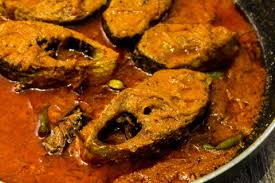
Shorshe Ilish is perhaps one of the most iconic Bengali dishes. It features the Hilsa fish, which is revered in Bengali culture. The fish is cooked in a pungent mustard gravy.
While the authentic version can be complex, we can simplify it for beginners. This version focuses on the core flavors without demanding advanced techniques.
Important Note: Authentic Shorshe Ilish uses fresh Hilsa fish. This fish has a distinct taste and aroma. If you cannot find Hilsa, you can try this with other firm white fish like pomfret or sea bass, though the flavor will differ.
Ingredients:
- 4-5 pieces of firm white fish (like Hilsa, pomfret, or sea bass)
- 2 tablespoons mustard paste (grind mustard seeds with a little water and salt)
- 1 teaspoon turmeric powder
- 1 teaspoon red chili powder
- 1/2 teaspoon cumin seeds
- 2-3 green chilies, slit
- 2 tablespoons mustard oil
- Salt to taste
- 1/4 cup water
Instructions:
- Marinate the fish pieces with 1/2 teaspoon turmeric powder, 1/2 teaspoon red chili powder, and salt. Let them sit for 15 minutes.
- In a separate bowl, mix the mustard paste, remaining turmeric powder, remaining red chili powder, and salt. Add a little water to make a smooth, thick gravy.
- Heat the mustard oil in a pan over medium heat.
- Add the cumin seeds and let them splutter.
- Carefully arrange the marinated fish pieces in the pan.
- Pour the mustard paste mixture over the fish.
- Add the slit green chilies and the 1/4 cup water.
- Cover the pan and cook on low heat for about 10-12 minutes, or until the fish is cooked through. Do not stir vigorously, as this can break the fish. Gently shake the pan to distribute the gravy.
- Serve hot with plain steamed rice.
Shorshe Ilish Simplified
- Mustard Paste: Grinding fresh mustard seeds gives the best flavor. Soak them for 15-20 minutes before grinding. You can also use ready-made mustard paste, but it might be milder.
- Fish Handling: Hilsa fish is delicate. Handle it gently to avoid breaking. If using other fish, they might be more forgiving.
- Cooking Method: This simplified method uses a pan. Traditionally, it might be cooked in a banana leaf parcel for a steamed effect.
- Pungency: Mustard can be quite pungent. Adjust the amount based on your preference.
This simplified Shorshe Ilish allows beginners to taste the iconic flavor profile without the intimidation. The key is the mustard and chili combination, along with the distinct flavor of mustard oil. While it might not be the most authentic rendition, it’s a wonderful introduction.
It provides a glimpse into why this dish is so cherished. It’s a great step up for those mastering other Bangla recipes for beginners.
Cooking with Mustard Oil: A Beginner’s Guide
Mustard oil is a cornerstone of Bengali cuisine. It’s not just a cooking medium; it imparts a unique flavor and aroma that is hard to replicate. For beginners, using mustard oil can be a new experience, and it’s important to use it correctly to get the best results and avoid its sharp bite.
The first thing to know is that raw mustard oil has a pungent, strong flavor. To mellow this out and bring out its best qualities, it needs to be “smoked.” This means heating it until it reaches a point where you see a faint wisp of smoke. Don’t let it smoke heavily or burn; just heat it until it shimmers and a little smoke appears, then let it cool slightly before using.
This process is called “smoking the oil” and is crucial for most Bengali recipes. It transforms the sharp flavor into something more balanced and aromatic. When you see recipes calling for mustard oil, especially Bangla recipes for beginners, they often assume you’ll do this first step.
Mustard Oil: What Beginners Need to Know
- Smoking: Always heat mustard oil until it lightly smokes. This reduces pungency.
- Cooling: Let the heated oil cool down a bit before adding other ingredients, especially delicate spices.
- Flavor: It has a distinct peppery, pungent taste. It pairs well with spices like cumin, nigella seeds, and panch phoron.
- Alternatives: If you really dislike the flavor or can’t find it, you can substitute with a neutral oil like canola or vegetable oil, but you will miss out on that authentic Bengali taste.
- Health: Mustard oil is rich in monounsaturated fats and has anti-inflammatory properties when used in moderation.
When you’re starting out with Bangla recipes for beginners, you might find the flavor of mustard oil a bit strong at first. However, as you cook more Bengali dishes, you’ll start to appreciate its unique contribution. It’s what gives many traditional dishes their signature taste.
Don’t be afraid to experiment, and remember to always smoke it first!
Alur Dom (Spicy Potato Curry) – A Mild Version
Alur Dom is a popular Bengali potato curry. It can range from mildly spiced to quite fiery. This version is designed to be beginner-friendly, offering a taste of the dish without overwhelming heat.
It’s a great way to explore more complex flavors in Bengali cooking.
Ingredients:
- 1 pound small potatoes (baby potatoes), peeled
- 2 tablespoons mustard oil
- 1 teaspoon cumin seeds
- 1/2 teaspoon turmeric powder
- 1 teaspoon coriander powder
- 1/2 teaspoon red chili powder (adjust to taste)
- 1/4 teaspoon garam masala
- 1 medium onion, finely chopped
- 1 tablespoon ginger-garlic paste
- 1/2 cup tomato puree (from fresh tomatoes or canned)
- Salt to taste
- 1 cup water
- Fresh cilantro, chopped, for garnish
Instructions:
- Boil the baby potatoes until they are almost tender. Drain and set aside. You can prick them with a fork so they absorb the flavors better.
- Heat the mustard oil in a pot or deep pan over medium heat.
- Add the cumin seeds and let them splutter.
- Add the chopped onion and sauté until golden brown.
- Add the ginger-garlic paste and sauté for another minute until the raw smell disappears.
- Add the turmeric powder, coriander powder, red chili powder, and salt. Stir well and cook for about 30 seconds.
- Add the tomato puree and cook for 2-3 minutes until the oil starts to separate from the mixture.
- Add the boiled potatoes and mix well to coat them with the spice masala.
- Pour in the water, bring to a simmer, then cover and cook for about 10-15 minutes, or until the potatoes are fully cooked and the gravy has thickened.
- Stir in the garam masala just before turning off the heat.
- Garnish with fresh cilantro.
- Serve hot with rice or roti.
Beginner Alur Dom Tips
- Potato Prep: If you can’t find baby potatoes, use regular potatoes cut into bite-sized pieces. Ensure they are cooked but not mushy.
- Spice Balance: This recipe aims for mild. If you like it spicier, increase the red chili powder.
- Consistency: Adjust the water to achieve your desired gravy consistency.
- Flavor Depth: For an even richer flavor, you can add a pinch of sugar to balance the spices and tomatoes.
Alur Dom, even in its milder form, offers a delightful journey into Bengali spice blends. This version of Bangla recipes for beginners focuses on building flavor layers step-by-step. The combination of spices with potatoes and tomatoes creates a hearty and satisfying dish.
It’s proof that even simple ingredients can be transformed into something extraordinary with the right approach.
Understanding Basic Bengali Flavors
Bengali cuisine is characterized by a few key flavor profiles. Understanding these can help you adapt recipes and appreciate the cuisine more. Even when tackling Bangla recipes for beginners, knowing these basics gives you confidence.
1. The “Panch Phoron” Blend: This is a five-spice mix. It typically includes fenugreek seeds, nigella seeds, cumin seeds, black mustard seeds, and fennel seeds.
It’s often used in tempering, especially in vegetarian dishes and pickles. The aroma is distinctive and slightly sweet, nutty, and pungent.
2. Mustard’s Pungency: As we’ve seen, mustard oil and ground mustard seeds are fundamental. They provide a sharp, spicy kick that defines many Bengali dishes.
Getting the balance right is key. Too much can be overpowering, but used correctly, it’s electrifying.
3. Sweetness and Sourness: Bengali food often has a subtle sweetness. This can come from sugar, jaggery, or even fruits like dates.
There’s also a delightful sourness, often from tamarind or tomatoes. This balance between sweet, sour, and spicy is a hallmark.
4. Fish and Rice Dominance: Given Bengal’s geography, fish and rice are central. The way fish is prepared varies wildly, from light curries to fried preparations.
Rice is the staple carbohydrate, served with almost every meal.
5. Freshness of Ingredients: There’s a strong emphasis on fresh, seasonal ingredients. Vegetables are celebrated, and the cooking methods aim to preserve their natural flavors and textures.
Quick Flavor Guide
- Tempering (Phoron): Adding whole spices to hot oil at the beginning of cooking.
- Spice Blends: Turmeric, cumin, coriander, and chili form a common base.
- Aromatics: Ginger and garlic are used widely.
- Finishing Touches: Fresh herbs like cilantro or a squeeze of lime can brighten dishes.
By familiarizing yourself with these flavor profiles, you can better understand why certain ingredients are used together. This knowledge will make following Bangla recipes for beginners much more intuitive. You’ll start to recognize the “Bengali taste” and appreciate the culinary artistry involved.
The Role of Rice in Bengali Meals
Rice is more than just a side dish in Bengali culture; it’s the heart of a meal. For beginners exploring Bangla recipes for beginners, understanding how rice fits in is essential. Bengali meals are typically built around a plate of fluffy, perfectly cooked rice.
The most common type of rice used is white, medium-grain rice. It’s often cooked simply by boiling or steaming. The goal is for each grain to be separate yet tender.
Overcooked, mushy rice isn’t ideal for most Bengali preparations.
When you serve a Bengali meal, the rice is usually placed on the plate first. Then, you’ll add a portion of dal, a vegetable dish, perhaps a fish or meat preparation, and maybe a side of chutney or pickle. The rice acts as a perfect neutral base that complements all the different flavors and textures of the other dishes.
For beginners, mastering rice cooking is almost as important as mastering a curry. Here’s a simple method:
Perfect Rice for Bengali Meals
- Ratio: For every 1 cup of rice, use 1.5 to 1.75 cups of water. Adjust based on your rice type.
- Rinsing: Rinse the rice under cold running water until the water runs clear. This removes excess starch.
- Cooking: Combine rinsed rice and water in a pot. Add a tiny pinch of salt and a drop of oil (optional, for shine). Bring to a boil.
- Simmering: Once boiling, reduce the heat to low, cover tightly, and simmer for 15-20 minutes, or until water is absorbed.
- Resting: Let the rice sit, covered, off the heat for 5-10 minutes. Then fluff with a fork.
Learning to cook rice perfectly is a fundamental skill. It makes the entire Bengali dining experience complete. When you serve your easy Bangla recipes for beginners, having a plate of perfectly steamed rice makes it feel truly authentic and satisfying.
When to Worry: Identifying Potential Issues
While cooking should be enjoyable, it’s good to know when something might be off. For beginners learning Bangla recipes for beginners, these are simple things to watch out for:
- Burnt Spices: If your spices smell acrid or burnt during tempering, they will make the whole dish bitter. It’s hard to fix, so it’s better to start over.
- Raw Ginger/Garlic: If you can still taste the raw bite of ginger or garlic, they likely weren’t cooked long enough. Sauté them well until fragrant.
- Overly Pungent Mustard: If the mustard flavor is too sharp and unpleasant, you might have used too much, or it wasn’t processed (soaked/cooked) correctly.
- Watery Curries: If your curry is too thin, it usually means not enough cooking time or too much water added too early. You can try simmering uncovered to reduce it, but it might affect the texture.
- Bitter Vegetables: Some vegetables can become bitter if overcooked or if they are old. Freshness is key.
Troubleshooting Quick Guide
- Burnt Smell: Unfortunately, often requires starting over.
- Raw Spices: Cook longer, add a little more spice to compensate if you can’t restart.
- Too Salty: Add a little sugar or potato to absorb excess salt.
- Too Spicy: Add a touch of yogurt, cream, or sugar to cool it down.
Most of these issues are easily avoided by paying attention to cooking times and temperatures. Don’t get discouraged if something doesn’t turn out perfectly the first time. Every cook has kitchen mishaps.
The important thing is to learn from them and keep practicing the Bangla recipes for beginners you are trying.
Quick Fixes and Tips for Success
Here are some simple tips to help your Bangla recipes for beginners turn out great:
- Mise en Place: Have all your ingredients prepped and measured before you start cooking. This is crucial for fast-paced recipes and reduces stress.
- Taste As You Go: Regularly taste your food, especially for salt and spice. Adjust as needed. This is the best way to learn balance.
- Don’t Fear the Heat: Many Bengali dishes use medium heat. Watch for signs of burning, but don’t cook on too low heat, or the flavors won’t develop properly.
- Fresh is Best: Use fresh ginger and garlic whenever possible. Their flavor is far superior to pre-made pastes.
- Understand Your Spices: Get to know how each spice smells and tastes. This comes with practice.
- Gentle Stirring: For delicate ingredients like fish or pre-cooked potatoes, stir gently to avoid breaking them apart.
- Use a Heavy Pan: A heavy-bottomed pan distributes heat more evenly, preventing scorching and ensuring consistent cooking.
Beginner’s Success Checklist
- Read the Recipe Fully: Before you start, read the entire recipe to understand all the steps.
- Prep Everything: Chop, measure, and have everything ready.
- Heat Control: Watch your stove and adjust heat as needed.
- Taste and Adjust: Your palate is your best tool.
Applying these simple tips will make your cooking journey smoother and more enjoyable. They are universal cooking principles that apply well to learning Bangla recipes for beginners. Confidence grows with every successful dish you create.
Frequently Asked Questions About Beginner Bengali Cooking
What are the most essential spices for Bengali cooking?
The most essential spices for starting with Bengali cooking are turmeric powder, cumin seeds (and powder), coriander powder, red chili powder, and mustard seeds (and oil). Garam masala is also very useful for finishing dishes. A spice blend called ‘Panch Phoron’ is also characteristic.
Is Bengali food very spicy?
Bengali food can be spicy, but it’s often about balanced heat rather than overwhelming spice. Many dishes can be adjusted for spice levels. Recipes labeled for beginners usually focus on milder flavors or provide clear instructions on how to control the heat.
Can I substitute mustard oil?
Yes, you can substitute mustard oil with a neutral cooking oil like canola or vegetable oil if you can’t find it or dislike its flavor. However, for authentic Bengali taste, mustard oil is preferred. Remember to “smoke” the mustard oil before using it to reduce its pungency.
What is ‘Panch Phoron’ and how is it used?
‘Panch Phoron’ is a traditional Bengali five-spice blend usually containing fenugreek, nigella seeds, cumin seeds, black mustard seeds, and fennel seeds. It’s often used whole in tempering (phoron) at the start of cooking for vegetables, lentils, or pickles. It adds a warm, slightly sweet, and pungent aroma.
Do I need special equipment for Bengali cooking?
No, you don’t need special equipment. Basic kitchen tools like pots, pans, knives, cutting boards, and spatulas are sufficient. A mortar and pestle can be helpful for grinding spices, but many spices can be bought pre-ground or you can use a small blender for pastes.
What is the easiest Bengali dish to cook for a beginner?
Simple dishes like Dal Tadka (lentil curry), Aloo Posto (potatoes with poppy seeds), or Begun Bhaja (fried eggplant) are excellent starting points. They use common ingredients and straightforward techniques. These are perfect for learning basic Bengali flavors and cooking methods.
Embarking on Your Bengali Culinary Journey
Stepping into the world of Bengali cooking is exciting. It’s a journey filled with delicious aromas and satisfying flavors. You’ve now seen that mastering Bangla recipes for beginners is very achievable.
Remember to start simple, pay attention to your ingredients, and trust your taste buds. Every meal you cook is a learning experience. Enjoy the process, share your creations, and savor the wonderful tastes of Bengal.