Cooking can feel like a big puzzle sometimes. You want to make something delicious. But where do you start?
Especially with food from another place. It can seem hard to get the flavors just right. But it doesn’t have to be.
You can learn to cook amazing food. This guide will help you with bangla cooking tips. We will go through it step by step.
You can make tasty bangla food at home. This guide shares simple tips and tricks. It helps you understand ingredients and methods. You will learn how to get the best results. Get ready to enjoy authentic Bengali flavors right in your kitchen.
Understanding Bangla Cooking
Bangla cooking is from Bengal. This region is in India and Bangladesh. It is known for its rich food.
The food uses many fresh spices. It also uses fish a lot. This is because Bengal has many rivers.
The cooking style is quite diverse. It depends on where you are from in the region. Some food is very spicy.
Other food is mild and sweet.
The cooking uses simple ingredients. But it makes them taste amazing. Key spices include turmeric.
Mustard oil is often used for cooking. It gives a special taste. Lentils are also very important.
They are used in many dishes. Fish curries are a highlight. They are cooked with different pastes.
These pastes can be made from mustard or poppy seeds.
Rice is the main food. It is eaten with almost every meal. Sweet dishes are also very popular.
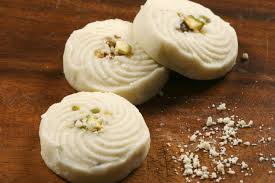
They use milk and sugar a lot. Think of rasgulla or sandesh. These are famous Bengali sweets.
Learning these tips will open up a new world of taste for you. It’s about simple ways to cook better.
My First Bangla Cooking Adventure
I remember the first time I tried to cook a Bengali dish. It was a fish curry. My friend, who is Bengali, gave me the recipe.
It seemed simple enough on paper. But my kitchen felt like a foreign land. The spices looked unfamiliar.
The instructions talked about “tempering” and “tadka.” I had no clue what that meant. I rushed to the store. I bought every spice that looked right.
My pantry started to overflow. I felt a bit lost.
The cooking process was slow. I added spices one by one. Some looked the same.
I must have used too much ginger. The kitchen filled with smoke. It wasn’t the good kind.
My curry tasted. okay. It wasn’t bad, but it wasn’t great.
My friend tasted it. She smiled kindly. “It’s a good start,” she said.
That one sentence told me a lot. I knew I needed to learn more. I needed real bangla cooking tips, not just a recipe.
I started asking more questions. I watched videos. I learned that the quality of ingredients matters.
Fresh spices are key. Mustard oil is different from other oils. It has a strong, good flavor.
I learned that some spices are bloomed first. This is what “tempering” or “tadka” means. It releases their aroma.
It makes the whole dish taste better. My next attempt was much better. The aroma filled my home.
The taste was deeper. It felt more authentic. That experience taught me patience and respect for the cooking.
Key Ingredients for Authentic Bangla Food
To cook bangla food well, you need some key items. These are the building blocks. They give dishes their special taste.
Having them ready makes cooking easier. It also makes your food taste better. You can find most of these at an Indian or Asian grocery store.
Even some larger supermarkets have them.
Must-Have Bangla Pantry Staples
- Mustard Oil: This is very important. It has a strong, pungent flavor. It’s used for frying and in curries. If you can’t find it, use another oil. But it won’t be the same.
- Ghee: Clarified butter. It adds a rich, nutty taste. Use it for finishing dishes or in sweets.
- Turmeric Powder: Gives food a yellow color. It also has health benefits. It’s used in almost every savory dish.
- Cumin Seeds & Powder: Cumin is used whole or ground. It adds a warm, earthy flavor.
- Coriander Seeds & Powder: Coriander is used whole or ground. It has a citrusy, floral taste.
- Garam Masala: A mix of ground spices. It’s usually added at the end. It adds warmth and aroma.
- Fenugreek Seeds: Small, bitter seeds. Used in tempering.
- Nigella Seeds (Kalonji): Small black seeds. Also used in tempering.
- Green Chilies: For heat. You can adjust the amount.
- Ginger & Garlic Paste: A base for many curries. Make it fresh for the best taste.
- Rice: Basmati rice is common. Long grain rice works well.
- Lentils (Dal): Toor dal, masoor dal, chana dal are popular.
These items are the heart of many recipes. Having them on hand means you’re ready to cook. You don’t have to run to the store every time.
This makes trying new recipes much more fun. It feels less like a chore and more like an adventure.
Spice Blending and Tempering: The Art of Flavor
Spices are the soul of bangla cooking. But it’s not just about throwing them in. It’s how you use them.
Two key techniques are spice blending and tempering.
Quick Guide to Tempering (Tadka/Phodan)
Tempering is heating spices in hot oil. This releases their flavors and aromas. It wakes them up.
- Heat Oil: Use mustard oil or ghee. Heat it until it’s hot but not smoking.
- Add Whole Spices: Start with seeds like cumin, mustard, or fenugreek. Let them splutter.
- Add Aromatics: Add curry leaves, dried red chilies, or nigella seeds.
- Cook Briefly: This happens fast! Just 30 seconds to a minute.
- Pour Over Dish: Pour this hot oil mixture over your curry, dal, or yogurt.
When you temper spices, you create a flavor base. This base lifts the entire dish. It adds layers of taste.
Think of it like a flavor explosion. For spice blends, it’s about mixing ground spices. They are often mixed with a little water.
This makes a paste. This paste is then cooked. Cooking the paste well is vital.
It removes the raw spice taste. It brings out the full flavor. This takes time.
You need to cook the paste until the oil starts to separate. This shows it is cooked properly. This is a crucial step in many curry recipes.
Mastering these two techniques will change your cooking. Your food will smell more inviting. It will taste more complex and satisfying.
Don’t be afraid to experiment. Start with simple recipes. See how the spices transform your food.
Fish: The Star of Bangla Cuisine
In Bengal, fish is king. It’s eaten almost every day. There are so many types of fish used.
Each one brings its own texture and flavor. Common ones include Rohu, Hilsa, and Pangas. Hilsa fish is very special.
It has a unique taste and is loved by many. It’s often cooked simply. This is to let its natural flavor shine through.
Fish curries are a staple. They can be made with mustard paste. This is called Kasundi Maach.
Or they can be made with poppy seed paste. This is called Posto Maach. The pastes are made by grinding.
You grind the seeds with a little water. Then you add them to the cooked fish. Cooking time is important for fish.
Overcooked fish becomes dry and tough. Undercooked fish is not safe.
Common Bangla Fish Preparations
- Maacher Jhol: A light, watery fish curry. Often made with seasonal vegetables.
- Maacher Kalia: A richer, spicier curry. Uses more onion and spice paste.
- Bhapa Maach: Steamed fish. Often cooked with mustard paste and green chilies in a banana leaf.
- Shorshe Maach: Fish cooked in a spicy mustard sauce.
- Fried Fish: Fish pieces coated in spices and fried until golden brown.
When you cook fish, try to use fresh fish. This makes a big difference. Marinating the fish with salt and turmeric is common.
This is done before frying or cooking. It helps the fish stay together. It also adds flavor.
Don’t be afraid of cooking fish. Start with simple fried fish or a light jhol. You’ll be surprised how easy and rewarding it is.
It’s a tasty way to add protein to your diet. And it’s a central part of the bangla cooking tips experience.
The Art of Making Dal (Lentils)
Dal is another very important food. It’s a daily meal for most. It’s a great source of protein.
There are many kinds of dals. Each has a different texture and flavor. Masoor dal is red lentils.
It cooks very fast. Toor dal is yellow split peas. It takes a bit longer.
Chana dal is split chickpeas. It has a nutty taste.
Making dal is usually simple. You boil the lentils. You add turmeric and salt.
Then you make a tempering. This tempering is poured over the cooked dal. This is called “dal tadka” or “dal phoran.” The tempering can be simple.
Just cumin seeds and a dried chili in oil. Or it can be more complex. It can include garlic, ginger, and onions.
The consistency of dal matters. Some like it thick. Others prefer it thinner, like a soup.
You can adjust this by adding water. Cooking dal well means it should be soft. It should mash easily.
It shouldn’t be mushy or watery. It should be comforting and filling. Pairing dal with rice and a simple vegetable dish is a classic meal.
It’s healthy and delicious. It’s a perfect example of how simple ingredients can be amazing.
Tips for Perfect Dal
- Rinse Lentils: Always rinse your dal well. This removes dust and debris.
- Soak (Optional): Some dals like chana dal benefit from soaking.
- Cook with Enough Water: Lentils expand. Add enough water to prevent sticking.
- Don’t Skip Tempering: This is what makes dal taste special.
- Fresh Herbs: A sprinkle of fresh cilantro at the end adds brightness.
Learning to cook good dal is a fundamental skill. It’s a grounding food. It’s the comfort food of Bengal.
It shows that great meals don’t need to be complicated. They just need care and the right approach.
Vegetables in Bangla Cooking
Vegetables are a huge part of the diet too. Bengal has a rich variety of produce. Seasonal vegetables are celebrated.
They are used in curries, stir-fries, and side dishes.
One popular dish is Shukto. It’s a mixed vegetable dish. It has a slightly bitter taste.
This comes from ingredients like bitter gourd. It’s cooked with milk and poppy seed paste. This balances the bitterness.
It’s often served as a starter. It’s a complex dish with many layers of flavor.
Other common dishes include:
- Aloo Posto: Potatoes cooked with poppy seed paste. Simple and delicious.
- Begun Bhaja: Fried eggplant slices. Often seasoned with salt and turmeric.
- Dhokar Dalna: Lentil cakes cooked in a curry.
A vegetarian main dish.
- Lau Ghonto: Bottle gourd cooked with spices. A light and healthy dish.
When cooking vegetables, keep them fresh. Cook them until tender but not mushy. The goal is to highlight the natural flavor of the vegetable.
Using spices well enhances this. It doesn’t overpower the vegetable. Many dishes use a light tempering.
This adds aroma without being too heavy. For many vegetable dishes, the focus is on freshness. And using spices to bring out their best.
It’s a thoughtful way to eat.
The Sweet Side of Bengal
Bengalis have a sweet tooth. Sweets are a big part of celebrations. They are also enjoyed as a daily treat.
Milk is a common base. Sugar, jaggery, and chenna (fresh cheese curd) are used.
Rasgulla is famous worldwide. It’s made from chenna. The chenna is kneaded.
It’s rolled into balls. Then it’s cooked in a sugar syrup. It becomes spongy and light.
Sandesh is another popular sweet. It’s also made from chenna. It’s often flavored with cardamom or saffron.
It has a firmer texture than rasgulla.
More Famous Bengali Sweets
- Mishti Doi: Sweet yogurt. Baked slowly to get a rich, creamy texture.
- Cham Cham: Oval-shaped sweets. Made from chenna and coated in desiccated coconut.
- Kheer Kadam: A small rasgulla inside a sandesh.
- Pithe: Rice flour dumplings. Made with coconut or jaggery filling. Often prepared during winter.
Making these sweets can seem tricky. But many recipes are quite simple. They often require patience.
Especially when cooking milk-based sweets. The key is to control the heat. Low and slow is often the best approach.
This prevents burning. It develops deep flavors. Don’t be afraid to try making them.
The reward of a homemade Bengali sweet is immense. It’s a delightful end to any meal. Or a perfect treat on its own.
These sweets are an important part of the bangla cooking tips lore.
Rice: The Foundation of Every Meal
In Bangla cuisine, rice is not just a side dish. It’s the main event. It’s served with everything.
From simple dal to elaborate curries. The type of rice used is important. Long-grain Basmati rice is common.
It cooks up fluffy and separate. It has a delicate aroma.
Cooking rice correctly is vital. Overcooked rice becomes mushy. Undercooked rice is hard.
The general rule is to use a 1:2 ratio. One part rice to two parts water. Rinse the rice before cooking.
This removes excess starch. This helps the grains stay separate. Then, cook it until the water is absorbed.
Let it steam for a few minutes after cooking.
Quick Rice Cooking Steps
- Measure Rice: Use a cup to measure.
- Rinse Rice: Put rice in a bowl. Add water. Swirl and drain. Repeat 2-3 times.
- Add Water: For 1 cup of rice, add 2 cups of water.
- Add Salt (Optional): A pinch of salt can enhance flavor.
- Boil and Simmer: Bring to a boil. Then reduce heat to low. Cover and simmer.
- Rest: Let it sit for 5-10 minutes after cooking.
Some dishes use special rice preparations. Like Pulao. This is rice cooked with ghee.
It often includes whole spices like cardamom and cloves. It can also have nuts and dried fruits. It’s a richer, more festive rice dish.
But for everyday meals, plain cooked rice is the standard. Mastering basic rice cooking is essential. It’s the canvas for all the other flavors.
It ensures your meal is complete and satisfying.
When to Worry vs. When It’s Normal
Sometimes, things can go wrong in the kitchen. It’s good to know when it’s a minor issue. And when it’s something to pay attention to.
Normal Bangla Cooking Occurrences
- Slightly Strong Mustard Oil Aroma: Fresh mustard oil has a pungent smell. It’s normal. It mellows as it cooks.
- Color Variations: Turmeric gives a bright yellow.
Red chilies add red hues. These colors are normal and expected.
- Thickening of Curries: As curries cool, they often thicken. This is due to the starches and pastes used.
- Bitterness in Some Dishes: Some traditional dishes, like Shukto, use bitter ingredients intentionally.
- A Little Oil on Top: In richer curries, a thin layer of oil might appear on top.
This is a sign the spices have been cooked well.
When to Be Concerned
- Burning Smell: If your food smells burnt, it likely is. This means the heat was too high. Or something was left too long.
- Unpleasant Raw Spice Taste: This means the spices were not cooked enough.
Especially the spice pastes.
- Sour Milk in Sweets: If your milk curdles or becomes sour during sweet making, it can be due to heat or added acid.
- Undercooked Meat or Fish: This is a food safety risk. Always cook to the correct internal temperature.
- Excessive Greasiness: If a dish feels overwhelmingly oily and heavy, it might be over-fried or too much oil was used.
Knowing these differences helps you adjust. It helps you learn from mistakes. Most cooking issues are fixable with a little care.
Or by adjusting the heat. Or adding a bit more liquid. Or cooking a bit longer.
It’s all part of the learning process.
Quick Fixes and Tips for Everyday Cooking
You don’t need to be a master chef to cook good bangla food. Here are some simple tips. They can make a big difference in your everyday meals.
Everyday Bangla Cooking Hacks
- Prep Ahead: Chop onions, ginger, garlic in advance. Store them in the fridge. This saves time during busy weeknights.
- Batch Cook Spices: Make a big batch of ginger-garlic paste. Or a spice blend. Store it for quick use.
- Use Frozen Veggies: Many vegetables can be frozen. They are convenient. Just add them to your cooking.
- Taste as You Go: This is the most important tip. Taste your food at different stages. Adjust salt, spice, and tanginess.
- Don’t Fear Heat: Many Bangla dishes use chilies for heat. Start with a small amount. You can always add more.
- Lemon or Lime: A squeeze of lemon or lime juice at the end adds brightness. It lifts many dishes.
- Fresh Cilantro: A handful of fresh chopped cilantro makes almost anything look and taste better.
These little tricks make cooking much easier. They help you achieve great flavors without stress. It’s about making the process smooth.
So you can enjoy the results more. These bangla cooking tips are practical. They are meant to be used daily.
Frequently Asked Questions About Bangla Cooking
Got Questions? We’ve Got Answers!
What is the most important spice in Bangla cooking?
While many spices are vital, turmeric is used in almost every savory dish. Mustard seeds and cumin are also extremely common and essential for flavor.
Is Bangla food very spicy?
It can be, but not always. Spiciness comes from green and red chilies. You can control the amount of chili used. Many dishes are mild and focus on other flavors like ginger, garlic, and aromatic spices.
Can I substitute mustard oil?
You can, but it will change the flavor. Regular vegetable oil or canola oil can be used. However, for authentic taste, try to find mustard oil. It has a unique pungent quality.
What’s the difference between dal tadka and dal fry?
Dal tadka involves adding a hot oil tempering with spices to cooked dal. Dal fry is often cooked with onions, tomatoes, and spices directly mixed into the dal while cooking.
How do I make ginger-garlic paste?
Peel fresh ginger and garlic cloves. Measure them in equal parts (by volume). Grind them together with a little bit of water in a blender or food processor until smooth. Store in an airtight container in the fridge for up to a week.
What are the essential spices for a beginner?
For a beginner, start with turmeric powder, cumin seeds, coriander powder, and garam masala. These will form the base of many dishes. As you get more comfortable, you can add fenugreek seeds, nigella seeds, and mustard seeds.
Final Thoughts on Bangla Cooking
Cooking is a journey. It’s about learning and exploring. Bangla cuisine offers so much.
It’s full of vibrant flavors. It’s about simple ingredients made wonderful. Don’t be afraid to try new things.
Start small. Taste your food often. And most importantly, have fun in the kitchen.
These bangla cooking tips are just a start. The best way to learn is by doing. Enjoy the delicious results!