Exploring Bangladesh street food recipes at home is a rewarding journey. This guide covers popular dishes, their unique ingredients, and simple cooking steps. Discover how to recreate authentic flavors with ease, bringing a taste of Bangladesh to your kitchen. Learn what makes these street foods so special.
Understanding Bangladeshi Street Food
Bangladeshi street food is a huge part of the culture. It’s not just about eating. It’s about the experience. Think bustling markets. Friends gathering. The smell of spices in the air. These foods are often made quickly. They are designed to be eaten on the go. But that doesn’t mean they lack flavor. Far from it. They are packed with bold tastes. Many use fresh ingredients. Common spices include turmeric, cumin, coriander, and chili. Ginger and garlic are also very important. Coconut milk often adds a creamy touch. Rice is a staple. So are lentils and fish. Street food recipes often build on these basics. They add unique twists.
The history of street food in Bangladesh is long. It evolved over time. It reflects the country’s geography and trade routes. For instance, influences from India and the Middle East are present. But Bangladeshi food has its own distinct identity. Each region might have its own specialty. But some dishes are loved nationwide. These are the ones we focus on today. They are often simple to make at home. But getting the authentic taste can be tricky. We will share tips for that.
My First Taste of fuchka
I remember my first time trying fuchka. I was visiting Dhaka. The air was warm and humid. I saw a crowd around a small cart. The vendor was a blur of motion. He was pouring water into crispy shells. He added mashed potatoes and spices. He topped it with a tangy tamarind water. It smelled incredible. I ordered a plate. He handed them to me one by one. The first bite was an explosion of flavor. It was crispy, then soft. It was sour, then spicy, then a little sweet. It was unlike anything I had ever tasted. My eyes widened. I felt a rush of pure joy. I ate a dozen more. That day, I understood the magic of Bangladeshi street food. It was an experience that stayed with me. It made me want to learn more.
Popular Street Food Recipes Bangladesh
There are so many delicious options. We will look at a few key ones. These are the ones you often see. They are also the ones people crave most. We will break down what makes them special. Then we will give you simple ways to try them.
Fuchka: The Iconic Snack
Fuchka is perhaps the most famous. It’s known by different names elsewhere. But in Bangladesh, it’s fuchka. It’s a small, crispy fried ball. It’s made from semolina or flour. It’s hollow inside. You break it open. Then you fill it with a mix. This mix usually has boiled potatoes. It has mashed chickpeas or lentils. It has chopped onions and green chilies. Sometimes, a sprinkle of spices like chaat masala is added. The whole thing is then dunked. It’s dunked in a spicy, tangy tamarind water. This water is called “pani”. It’s the soul of fuchka. It’s flavored with mint, chili, and other secret ingredients.
The magic of fuchka is its texture and taste. It’s a play on contrasts. The crispy shell. The soft filling. The burst of tangy, spicy water. It’s a bite-sized party. Making the shells can be hard. But you can buy pre-made ones. Or you can use small puri shells. The filling is easy. Just boil potatoes and mash them. Mix with spices, onions, and chilies. The key is the tamarind water. You need good quality tamarind pulp. Mix it with water. Add salt, chili powder, cumin powder. A pinch of black salt adds depth. Some people add a little sugar. Fresh mint and coriander leaves are crucial. They add freshness.
Fuchka Filling Quick Mix
What you need:
- Boiled potatoes (mashed)
- Boiled chickpeas or lentils (mashed)
- Chopped onion
- Chopped green chilies
- Salt
- Chaat masala (optional)
How to mix:
Combine all ingredients in a bowl. Mix well. Taste and adjust seasoning.
Tamarind Water (Pani) Essentials
Key Ingredients:
- Tamarind pulp
- Water
- Salt
- Chili powder
- Cumin powder
- Fresh mint leaves
- Fresh coriander leaves
- Black salt (kala namak)
Flavor Tip:
Steep mint and chili in water first. Then add tamarind and spices. Let it sit for flavors to meld.
Ghugni: Hearty Yellow Pea Curry
Ghugni is a warm, comforting dish. It’s made from dried yellow peas. These peas are known as ‘matar’. They are cooked until very soft. Then they are simmered in a flavorful curry. The curry base is usually onions, ginger, and garlic. Spices like turmeric, cumin, and coriander are used. It’s often spiced up with green chilies. The texture is thick and hearty. It’s a common snack. It’s also served as a light meal. Many street vendors sell ghugni. They serve it hot. It’s often topped with chopped onions. Fresh coriander leaves are also sprinkled on top. Sometimes, a squeeze of lime is offered.
Ghugni is relatively easy to make. You need to soak the yellow peas overnight. Then, pressure cook them until they are mushy. While the peas cook, make the masala. Fry onions until golden. Add ginger-garlic paste. Then add your ground spices. Cook this masala well. Add the cooked, mashed peas. Simmer everything together. Add water to get the desired consistency. It should be thick, not watery. Season with salt. For an authentic touch, a tempering is sometimes added. This is called ‘tadka’. It involves frying spices like cumin seeds and dried red chilies in oil or ghee. This is then poured over the ghugni.
Quick Ghugni Recipe Steps
Step 1: Cook Peas
Soak 1 cup yellow peas overnight. Drain. Pressure cook with enough water until very soft (about 4-5 whistles).
Step 2: Make Masala
In a pan, heat oil. Fry 1 chopped onion. Add 1 tbsp ginger-garlic paste.
Cook for a minute. Add 1 tsp cumin powder, 1 tsp coriander powder, 1/2 tsp turmeric powder, chili powder to taste. Cook the spices well.
Step 3: Combine and Simmer
Add the mashed cooked peas to the masala. Add salt. Mix well.
Add water to desired thickness. Simmer for 10-15 minutes. Garnish with fresh coriander and chopped onions.
Chotpoti: Tangy and Spicy Mix
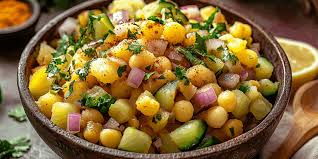
Chotpoti is another beloved snack. It’s a vibrant mix of flavors and textures. The name itself means ‘tasty’ or ‘tangy’. The base is usually boiled potatoes. These are cut into small cubes. To this, you add boiled chickpeas. Or sometimes, boiled pigeon peas are used. A key ingredient is mashed ‘tok dal’ or sour lentils. This gives it a unique tang. Hard-boiled eggs are often added too. They are chopped and mixed in. Then comes the seasoning. Chopped onions, green chilies, and coriander are tossed in. The dressing is a tangy tamarind pulp. It’s mixed with chili powder, cumin, and salt. Some vendors add a sprinkle of crispy fried onions or ‘bhajis’.
The art of chotpoti is in the layering. You want all the flavors to mingle. The soft potatoes. The chewy chickpeas. The tangy lentils. The fresh herbs. The spicy tamarind sauce. It all comes together in each spoonful. To make it at home, start by boiling potatoes and chickpeas. Cook the sour lentils separately until mushy. Chop hard-boiled eggs. Mix everything in a large bowl. Prepare the tamarind sauce. Make sure it’s not too thick. Adjust spices to your liking. Garnish generously with fresh ingredients. It’s a dish that is best served fresh.
Chotpoti Essential Components
Base:
- Boiled potatoes (cubed)
- Boiled chickpeas
- Cooked & mashed sour lentils (tok dal)
- Chopped hard-boiled eggs
Flavor Boosters:
- Chopped onions
- Chopped green chilies
- Fresh coriander leaves
- Tangy tamarind sauce (seasoned)
- Crispy fried onions (optional)
Shingara: The Bengali Samosa
Shingara is the Bengali version of a samosa. But it has its own distinct character. The filling is often different. It’s typically made with spiced potatoes. Sometimes, there’s a mix of potatoes and cauliflower. Or even minced meat. Small cubes of potatoes are boiled. They are then mashed lightly. They are mixed with spices like cumin seeds, nigella seeds (kalojira), turmeric, and chili. Fresh coriander and green chilies are added. The pastry is usually made from flour and oil. It’s rolled out thin. Then cut and folded into a cone shape. The filling is stuffed inside. The edges are sealed well. They are then deep-fried until golden brown and crispy.
The shingara is a bit more involved. Making the dough takes time. Rolling it out perfectly needs practice. But the filling is straightforward. The key is to get the spice mix just right. Not too hot, but flavorful. For the dough, mix flour with a little salt and oil. Rub the oil into the flour. Add water slowly to make a stiff dough. Let it rest. For the filling, boil potatoes. Mash them. Mix with sautéed spices and herbs. Once the shingaras are formed, fry them in medium-hot oil. Don’t overcrowd the pan. This ensures they cook evenly and become crispy. They are perfect with a cup of tea.
Shingara Filling Variations
Classic Potato: Spiced, lightly mashed boiled potatoes with ginger, green chilies, cumin, and coriander.
Aloo Gobi: A mix of spiced potatoes and finely chopped, lightly boiled cauliflower florets.
Keema Shingara: Spiced minced meat (lamb or beef) cooked with onions, ginger, garlic, and aromatic spices.
Tip: Ensure filling is not too wet. This can make the pastry soggy.
Jhal Muri: Spicy Puffed Rice
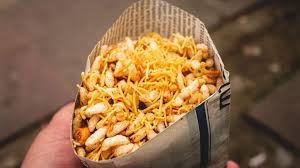
Jhal muri is a light, crunchy snack. It’s made from puffed rice. Puffed rice is known as ‘muri’ in Bangladesh. It’s mixed with a variety of ingredients. Chopped onions, tomatoes, and green chilies are common. Roasted peanuts add a nice crunch. Sometimes, finely chopped boiled potatoes are added. The dressing is a mustard oil-based sauce. This is the star ingredient. Mustard oil gives it a pungent, unique flavor. The sauce is made with chili powder, cumin powder, and salt. A squeeze of lime juice is essential. It adds brightness. Jhal muri is best assembled just before eating. This keeps the puffed rice crispy.
Making jhal muri is all about the mix. You need good quality puffed rice. The vegetables should be finely chopped. This helps them distribute evenly. The mustard oil dressing is key. Use good quality, pure mustard oil. Be mindful of its strong flavor. A little goes a long way. Mix all the dry ingredients first. Then drizzle the dressing. Toss gently. Serve immediately. It’s a popular picnic snack. It’s also great for a quick evening bite. It’s refreshing and flavorful.
Jhal Muri Flavor Layers
The Base: Crispy puffed rice (muri).
The Crunch: Roasted peanuts, sev (crispy chickpea flour noodles, optional).
The Freshness: Finely chopped onions, tomatoes, green chilies, coriander leaves.
The Zing: Spiced mustard oil dressing (mustard oil, chili powder, cumin powder, salt, lime juice).
Pro-Tip: Toasting the puffed rice lightly can enhance crispiness.
Real-World Context: Street Food Vending in Bangladesh
Street food in Bangladesh is more than just food. It’s a livelihood. Vendors often start early. They prepare their ingredients. They set up their carts or stalls. These stalls are often simple. They might be on a busy sidewalk. Or in a busy market square. The smell of cooking fills the air. People gather around. Friends meet up. Families grab a quick bite. It’s a social activity.
The environment is usually lively. It can be noisy. There’s constant movement. People are walking, talking, eating. The hygiene standards can vary. This is something to be aware of. Many vendors do their best. They keep things clean. But it’s always good to choose busy stalls. This often means the food is fresh. The vendors who have many customers are usually good. They have a reputation to uphold.
Habits play a big role too. Street food is often eaten standing up. Or while walking. It’s casual. It’s part of the daily routine for many. People might grab a fuchka on their way home. Or a ghugni for a late-night snack. The design of the stalls is functional. They are built for speed and efficiency. Small spaces are used wisely. Ingredients are kept accessible. Cooking is done right in front of you. This adds to the appeal. You see the freshness. You see the care taken.
User behavior is interesting. People often eat with their hands. Especially with snacks like chotpoti. Or they use small disposable plates. Or the vendor hands them directly to you, like with fuchka. There’s a sense of community. People often share tables if they are available. Or they stand in small groups. It’s a very democratic food scene. Everyone can afford it. Everyone enjoys it.
What This Means for You
When you try these recipes at home, remember the context. These are meant to be enjoyed. They are not always perfect. Sometimes, the textures might be a little different. The flavors might be slightly off. That’s okay. The goal is to capture the spirit.
It’s normal for your first attempt to not be perfect. Especially with things like fuchka shells. Or the exact spice balance. The important thing is to have fun. To experiment. To taste and adjust. Don’t worry if it doesn’t taste exactly like street food. It’s your version. It’s made with love in your own kitchen.
When should you worry about your cooking? If you’re using unsafe ingredients. Or if something smells really bad. That’s when you should stop. But in terms of taste and texture, be forgiving. It’s a learning process.
Simple checks you can do: Are your spices fresh? Is your tamarind pulp good quality? Is your mustard oil potent? These small things make a big difference.
Quick Fixes & Tips for Authenticity
Here are some ways to get closer to that authentic taste:
Fresh Herbs are Key: Always use fresh coriander and mint. Don’t substitute with dried versions.
Spice Level Control: Taste as you go. Add chili gradually. You can always add more heat.
Tamarind Matters: Use good quality tamarind pulp for your chutneys and waters. Avoid pre-made sauces that might be too sweet.
Mustard Oil Magic: For dishes like Jhal Muri, authentic mustard oil is crucial. If you can’t find it, the flavor will be different. But even a small amount adds depth.
Texture is Important: For crispy items like fuchka shells or shingara, ensure they are fried at the right temperature. Double frying can sometimes help.
Don’t Fear the Chili: Bangladeshi street food is often spicy. If you love heat, embrace it!
Frequently Asked Questions
What is the most popular street food in Bangladesh?
Fuchka is widely considered the most popular street food in Bangladesh. It’s a beloved snack enjoyed by people of all ages. Its unique combination of crispy texture, tangy water, and flavorful filling makes it a favorite.
Can I make Bangladeshi street food recipes at home easily?
Yes, many street food recipes can be made at home. Some, like Ghugni or Chotpoti, are quite straightforward. Others, like Fuchka shells, might require practice or store-bought components. The key is fresh ingredients and tasting as you go.
What are the essential spices for Bangladeshi street food?
Common essential spices include cumin, coriander, turmeric, chili powder, and black salt (kala namak). Fresh ginger, garlic, onions, green chilies, mint, and coriander leaves are also vital for flavor. Mustard oil is important for certain dishes.
Is Bangladeshi street food very spicy?
Yes, many Bangladeshi street foods have a spicy element. However, the level of spice can often be adjusted to personal preference. Fresh green chilies and chili powder are used to add heat.
What is ‘pani’ in the context of Fuchka?
‘Pani’ refers to the flavored water used to soak the fuchka shells. It is typically a tangy and spicy mixture made from tamarind pulp, water, mint, green chilies, and various spices like cumin and salt.
Are there healthy options among Bangladeshi street foods?
While many street foods are fried or rich in carbohydrates, some offer healthier aspects. Ghugni, made from lentils, is protein-rich. Jhal Muri, if made with less oil and more vegetables, can be a lighter option. Fresh ingredients like herbs and vegetables are used across many dishes.
Bringing Bangladesh to Your Kitchen
Exploring street food recipes Bangladesh has to offer is a culinary adventure. It’s about more than just following steps. It’s about understanding the heart behind the food. These recipes are a bridge. They connect you to a vibrant culture. They bring bold, exciting flavors right to your table. Don’t be afraid to try. Start with something simple. Taste the difference. Enjoy the process. Happy cooking!