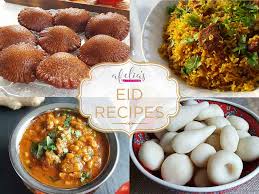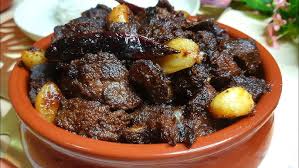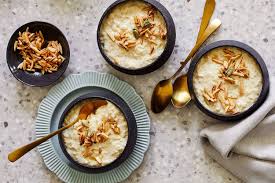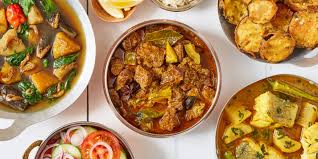
A complete Bangladeshi recipes collection involves exploring vibrant flavors, aromatic spices, and diverse cooking methods. It showcases a culinary heritage rich in fresh ingredients, often featuring rice, fish, lentils, and vegetables prepared in unique ways. This guide offers a starting point to creating authentic Bangladeshi meals.
Understanding Bangladeshi Cuisine: A World of Flavor
Bangladeshi food is a treasure chest of tastes and aromas. It’s deeply connected to the land and rivers. Think of fresh fish from the Bay of Bengal, rice from fertile plains, and a burst of spices grown locally.
The cooking style often involves slow simmering. This helps all the flavors meld together perfectly. It’s a cuisine that’s both comforting and exciting.
Many dishes are rooted in tradition, passed down through families. But there’s also room for creativity and personal touches. It’s a food that brings people together, perfect for family meals or celebrations.
What makes Bangladeshi cooking stand out is its masterful use of spices. They aren’t just thrown in; they are often roasted and ground. This brings out their full aroma and depth.
Common spices include turmeric, cumin, coriander, ginger, garlic, and chili. But there are also unique local favorites like mustard oil, kalojira (black cumin), and panch phoron (a five-spice blend). These give dishes their signature taste.
The balance of sweet, sour, spicy, and savory is key. It’s not just about heat; it’s about creating a complex, delicious symphony on your palate. Every region in Bangladesh might have its own special twist, making the culinary landscape incredibly rich.
My First Taste of Authentic Bangladeshi Cooking
I remember the first time I tried to make Macher Jhol, a simple fish curry. I was visiting a friend’s family, and her mother was cooking. The kitchen was filled with this incredible aroma.
I watched, fascinated, as she moved around with such grace. She wasn’t following a recipe book; it was all in her head, in her hands. She added spices with a pinch here, a dash there.
The whole process felt like an art form. When we finally sat down to eat, the fish curry was unlike anything I had ever tasted. It was light yet flavorful.
The spices were bright, not overpowering. The tender fish just melted in my mouth. That experience lit a fire in me.
I knew I had to learn to cook this food myself.
My own attempts at first were… well, let’s just say interesting. I’d measure everything precisely, following recipes I found online. But something was missing.
The soul, maybe? Or perhaps the intuitive touch I saw in her cooking. I’d often end up with food that was too spicy, or too bland.
I learned that Bangladeshi cooking is about feeling the ingredients. It’s about understanding how the heat of the chili blends with the warmth of turmeric. It’s about the texture of the lentils and the freshness of the herbs.
It took time, many practice meals, and a lot of tasting and adjusting. But slowly, I started to get it. The smell of mustard oil heating up became a comfort.
The gentle simmer of a dal pot became a familiar, soothing sound in my kitchen. It was a journey of delicious discovery.
Key Ingredients in Bangladeshi Cooking
Staples:
- Rice (various types)
- Fish (Hilsa, Rohu, Catfish are popular)
- Lentils (Dal)
- Vegetables (Gourds, leafy greens, potatoes, cauliflower)
Spices:
- Turmeric
- Cumin
- Coriander
- Ginger
- Garlic
- Chili (fresh and dried)
- Mustard seeds
- Nigella seeds (Kalonji)
- Fenugreek seeds
Aromatics & Flavorings:
- Onions
- Green chilies
- Cilantro (Coriander leaves)
- Mint
- Ghee
- Mustard oil
The Heart of the Home: Rice and Fish
In Bangladesh, rice is more than just food; it’s life. It’s the foundation of almost every meal. The most common type is Bhaat, which is steamed white rice.
It’s usually served plain and acts as a perfect canvas for all the flavorful curries and side dishes. You’ll often find different varieties of rice used, each with its own texture and flavor profile. Some are short-grained and sticky, while others are long and fluffy.
The way rice is cooked is also important. It should be fluffy and separate, not mushy. This allows it to soak up the delicious gravies from other dishes.
Fish is often called the “meat of Bangladesh,” and for good reason. With vast river systems and the Bay of Bengal, fish is abundant and incredibly varied. Hilsa (Ilish) is perhaps the most prized, especially in the monsoon season.
It has a rich, oily texture and a distinct flavor that many Bangladeshis consider a national treasure. Other popular fish include Rohu, Katla, and various types of catfish. They are prepared in countless ways: curries, fried, steamed, or in light broths.
The cooking method often depends on the type of fish and the desired flavor. For example, delicate fish might be gently simmered in a light, spiced broth, while firmer fish can be fried or used in richer gravies.
Popular Fish Dishes to Try
Macher Jhol (Fish Curry]
A light, flavorful curry often made with turmeric, ginger, garlic, and chilies. It’s usually cooked with onions and tomatoes.
Shorshe Ilish (Hilsa in Mustard Sauce]
Hilsa fish cooked in a pungent and creamy mustard sauce. This is a true delicacy.
Chingri Malaikari (Prawn Curry]
Prawns cooked in a rich, coconut-milk based curry, often with a hint of saffron or turmeric.
Exploring Dal: The Comforting Pulse of Bangladesh
Dal, or lentils, is another absolute staple. It’s a source of protein and a comforting part of any meal. You’ll find many different types of lentils used, like masoor dal (red lentils), moong dal (yellow lentils), and chana dal (split chickpeas).
Each has a unique texture and cooking time. Masoor dal is very common because it cooks quickly and has a smooth, creamy consistency.
Making a good dal is an art. It’s not just boiling lentils. It often involves a technique called “tadka” or “bagar.” This is where whole spices, like cumin seeds, mustard seeds, or dried chilies, are fried in hot oil or ghee.
This infused oil is then poured over the cooked dal. This simple step transforms the dal, adding a wonderful aroma and a layer of flavor. Sometimes, onions, garlic, or ginger are also fried in the oil before being added to the dal.
A good dal should be thick enough to coat the back of a spoon, but not too watery. It’s often garnished with fresh cilantro and a squeeze of lemon or lime juice right before serving.
Dal Tadka Variations
- Masoor Dal: Quick to cook, smooth texture.
- Moong Dal: Nutty flavor, slightly thicker.
- Chana Dal: Hearty, good source of protein.
- Dal with Vegetables: Lentils cooked with spinach, gourds, or other seasonal vegetables.
Vegetables: A Colorful and Healthy Addition
Bangladeshi cuisine makes excellent use of a wide array of vegetables. Many are seasonal and locally grown. Leafy greens are very popular.
Think of spinach, mustard greens (shorshe shaak), and jute leaves (paat shaak). These are often simply stir-fried with garlic and green chilies. They are a healthy and flavorful side dish.
Other common vegetables include gourds like bottle gourd (lau), ridge gourd (jhinga), and bitter gourd (korola). Bitter gourd is known for its distinct taste, which is an acquired one for many. It’s often fried to reduce its bitterness.
Potatoes are also used extensively in many curries and stir-fries. Cauliflower, eggplant, and okra are also regular sights in Bangladeshi kitchens. The way vegetables are prepared can vary greatly.
Some are simmered in light broths, others are stir-fried, and some are even mashed.
One popular way to prepare vegetables is “bhaji” or “bhajee.” This is a simple stir-fry, often with minimal spices. Garlic and green chilies are common additions. Another method is “torkari,” which is a more substantial vegetable curry, often cooked with a base of onions, ginger, garlic, and a blend of spices.
Sometimes, these vegetable dishes might include a small amount of fish or shrimp for added flavor. The goal is to bring out the natural taste of the vegetable while adding a pleasant aroma and subtle spice.
A Peek into Vegetable Dishes
Mixed Vegetable Torkari
A hearty curry made with a variety of seasonal vegetables like potatoes, cauliflower, carrots, and beans. Flavored with ginger, garlic, and turmeric.
Sholsha Shaak Bhaji
Mustard greens stir-fried with garlic, green chilies, and a pinch of salt. Simple, quick, and full of flavor.
Begun Bhaja
Thin slices of eggplant, coated in a light spice mixture and fried until golden brown. A popular appetizer or side.
The Art of Spices: Building Flavor
Spices are the soul of Bangladeshi cooking. They are used not just for heat but for aroma, color, and depth. The way spices are prepared is crucial.
Many are roasted whole first to unlock their essential oils. Then, they are ground into a fine powder. This process makes a huge difference in the final flavor.
Common spices include:
- Turmeric: Gives dishes a vibrant yellow color and a mild earthy flavor.
- Cumin: Both whole seeds (fried in oil) and ground powder are used. Adds a warm, nutty taste.
- Coriander: Usually used as a powder, it has a citrusy, slightly sweet flavor.
- Ginger and Garlic: Often used as a paste, they form a flavor base for many curries.
- Chilies: Both fresh green chilies and dried red chilies are used for heat and flavor. The type and amount can be adjusted to taste.
Beyond these, a few unique Bangladeshi flavors are important. Mustard oil is widely used as a cooking medium. It has a distinct pungent flavor that is characteristic of many dishes.
Nigella seeds (Kalonji) add a subtle onion-like flavor and are often used in tempering. Panch Phoron, a Bengali five-spice blend (fenugreek, nigella, cumin, black mustard, and fennel seeds), is a staple for tempering vegetables and some fish dishes. The combination and balance of these spices are what create the magic in Bangladeshi cuisine.
It’s not just about adding them; it’s about understanding how they interact.
Spice Blending: A Quick Guide
For most curries: Start with a base of ginger-garlic paste and sautéed onions. Add ground turmeric, cumin, and coriander. Add chili powder to taste.
For tempering (Tadka/Bagar): Heat oil (often mustard oil). Add whole spices like cumin seeds, nigella seeds, or fenugreek seeds. Let them splutter, then add to the dish.
For fish: Marinate fish with salt and turmeric. Fry lightly before adding to curry. Mustard oil is often the preferred cooking medium.
Popular Bangladeshi Recipes You Can Try
Now, let’s dive into some specific recipes that are beloved in Bangladeshi households. These are dishes that bring comfort and joy, and many are surprisingly approachable for home cooks.
1. Chicken Korma
Korma is a rich, creamy curry. It’s usually made with yogurt or coconut milk. This chicken korma is a favorite for special occasions.
It uses a blend of aromatic spices and nuts for a luxurious taste.
Ingredients:
- 1 lb chicken, cut into pieces
- 1 cup yogurt
- 1/2 cup ground almonds or cashews
- 1 large onion, thinly sliced
- 2-3 green chilies, slit
- 1 tsp ginger paste
- 1 tsp garlic paste
- 1/2 tsp ground cumin
- 1/2 tsp ground coriander
- 1/4 tsp ground cardamom
- 1/4 tsp ground cinnamon
- Pinch of nutmeg
- Salt to taste
- 2-3 tbsp ghee or oil
- Fresh cilantro, for garnish
Instructions:
- Marinate chicken with yogurt, salt, ginger paste, and garlic paste. Let it sit for 30 minutes.
- Heat ghee or oil in a pot. Fry the sliced onions until golden brown and crisp. Remove half of the fried onions and set aside for garnish.
- Add the marinated chicken to the pot with the remaining fried onions. Cook on medium heat until the chicken is browned.
- Add cumin, coriander, cardamom, cinnamon, and nutmeg. Stir well and cook for 2 minutes.
- Add the ground nuts and stir continuously until the mixture thickens and oil starts to separate.
- Add a little water if needed to reach desired consistency. Cover and simmer until chicken is cooked through.
- Garnish with the reserved fried onions and fresh cilantro.
Korma Tips
Yogurt: Use full-fat yogurt and whisk it well to avoid curdling.
Nuts: Ground almonds or cashews add richness and body. You can also use poppy seeds (posto) for a similar effect.
Sweetness: A pinch of sugar can balance the flavors if desired.
2. Bhuna Khichuri (Spiced Rice and Lentil Pilaf)
Khichuri is a comforting one-pot meal. This version, Bhuna Khichuri, is made by frying the rice and lentils before simmering them. This gives it a deeper flavor and a slightly drier texture than a standard khichuri.
Ingredients:
- 1 cup rice (Basmati or any medium grain)
- 1/2 cup masoor dal (red lentils)
- 1 large onion, sliced
- 1 tsp ginger paste
- 1 tsp garlic paste
- 2-3 green chilies, slit
- 1/2 tsp turmeric powder
- 1 tsp cumin powder
- 1 tsp coriander powder
- 1/2 tsp garam masala powder
- Salt to taste
- 3 cups water (or more, as needed)
- 2 tbsp ghee or oil
- Whole spices: 2-3 bay leaves, 2-3 cardamoms, 2-3 cloves, 1-inch cinnamon stick
Instructions:
- Rinse rice and dal together. Drain well.
- Heat ghee or oil in a pot. Add whole spices and let them splutter.
- Add sliced onions and sauté until golden brown.
- Add ginger paste and garlic paste. Sauté for a minute.
- Add turmeric, cumin, and coriander powders. Stir for 30 seconds.
- Add the rinsed rice and dal. Stir well to coat them with the spices. Fry for 2-3 minutes.
- Add slit green chilies, garam masala powder, and salt.
- Pour in the water. Bring to a boil, then reduce heat, cover, and simmer until the rice and dal are cooked and tender, and the water is absorbed.
- Let it rest for 5 minutes before fluffing with a fork.
Khichuri Serving Suggestions
Side Dishes: Traditionally served with fried eggs, beef bhuna, or a simple vegetable stir-fry.
Accompaniments: A dollop of plain yogurt or a squeeze of lime juice can enhance the flavor.
Consistency: Adjust water for a drier or more porridge-like consistency.
3. Begun Bhaji (Fried Eggplant)
This is a simple yet incredibly tasty side dish. Thin slices of eggplant are seasoned and fried until crispy and golden. It’s a perfect example of how simple ingredients can become delicious.
Ingredients:
- 1 medium eggplant, sliced into thin rounds
- 1/2 tsp turmeric powder
- 1/2 tsp chili powder (optional)
- Salt to taste
- 1/4 cup rice flour or all-purpose flour
- Oil for frying
Instructions:
- Wash the eggplant slices and pat them dry.
- In a bowl, mix turmeric powder, chili powder (if using), and salt with the eggplant slices.
- Add rice flour or all-purpose flour and toss gently to coat each slice evenly.
- Heat oil in a frying pan over medium-high heat.
- Carefully place the coated eggplant slices in the hot oil, making sure not to overcrowd the pan.
- Fry for 3-4 minutes per side, or until golden brown and crispy.
- Remove from oil and drain on paper towels. Serve hot.
Tips for Crispy Begun Bhaji
Slice thinly: Thin slices cook faster and get crispier.
Dry eggplant: Ensure eggplant slices are dry before coating to help the flour stick.
Hot oil: Use enough hot oil for even frying and to prevent the eggplant from absorbing too much oil.
Authentic Cooking Methods and Techniques
Bangladeshi cooking relies on several traditional methods that contribute to its unique flavors. Understanding these techniques can help you achieve authentic results at home.
Tempering (Tadka/Bagar)
This is a fundamental technique. It involves frying whole spices (like cumin seeds, mustard seeds, fenugreek seeds, dried chilies) in hot oil or ghee. This process releases the aroma and flavor of the spices, which are then poured over the dish.
It’s often done at the end of cooking or as the first step to build flavor in curries.
Tadka/Bagar Essentials
Oil: Mustard oil is traditional and adds a pungent kick.
Spices: Cumin seeds, nigella seeds, mustard seeds, dry red chilies, curry leaves (though less common in strict Bengali cooking).
Timing: Fry spices until fragrant but not burnt. Add to the dish immediately.
Slow Simmering
Many curries and stews are cooked slowly over low heat. This allows the flavors to meld beautifully. It also helps to tenderize tougher cuts of meat or vegetables.
Patience is key here. The slow simmer ensures that the spices penetrate the ingredients fully, creating a rich and complex taste.
Marination
Meat, poultry, and fish are often marinated before cooking. This is done to tenderize the ingredients and to infuse them with flavor. Common marinades include yogurt, ginger-garlic paste, lemon juice, and various spices.
The duration of marination can range from 30 minutes to several hours, depending on the ingredient.
Roasting and Grinding Spices
To maximize flavor, whole spices are often dry-roasted before being ground into a powder. This process enhances their aroma and removes any raw taste. Some recipes call for freshly ground spices for the best results.
This step, though time-consuming, makes a noticeable difference in the depth of flavor in the final dish.
Understanding Spice Combinations
The magic of Bangladeshi food lies in its spice combinations. It’s not just about the individual spices but how they work together.
- Warming Spices: Cumin, coriander, and turmeric form the base of many curries.
- Aromatic Spices: Cardamom, cloves, and cinnamon are often used whole in rice dishes or added as powders in richer curries.
- Heat and Pungency: Green chilies, dried red chilies, and mustard seeds provide the characteristic spice and zing.
- Unique Blends: Panch Phoron is a classic blend for vegetable dishes and some fish preparations.
The skill lies in balancing these elements. Too much heat can overpower other flavors. Too little, and the dish might taste bland.
It’s a culinary dance. The interplay of sweet, sour, spicy, and salty is always considered. Fresh herbs like cilantro and mint are added at the end to bring a burst of freshness.
Common Spice Pairings
- Fish Curries: Turmeric, cumin, coriander, ginger, garlic, green chili.
- Vegetable Dishes: Nigella seeds (kalojira), cumin seeds, mustard seeds, Panch Phoron.
- Meat Dishes: Garam masala, cardamom, cloves, cinnamon, alongside the base spices.
When is it a ‘Normal’ Bangladeshi Dish?
It can be tricky to know what’s typical. Many dishes have regional variations. But there are some signs that indicate an authentic Bangladeshi flavor profile.
- Use of Mustard Oil: If you smell that distinct pungency, it’s a good sign.
- Balanced Spices: The spices should be flavorful but not overwhelming. They should complement, not dominate.
- Focus on Freshness: Many dishes use fresh herbs and ingredients, highlighting their natural taste.
- Rice as a Base: Expect rice to be central to most meals.
- Dal is King: A well-made dal is a mark of good home cooking.
If a dish feels overly complex with too many ingredients, or if it relies heavily on pre-made pastes rather than fresh aromatics, it might be an adaptation. Traditional Bangladeshi cooking often prioritizes simple, fresh ingredients prepared skillfully. The focus is on the quality of the ingredients and the mastery of basic techniques like tempering and slow simmering.
What to Expect from Your Bangladeshi Culinary Journey
Embarking on this recipe collection is an invitation to explore a vibrant and delicious cuisine. You’ll discover a world of flavors that are both comforting and exciting. Don’t be afraid to experiment.
Taste as you go. Adjust spices to your liking. The most important ingredient is your willingness to learn and enjoy the process.
You’ll learn about the importance of layering flavors. You’ll appreciate how simple ingredients can be transformed into something extraordinary. Bangladeshi cooking is about community, family, and sharing.
So, gather your ingredients, put on some music, and get ready to create some magic in your kitchen. Your taste buds will thank you!
Frequently Asked Questions about Bangladeshi Recipes
What is the most famous Bangladeshi dish?
While it’s hard to pick just one, Hilsa fish (Ilish) prepared in various ways, like Shorshe Ilish (in mustard sauce), is incredibly iconic and beloved. Other popular dishes include various types of fish curry (Macher Jhol) and Khichuri.
What are the essential spices for Bangladeshi cooking?
Essential spices include turmeric, cumin, coriander, ginger, garlic, chili (fresh and dried). For tempering, you’ll often use cumin seeds, nigella seeds, and mustard seeds. Mustard oil is also a key ingredient for cooking and flavoring.
Is Bangladeshi food very spicy?
Bangladeshi food can be spicy, but it’s usually about a balanced heat rather than just overwhelming fire. The spiciness comes from green and red chilies, and can be adjusted to personal preference. The other spices add warmth and aroma, not just heat.
What is the difference between Bengali and Bangladeshi food?
There is a lot of overlap, as both cuisines share a common heritage. However, Bangladeshi cuisine often features a stronger emphasis on mustard oil, certain regional fish preparations, and specific lentil dishes. The flavors can be subtly different due to local ingredients and preferences.
What do people eat for breakfast in Bangladesh?
Breakfast often includes simple, hearty options like Ruti (flatbread) served with a vegetable curry, dal, or sometimes eggs. Panta Bhaat (fermented rice) is a traditional breakfast, especially in rural areas.
How do I make dal taste authentic?
Authentic dal often involves a flavorful tempering (tadka or bagar) with whole spices like cumin seeds or nigella seeds fried in hot oil or ghee. Using fresh ginger and garlic, and finishing with fresh cilantro and a squeeze of lemon can also make a big difference.
Final Thoughts on Bangladeshi Culinary Delights
This collection is just the beginning of your journey into Bangladeshi cooking. Each recipe tells a story of tradition, flavor, and love. Embrace the spices, the aromas, and the wonderful tastes.
You’re not just cooking; you’re experiencing a rich culture. Enjoy every delicious step!