Understanding Bangladeshi Cuisine
Bangladeshi food is known for its subtle yet complex flavors. Rice is a staple, eaten at almost every meal. Fish is also incredibly important.
It’s often called the “land of fish and rice” for a reason. The country has many rivers and a long coastline.
Spices play a big role. Common ones include turmeric, cumin, coriander, ginger, and garlic. Mustard oil is a popular cooking fat.
It adds a distinct flavor. Dishes can range from mild to very spicy. People often adjust spice levels to their liking.
Coconut is also used in many dishes, adding a creamy texture.
The cuisine has influences from its neighbors. India, Myanmar, and parts of the Middle East have shaped its cooking. However, it has its own unique identity.
Meals are often shared family-style. This brings people together around the table.
A Taste of Tradition: Iconic Bangladeshi Recipes
Let’s dive into some of the most beloved recipes. These are dishes you’ll find at homes and restaurants across Bangladesh. They represent the heart of its food culture.
1. Biryani
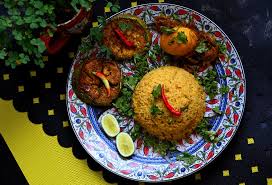
Biryani is a rice dish cooked with spices, meat (usually chicken or mutton), and sometimes potatoes. It’s a festive dish. Many families make it for celebrations and special occasions.
The rice is often parboiled. Then, it’s layered with marinated meat and aromatics.
The cooking process involves slow simmering. This allows the flavors to meld together beautifully. Basmati rice is often used for its fragrance.
Other spices like cardamom, cloves, and cinnamon are key. A good biryani is moist and flavorful. It smells amazing as it cooks.
In Bangladesh, biryani has regional variations. Some are drier, others more saucy. The addition of fried onions and ghee adds richness.
It’s a dish that takes time and care. But the result is always worth it.
Biryani: Quick Facts
- Origin: Persian
- Key Ingredients: Rice, Meat (Chicken/Mutton), Spices, Yogurt
- Common Use: Celebrations, Festivals
- Flavor Profile: Rich, Aromatic, Savory
2. Panta Bhat
Panta Bhat is simple yet deeply traditional. It’s leftover cooked rice. This rice is soaked in water overnight.
It’s often eaten cold. This dish is especially popular during the Bengali New Year (Pohela Boishakh).
It’s seen as a refreshing meal. Especially in the hot weather. It’s usually served with fried fish.
Such as Ilish (hilsa) or Chingri (shrimp). Mustard oil and salt are common additions. Sometimes, green chilies and onions are added for extra flavor.
Panta Bhat is more than just food. It’s a symbol of resilience and resourcefulness. It shows how traditional foods can be adapted.
It’s a taste of home for many Bangladeshis. It’s a humble dish that holds a lot of cultural weight.
3. Ilish Macher Jhol
Ilish, or hilsa fish, is considered the king of fish in Bangladesh. It’s a national treasure. The fish is known for its oily texture and rich taste.
Ilish Macher Jhol is a classic preparation. It’s a light, flavorful curry.
The key ingredients are the fish, mustard oil, green chilies, and turmeric. Sometimes onions are used. The curry is usually quite thin.
It’s meant to complement the rich flavor of the fish. It’s best enjoyed with hot, steamed rice.
Ilish is seasonal. It’s most abundant during the monsoon. This makes it a cherished delicacy.
Many families wait eagerly for its arrival. The smell of Ilish cooking is distinctive. It’s a true comfort food for many.
Ilish Macher Jhol: Key Elements
- Main Ingredient: Hilsa Fish
- Cooking Medium: Mustard Oil
- Flavor Base: Turmeric, Green Chilies
- Serving Suggestion: Steamed Rice
4. Shorshe Ilish
Another popular way to cook Ilish is Shorshe Ilish. This dish features the fish cooked in a pungent mustard paste. Mustard seeds are ground into a paste.
Then they are mixed with water, turmeric, and chilies. This paste forms the base of the sauce.
The fish is gently simmered in this sauce. It takes on a unique, slightly spicy flavor. The mustard paste can be quite strong.
So, it’s often balanced with a touch of sugar or by using milder mustard seeds. This dish is also best served with plain rice.
The texture of the fish combined with the creamy mustard sauce is divine. It’s a dish that can be polarizing. Some people love the strong mustard flavor.
Others find it too intense. But for lovers of Ilish, it’s a must-try.
The Vibrant World of Bangladeshi Street Food
Bangladeshi street food is an adventure. It’s flavorful, affordable, and readily available. These snacks and quick meals are a big part of daily life.
They offer a burst of taste and texture.
1. Fuchka (Pani Puri/Golgappa)
Fuchka is perhaps the most famous street food. It’s known by different names in other parts of South Asia. It consists of hollow, crispy fried balls.
These are made from semolina or flour. They are called ‘puri’.
The puri is typically cracked open. Then it’s filled with a mixture. This often includes mashed potatoes.
Spiced chickpeas or peas are also common. A tangy tamarind water (pani) is poured in. It makes the fuchka flavorful and juicy.
Spices, mint, and tamarind create a unique taste. It’s a burst of sweet, sour, and spicy all in one bite. Eating fuchka is an experience.
It’s often eaten standing up. Many vendors sell them one by one. You eat them quickly before they get soggy.
Fuchka Fun Facts
- Key Component: Crispy Puri
- Filling: Potato, Chickpeas, Spices
- Sauce: Tangy Tamarind Water
- Eating Style: Quick, One Bite
2. Ghugni
Ghugni is a hearty snack. It’s made from dried yellow peas. The peas are usually soaked overnight.
Then they are boiled until soft. They are cooked with onions, ginger, garlic, and a blend of spices.
It’s often served warm. Many vendors add chopped onions. Green chilies for heat.
Coriander leaves for freshness. Sometimes a squeeze of lemon is added. It can be eaten on its own.
Or it can be served with bread or fried items.
Ghugni is a popular evening snack. It’s filling and flavorful. It’s a good example of how simple ingredients can be transformed.
The spices used can vary. This gives different vendors their own unique touch.
3. Chotpoti
Chotpoti is another popular street food. It’s a mixture of boiled potatoes. Also, chickpeas and boiled eggs.
All these ingredients are mashed together. Then mixed with tamarind chutney. And a special spice blend.
It’s topped with chopped onions. Green chilies, and sometimes sev (crispy chickpea noodles). The flavor is a complex mix.
It’s tangy, spicy, and savory. It’s very satisfying.
Chotpoti is often prepared fresh. The vendor mixes the ingredients right in front of you. This makes it more appealing.
It’s a dish that hits many flavor notes at once. It’s a perfect snack for a casual outing.
Chotpoti Breakdown
- Base: Boiled Potatoes, Chickpeas, Eggs
- Sauce: Tamarind Chutney
- Spices: Special Blend
- Toppings: Onions, Chilies, Sev
4. Singara (Samosa)
Singaras are the Bangladeshi version of samosas. They are triangular fried pastries. The filling is usually made of spiced potatoes.
Sometimes, peas and other vegetables are added. Meat fillings are also popular.
The pastry is made from flour and water. It’s mixed to form a firm dough. Then it’s rolled out.
Cut into shapes. Filled. And sealed.
They are then deep-fried until golden brown.
Singaras are a common snack. They are often eaten with tea. Or as a starter.
They are a bit heavier than fuchka or chotpoti. But very satisfying. The crispy exterior and savory filling make them a favorite.
Everyday Meals and Side Dishes
Beyond the famous dishes, everyday meals in Bangladesh are just as important. They form the backbone of daily sustenance.
Rice Varieties
Rice is central to every meal. Plain white rice is the most common. It’s usually steamed.
Different varieties exist. Some are fragrant, others are simple. The texture can vary too.
Sometimes, rice is cooked with ghee. This makes it richer. Polao is a special rice dish.
It’s made with basmati rice. Cooked with spices, ghee, and sometimes nuts or raisins. It’s often served at special meals.
It’s fragrant and flavorful.
Dal (Lentils)
Dal is a protein-rich lentil dish. It’s a daily staple. Many types of lentils are used.
Such as masoor (red lentils), moong (yellow lentils), and chana (chickpeas).
Dal is typically simmered with water. Then it’s tempered. This tempering involves frying spices.
Like cumin seeds, mustard seeds, and dried chilies. Garlic and onions are often added too. This gives the dal its distinct aroma and flavor.
It’s usually served with rice. Or sometimes with roti (flatbread). It’s a healthy and filling side dish.
It provides essential nutrients.
Common Dal Types
- Masoor Dal: Red lentils, cooks quickly, mild flavor.
- Moong Dal: Yellow lentils, often used for lighter preparations.
- Chana Dal: Split chickpeas, has a slightly nutty taste.
Vegetable Dishes (Shobji)
Vegetable dishes are an essential part of a Bangladeshi meal. They add color, vitamins, and fiber. Many seasonal vegetables are used.
Including gourds, leafy greens, okra, and cauliflower.
Vegetables can be cooked in various ways. They can be stir-fried. Stewed in a light curry.
Or mashed into a simple dish called Bhaji.
Shobji Torkari is a mixed vegetable curry. It often includes potatoes, carrots, beans, and cauliflower. It’s flavored with ginger, garlic, and turmeric.
Mustard oil is frequently used. This gives it a distinct taste.
Meat and Fish Curries
Beyond Ilish, many other fish and meat curries are popular. Chicken curry is common. Beef and mutton are also used.
These curries are usually rich and flavorful.
They are made with a base of onions, ginger, garlic, and tomatoes. A blend of ground spices is added. Such as cumin, coriander, turmeric, and chili powder.
The meat or fish is simmered in this sauce until tender.
Aloo Gosht is a popular dish. It’s a mutton or beef curry cooked with potatoes. The potatoes absorb the rich flavors of the meat.
It’s a hearty and satisfying meal. Served with rice or roti.
Meat & Fish Curry Tips
- Key Spices: Turmeric, cumin, coriander, chili powder.
- Aromatics: Onion, ginger, garlic are essential.
- Cooking Method: Slow simmering is key for tenderness.
- Serving: Best with rice or flatbreads.
Sweet Treats and Desserts
Bangladeshi desserts are often sweet. And they are usually milk-based. They are enjoyed after meals.
Or during festivals.
1. Roshogolla
Roshogolla is a beloved sweet. It’s made from chenna (fresh cheese curds). The chenna is kneaded into balls.
Then they are boiled in sugar syrup. The balls absorb the syrup. They become spongy and soft.
The syrup is usually flavored with cardamom. Or rose water for added fragrance. Roshogolla is a popular dessert at weddings.
And other celebrations. It’s a simple but delicious sweet.
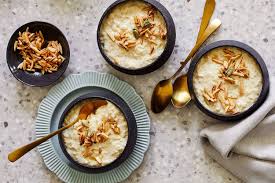
2. Mishti Doi
Mishti Doi means sweet yogurt. It’s a baked yogurt. It has a creamy texture.
And a rich, sweet flavor. It’s made with milk and sugar. Sometimes a starter culture is used.
Or yogurt from a previous batch.
It’s traditionally baked in clay pots. This helps it to thicken and caramelize. The top often develops a slightly browned layer.
It’s a comforting and familiar taste.
Mishti Doi: The Sweet Secret
- Base: Milk and Sugar
- Texture: Creamy, Thick
- Flavor: Sweet, Caramelized
- Serving: Chilled
3. Chomchom
Chomchom is another popular sweet. It’s made from chenna. Similar to Roshogolla.
But the balls are often elongated. And they are cooked in a sugar syrup. This syrup is sometimes flavored with kewra water.
Or rose water.
Chomchom often has a reddish-brown color. It can be garnished with desiccated coconut. Or pistachios.
It has a chewy texture. And a very sweet taste. It’s a rich dessert.
Regional Flavors and Influences
Bangladesh is not a single monolithic food culture. There are regional differences. And influences from surrounding areas.
Chittagong Region
The coastal city of Chittagong has a distinct cuisine. Influenced by its port history. Seafood is very popular.
Dishes often feature coconut. And a variety of spices. Morabba, a type of sweet preserve, is also common.
Sylhet Region
Sylhet is known for its tea gardens. And its unique dishes. Including various meat preparations.
And rice dishes like Akhni. It shares some culinary traits with nearby Assam in India.
Dhaka Cuisine
As the capital city, Dhaka has a mix of everything. Traditional food is readily available. But modern influences are also seen.
Street food culture is very strong here.
Regional Highlight: Sylheti Akhni
- Dish Type: Spiced Rice Dish
- Key Ingredients: Rice, Meat (often chicken), Whole Spices
- Flavor: Aromatic, Rich
- Comparison: Similar to Biryani but often simpler.
Cooking Tips for Bangladeshi Dishes
Trying to recreate these flavors at home can be rewarding. Here are a few tips.
Use Fresh Spices: Ground spices lose their potency over time. Grinding your own spices fresh can make a big difference. Toasting whole spices before grinding enhances their aroma.
Mustard Oil: If you can find good quality mustard oil, use it. Its pungent flavor is characteristic of many Bangladeshi dishes. Be aware it has a high smoke point.
And a strong smell when heated.
Balance Flavors: Bangladeshi cooking often balances sweet, sour, salty, and spicy. Taste as you cook. Adjust seasonings.
Don’t be afraid to add a pinch of sugar to balance spice or acidity.
Slow Cooking: Many curries benefit from slow simmering. This allows the flavors to deepen. And the meat to become tender.
Patience is key.
Essential Spice Guide
- Turmeric: For color and earthy flavor.
- Cumin: Warm, earthy, slightly nutty.
- Coriander: Citrusy, floral, slightly sweet.
- Ginger & Garlic: Aromatic base for most savory dishes.
- Green Chilies: For heat and fresh chili flavor.
Rice Preparation: Cooking rice perfectly is important. For dishes like Biryani, rinsing the rice well. And cooking it to the right consistency is crucial.
For plain rice, ensure it’s fluffy and not mushy.
When to Worry About Your Food
While most Bangladeshi food is safe and delicious, like any cuisine, there are times to be cautious.
Street Food Safety
When eating street food, choose busy stalls. This ensures high turnover. And fresher ingredients.
Look for vendors who cook food hot. And handle it hygienically. If you have a sensitive stomach, start with cooked items.
Home Cooking Quality
At home, ensure all ingredients are fresh. Meat and fish should be properly stored. Cooked food should be eaten promptly.
Or stored correctly in the refrigerator. Reheat thoroughly.
Trust Your Senses: If something looks or smells off, don’t eat it. This applies to raw ingredients and cooked food.
Frequently Asked Questions about Bangladeshi Recipes
What is the most famous dish in Bangladesh?
What is the most famous dish in Bangladesh?
The most famous dish is arguably Ilish Macher Jhol (hilsa fish curry) due to the fish’s national importance. However, Biryani is also incredibly popular for celebrations and everyday feasting. Fuchka is the undisputed king of street food.
Is Bangladeshi food very spicy?
Is Bangladeshi food very spicy?
Bangladeshi food can range from mild to very spicy. While chilies are used, they are often balanced with other flavors like sweetness and tanginess. Many dishes allow for spice adjustment based on personal preference.
What is the staple food of Bangladesh?
What is the staple food of Bangladesh?
The staple food of Bangladesh is rice. It is consumed with almost every meal, whether it’s breakfast, lunch, or dinner. Lentils (dal) and vegetables are also essential parts of the daily diet.
What oil is commonly used in Bangladeshi cooking?
What oil is commonly used in Bangladeshi cooking?
Mustard oil is the most traditional and common cooking oil in Bangladesh. It imparts a distinct pungent flavor to dishes. However, other vegetable oils like soybean or sunflower oil are also used.
What are some popular sweets in Bangladesh?
What are some popular sweets in Bangladesh?
Popular Bangladeshi sweets include Roshogolla, Mishti Doi, Chomchom, and Sandesh. These desserts are often milk-based and are a significant part of cultural celebrations and festivals.
How is Panta Bhat made?
How is Panta Bhat made?
Panta Bhat is made by soaking leftover cooked rice in water overnight. It is then usually eaten cold, often with accompaniments like fried fish, chili, and onion. It is especially popular during the Bengali New Year.
Conclusion
Bangladeshi recipes offer a rich tapestry of flavors. From the fragrant spices of Biryani to the tangy zest of Fuchka, there’s something for everyone. Exploring these dishes is a journey.
It connects you to the culture and people of Bangladesh.