Iftar recipes in Bangladesh focus on light yet filling dishes. They often include a mix of fried snacks, sweet treats, and nourishing drinks. These recipes are designed to be shared and enjoyed after a day of fasting. They bring families together for a blessed meal.
Understanding Traditional Bangladeshi Iftar Foods
In Bangladesh, Iftar is a vibrant culinary event. It’s more than just food; it’s a cultural practice. Families prepare a spread that’s both satisfying and diverse.
The goal is to replenish energy after fasting. Yet, it shouldn’t be too heavy. Many dishes are fried snacks.
These are often called ‘beguni’ or ‘peyaji’.
Sweet items are also very popular. Think of milky puddings or date-based sweets. These offer quick energy.
Drinks are essential too. Sherbets and lassis are common choices. They help rehydrate the body.
Preparing these foods is a communal activity. It involves many family members working together.
The variety ensures everyone finds something they like. It’s about balance. You have savory and sweet.
You have crunchy and soft textures. You also have cool and warm items. This thoughtful preparation makes the Iftar experience joyful.
It’s a tradition passed down through generations.
The emphasis is on wholesome ingredients. Fresh fruits and vegetables are often used. Grains like chickpeas and lentils are common too.
These provide sustained energy. The cooking methods vary. Some items are deep-fried.
Others are steamed or baked. This mix keeps the meal interesting.
My First Ramadan in Bangladesh: A Taste of Home
I remember my first Ramadan in Bangladesh vividly. I was visiting family friends. The air itself seemed to hum with a gentle anticipation as sunset neared.
The scent of frying onions and spices filled the kitchen. It was a comforting, warm aroma. My host, a lovely woman named Amina, was busy preparing a spread.
She had platters of golden samosas. There were crispy piajus, made from onions and gram flour. Little bowls held sweet, sticky jalebis, their spirals gleaming.
A large pitcher of a refreshing tamarind drink sat on the counter. I felt a pang of overwhelm, but also immense curiosity. How did they prepare all this?
Amina smiled, seeing my wide eyes. “It is a lot, yes,” she said. “But it is made with love.” She explained that each dish had a purpose.
The fried items gave quick energy. The sweets were for a sugar boost. The drinks helped with thirst.
It wasn’t just about eating. It was about community and care.
That evening, we gathered around a low table. The call to prayer echoed softly. We broke our fast with dates, as is Sunnah.
Then, we dove into the feast. Each bite was a burst of flavor. It was delicious, but more importantly, it felt deeply nourishing.
It was a true taste of shared tradition.
The Core Components of a Bangladeshi Iftar Spread
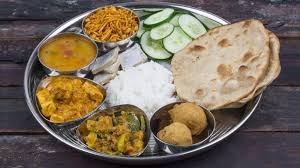
A traditional Iftar recipes Bangladesh spread typically includes several key elements. These elements are balanced to provide energy and satisfaction. They are also culturally significant.
Key Iftar Food Groups
1. Savory Snacks (Bhaji/Beguni/Peyaji): These are often fried. Common ingredients include onions, potatoes, eggplants, and lentils.
They offer quick calories and a satisfying crunch. Think of them as the stars of the savory table. They are easy to make in batches.
2. Sweet Items (Mithai): These provide a sugar boost. Dates are traditional.
Other sweets like jalebi, gulab jamun, or sheer khorma are popular. They offer a delightful contrast to the savory items. Many are milky or syrup-based.
3. Legumes and Grains (Chola/Ghugni): Boiled chickpeas or lentil preparations are common. These are filling and provide complex carbohydrates.
They are often spiced and flavored. Ghugni is a favorite, made from dried yellow peas.
4. Breads (Paratha/Luchi): Sometimes, soft, small breads are served. These are not always the main focus but complement the other dishes.
They are usually made fresh.
5. Drinks (Sharbat/Lassi): Hydration is key. Refreshing drinks like lemon sherbet, tamarind juice, or yogurt-based lassis are essential.
They help quench thirst. Some are sweet, while others are tangy.
6. Fruits: Fresh fruits are always a healthy addition. They provide vitamins and natural sugars.
Seasonal fruits are highly favored.
These components work together. They create a balanced meal. It recharges the body after fasting.
The preparation is an act of devotion for many. It’s about showing care for family. The communal aspect is very important.
Deep Dive into Popular Iftar Snacks
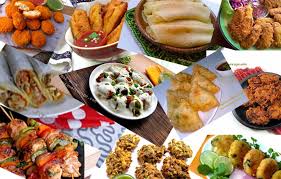
Fried snacks are a hallmark of Bangladeshi Iftar. They are prepared with simple ingredients. Yet, they deliver big on flavor.
Let’s look at a few favorites. These are the items people crave most.
1. Beguni (Eggplant Fritters)
Beguni is a beloved snack. It uses thin slices of eggplant. These are dipped in a seasoned gram flour batter.
Then, they are fried until golden and crispy. The eggplant becomes soft inside. The outside is crunchy.
It’s a simple yet delightful combination.
Beguni Quick Recipe Outline
Ingredients: Eggplant, gram flour (besan), salt, turmeric powder, red chili powder, cumin powder, water, oil for frying.
Steps:
- Slice eggplant thinly.
- Mix gram flour with spices and water. Make a thick batter.
- Dip eggplant slices in batter.
- Fry until golden brown.
Tip: Soaking eggplant slices in salt water can reduce bitterness.
The taste of beguni is mildly sweet from the eggplant. The spices in the batter add a little kick. It pairs well with a tangy tamarind chutney.
It’s a staple at almost every Iftar table.
2. Peyaji (Onion Fritters)
Peyaji, also known as piaji, is another crowd-pleaser. It’s made from thinly sliced onions. These are mixed with gram flour and spices.
Sometimes, chopped green chilies and coriander leaves are added. The mixture is formed into small patties. Then, they are deep-fried.
The sweetness of the onions shines through. The gram flour gives it a crispy coating. The spices add warmth.
It’s a hearty snack. It’s also quite filling. The aroma of frying onions is very inviting.
It signals that Iftar is almost here.
Peyaji Key Ingredients
Main: Onions (sliced), Gram flour (besan).
Spices: Cumin powder, coriander powder, red chili powder, salt.
Add-ins (Optional): Chopped green chilies, coriander leaves, a pinch of turmeric.
Cooking: Deep-fried in hot oil.
Making peyaji is relatively simple. It requires basic pantry staples. The key is to slice the onions thinly.
This helps them cook evenly. It also makes the fritters crispy. These are best enjoyed hot.
3. Shingara (Samosa)
Shingaras are the Bengali version of samosas. They are triangular pastries. The filling is typically spiced potatoes.
Sometimes, peas or minced meat are added. The outer crust is made from flour and oil. It’s fried until golden and flaky.
The contrast between the crispy pastry and the soft, spiced filling is wonderful. Shingaras are more substantial than beguni or peyaji. They provide more energy.
They are often served with sweet and sour chutneys. They are a significant part of any festive meal, including Iftar.
Shingara Filling Variations
- Potato & Pea: Classic vegetarian filling.
- Mince Meat: Ground beef or lamb, spiced and cooked.
- Mixed Vegetable: Carrots, beans, and potatoes.
Dough: All-purpose flour, oil, water, salt.
Flavor: Spices like cumin, coriander, ginger, garlic, and chili.
The preparation of shingaras takes more time. Making the dough and the filling separately requires effort. Shaping them into perfect triangles also needs practice.
However, the result is always worth it. They are a true delicacy.
Nourishing Dishes Beyond Fried Snacks
While fried snacks are popular, a balanced Iftar includes other types of food. These dishes provide essential nutrients. They are often lighter and easier to digest.
1. Ghugni (Yellow Pea Curry)
Ghugni is a hearty curry made from dried yellow peas. These peas are soaked overnight. Then, they are boiled until tender.
The peas are then cooked with spices. Common spices include cumin, coriander, ginger, and garlic. It’s often garnished with chopped onions, green chilies, and coriander leaves.
Ghugni is very nutritious. It’s rich in protein and fiber. This makes it a filling and healthy option.
It’s a good source of sustained energy. It’s a savory dish that complements the sweet items. It’s also quite versatile.
Ghugni Flavor Profile
- Base: Soft, tender yellow peas.
- Spices: Warm and earthy.
- Aromatics: Ginger, garlic, onions.
- Freshness: Green chilies, coriander leaves.
Serving: Often served warm, sometimes with a squeeze of lemon.
Many families have their own secret ghugni recipe. Some add a touch of tamarind for tanginess. Others make it spicier.
It’s a comforting dish that feels like home.
2. Chola Bhuna (Spiced Chickpeas)
Similar to ghugni, chola bhuna uses chickpeas. These are typically brown or white chickpeas. They are boiled until soft.
Then, they are stir-fried with spices. Common additions include onions, tomatoes, ginger, and garlic paste. Yogurt or tamarind pulp can add tanginess.
Chola bhuna is also protein-rich. It’s a good source of iron. It’s a flavorful and satisfying dish.
It can be eaten on its own or with a small bread. The spices are usually quite robust. This makes it a delightful savory option.
It’s important to soak chickpeas overnight. This helps them cook faster and more evenly. The spices used can vary widely.
Some recipes are mild, while others are quite fiery. The texture is slightly chewy from the chickpeas.
3. Haleem
Haleem is a complex and hearty dish. It’s a stew made from wheat, barley, and lentils. Meat (usually beef or chicken) is also added.
The ingredients are slow-cooked for hours. Then, they are mashed and blended. This creates a thick, paste-like consistency.
It’s rich in protein and carbohydrates.
Haleem is very filling. It’s considered a complete meal in itself. It’s often flavored with ginger, garlic, and a blend of spices.
It’s usually garnished with fried onions, green chilies, ginger julienne, and lemon. It’s a dish that takes time and effort to prepare.
Haleem Preparation Notes
- Key Ingredients: Wheat, barley, lentils, meat (beef/chicken), onions, ginger, garlic, spices.
- Cooking Time: Several hours of slow simmering.
- Consistency: Thick, porridge-like.
- Serving: Hot, with garnishes.
Nutritional Value: High in protein, fiber, and carbohydrates. It’s very energy-dense.
Due to its richness, haleem might be served in smaller portions at Iftar. It’s often a special dish, prepared for occasions. The slow cooking process breaks down the grains and meat.
This makes it very digestible despite its thickness.
Sweet Endings: Desserts for Iftar
After the savory items, something sweet is always welcome. These desserts provide a quick energy boost. They also offer a delightful end to the meal.
1. Jalebi
Jalebi is a popular sweet. It’s made from a fermented batter of flour and yogurt. The batter is shaped into spirals.
Then, it’s deep-fried until crispy. The hot jalebis are immediately dipped in sugar syrup. This makes them incredibly sweet and sticky.
The texture is unique – crisp on the outside, slightly chewy inside. The sugar syrup soaks into the jalebi. This creates a syrupy, sweet flavor.
It’s a treat that brings smiles to faces. The golden, intricate swirls are visually appealing too.
Jalebi Tips for Success
- Batter: Needs to be fermented for a slightly tangy taste and airy texture.
- Frying: Use medium-hot oil.
- Syrup: Warm sugar syrup is essential for soaking.
- Shape: A squeeze bottle or piping bag helps create the spiral shape.
Enjoy: Best served warm.
Making perfect jalebis requires some skill. Getting the batter consistency right is crucial. Frying them evenly also needs attention.
But the sweet reward is immense.
2. Sheer Khorma
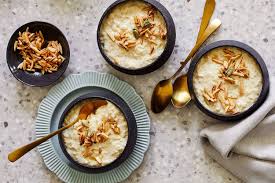
Sheer khorma is a rich milk pudding. It’s made with vermicelli noodles. These are simmered in milk with sugar.
Cardamom is often used for flavor. Nuts like almonds and pistachios are added. Dates or raisins can also be included.
This dessert is creamy and flavorful. It’s a comforting and indulgent dish. It’s less about crispiness and more about smooth textures.
The aroma of cardamom and milk is very soothing. It’s a delightful way to end the meal.
The quality of milk used is important. Full-fat milk gives it a richer taste. Cooking it slowly allows the flavors to meld.
The nuts add a pleasant crunch. Sheer khorma is a classic for celebrations.
3. Fruit Chaat
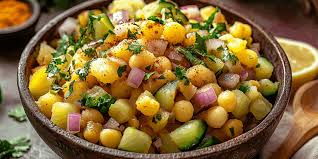
A simpler, healthier dessert option is fruit chaat. This is a mixed fruit salad. It’s usually tossed with a light, tangy dressing.
This dressing might include lemon juice, chaat masala, and a touch of sugar or honey.
It’s refreshing and packed with vitamins. It provides natural sweetness. The chaat masala adds a unique savory and spicy element.
It cuts through the richness of other Iftar items. It’s a light and palate-cleansing option.
Fruit Chaat Mix Ideas
- Fruits: Bananas, apples, guavas, oranges, grapes, papaya, melon.
- Dressing: Lemon juice, chaat masala, a pinch of salt, optional honey/sugar.
- Optional Add-ins: Pomegranate seeds, dried fruits.
Benefit: Hydrating and full of vitamins.
Using seasonal fruits makes fruit chaat even better. The variety of colors and textures makes it visually appealing. It’s a great way to incorporate more fresh produce into the Iftar meal.
Refreshing Drinks to Quench Thirst
Staying hydrated is crucial during Ramadan. After fasting, refreshing drinks are very welcome.
1. Sharbat (Sherbet)
Sharbat is a general term for sweet, flavored drinks. They are often made with fruit syrups or juices. Popular flavors include rose, tamarind, and lemon.
These are diluted with water. They can be served chilled. Some are sweetened with sugar, while others are naturally sweet.
A good sharbat is tangy and sweet. It helps to rehydrate the body quickly. The flavors are often bright and refreshing.
Rose sharbat has a floral aroma. Tamarind sharbat is tangy and slightly sour. Lemon sharbat is classic and zesty.
Popular Sharbat Flavors
- Rose: Fragrant and floral.
- Tamarind: Tangy and slightly sweet.
- Lemon/Lime: Zesty and refreshing.
- Bel (Wood Apple): Unique earthy and sweet flavor.
Base: Diluted with water, often chilled. Sweetened to taste.
Making sharbat from scratch is easy. It involves mixing syrup with water. Many families have their own special recipes.
These drinks are central to the Iftar experience.
2. Lassi
Lassi is a yogurt-based drink. It’s very popular in the Indian subcontinent. There are two main types: sweet and salty.
For Iftar, sweet lassi is more common.
Sweet lassi is made by blending yogurt with water or milk. Sugar is added for sweetness. It can be flavored with rose water or cardamom.
Sometimes, fruit like mango is added for mango lassi. It’s thick, creamy, and cooling.
Lassi Variations
- Sweet Lassi: Yogurt, sugar, water/milk.
- Mango Lassi: Sweet lassi with mango pulp.
- Salty Lassi: Yogurt, water, salt, cumin, sometimes mint.
Texture: Smooth, creamy, and refreshing. An excellent source of probiotics.
Lassi is not only delicious but also healthy. Yogurt is good for digestion. It provides calcium and protein.
It’s a satisfying drink that helps replenish lost fluids and nutrients.
Practical Tips for Preparing Your Iftar
Preparing an Iftar spread can seem daunting. Here are some tips to make it easier.
- Plan Ahead: Decide your menu a few days in advance. This helps with grocery shopping.
- Prep Ingredients: Chop vegetables, make batters, or prepare fillings the day before. This saves time on the day of.
- Batch Cooking: Many fried items can be made ahead and reheated. Some curries, like ghugni, taste even better the next day.
- Delegate Tasks: If you have family members helping, assign specific dishes or tasks. Cooking can be a team effort.
- Keep it Simple: You don’t need to make everything from scratch. Store-bought items can supplement your homemade dishes.
- Focus on Balance: Ensure your spread includes a mix of snacks, proteins, and refreshing drinks.
It’s also important to remember the spirit of Ramadan. The focus is on spiritual reflection and community. The food is a part of that, but it’s not the only part.
Don’t stress too much about perfection.
What to Consider for a Healthier Iftar
While traditional Iftar recipes Bangladesh are delicious, they can be heavy. Here are ways to make your Iftar healthier.
Healthier Iftar Choices
- Bake instead of Fry: Try baking samosas or vegetable cutlets instead of deep-frying.
- Control Portion Sizes: Enjoy a variety of items, but eat in moderation.
- Increase Fruits and Vegetables: Add more fruit chaat, salads, or fresh fruit platters.
- Choose Whole Grains: If serving bread, opt for whole wheat if possible.
- Limit Sugary Drinks: Opt for water, fresh fruit juices without added sugar, or unsweetened lassis.
- Healthy Fats: Use good quality oil for frying and use it sparingly.
Hydration: Drink plenty of water throughout the non-fasting hours.
Making small adjustments can make a big difference. The goal is to feel energized, not sluggish, after Iftar.
Frequently Asked Questions About Bangladeshi Iftar
What are the most common Iftar dishes in Bangladesh?
The most common Iftar dishes include fried snacks like beguni (eggplant fritters) and peyaji (onion fritters), samosas (shingara), ghugni (yellow pea curry), haleem, and various sweet items like jalebi and sheer khorma. Refreshing drinks like sharbat and lassi are also essential.
Is it important to break fast with dates?
Yes, it is highly recommended and considered Sunnah (practice of the Prophet Muhammad, peace be upon him) to break fast with dates. Dates are rich in natural sugars and provide quick energy, which is beneficial after a day of fasting.
How can I make Iftar recipes healthier?
You can make Iftar recipes healthier by opting for baking over frying, increasing the amount of fruits and vegetables, controlling portion sizes, choosing whole grains, and limiting sugary drinks. Hydration with water is also key.
Are there any vegetarian Iftar options?
Absolutely! Many popular Iftar dishes are vegetarian, such as beguni, peyaji, shingara (with potato filling), ghugni, chola bhuna, fruit chaat, and most sweet items like jalebi and sheer khorma (if made without meat broth).
What is the difference between Ghugni and Chola Bhuna?
Both are made from legumes and spiced. Ghugni is typically made from yellow peas (matar) and has a softer, more curry-like consistency. Chola Bhuna is usually made from chickpeas and is often stir-fried with spices and aromatics, resulting in a slightly firmer texture.
Can I prepare Iftar dishes in advance?
Yes, many Iftar dishes can be prepared in advance. Batters for fried snacks can be made a few hours ahead. Fillings for samosas can be prepared the day before.
Curries like ghugni often taste better the next day. Fried items can be reheated before serving.
Conclusion
Exploring Iftar recipes Bangladesh offers a window into a rich culinary and cultural tradition. These dishes are more than just food. They represent family, community, and devotion.
From crispy fried snacks to sweet treats and refreshing drinks, each item plays a role. Preparing and sharing these meals is a beautiful way to connect during Ramadan. May your Iftar table be filled with delicious food and warm fellowship.