Traditional Bangladeshi food is a vibrant cuisine from Bangladesh, known for its rich use of rice, fish, lentils, and a wide array of spices. It reflects the country’s geography, history, and cultural influences, offering diverse flavors and textures.
What is Traditional Bangladeshi Food?
Traditional Bangladeshi food is a culinary art form. It comes from the land of Bengal. This region is famous for its rivers and fertile soil.
That’s why rice and fish are super important. They are staples in almost every meal. The food is known for its complex spice blends.
These blends create deep, layered flavors. It’s not just about heat. It’s about sweet, sour, bitter, and savory all working together.
The cooking methods are often simple but effective. They bring out the best in the fresh ingredients.
The history of Bangladeshi cuisine is long and varied. It has been shaped by many cultures over time. Think of the Mughals, the British, and local traditions.
Each left its mark. This mix created a unique food identity. Spices like turmeric, cumin, coriander, and chili are key.
They are used generously. Mustard oil is also a very common cooking fat. It gives a distinct pungent flavor that many love.
It’s more than just meals. Food is central to social gatherings. Special dishes are made for festivals like Eid.
Family meals are often long and communal. Sharing food is a big part of life. The presentation of food can also be very appealing.
Bright colors from spices and fresh herbs make dishes look inviting. Every region within Bangladesh might have slight variations. But the heart of the cuisine stays the same: delicious, wholesome, and made with care.
My First Taste of a Bangladeshi Feast
I remember this one time, years ago, visiting a friend’s family in Dhaka. It was my first trip to Bangladesh. I thought I knew a lot about food.
But what they put in front of me that evening blew me away. The table was full. There were bowls of steaming rice.
There were curries in so many colors. One smelled sweet and tangy. Another was deep red and rich.
A whole fish, fried to perfection, sat in the middle. My friend’s mom, a tiny woman with the kindest eyes, just smiled. She said, “Try everything.
This is our home.”
I felt a little overwhelmed. I picked up my spoon and took a bite of a lentil dish. It was earthy and comforting.
Then I tried a vegetable curry. It had a subtle sweetness with a hint of spice. The fried fish was crispy outside and flaky inside.
Each bite was an adventure. The flavors were so balanced. Nothing was too overpowering.
They used spices in a way I had never experienced. It felt like a hug in food form. That meal taught me that food is love.
It’s a powerful way to connect with people and their culture. I left feeling full, happy, and with a deep respect for this amazing cuisine.
Essential Bangladeshi Ingredients
Rice: The undisputed king. Mostly long-grain varieties like Basmati or local Chinigura. It’s served with almost every dish.
Fish: Bangladesh is the “land of fish.” Hilsa (Ilish) is the national fish. Rohu, Catla, and Pangas are also very popular.
Lentils (Dal): A variety of lentils are used. Masoor dal (red lentil) is common. They are cooked until soft and spiced.
Vegetables: A wide range. Eggplant, cauliflower, spinach, gourds, and potatoes are common. Often cooked in rich gravies.
Spices: Turmeric, cumin, coriander, chili powder, ginger, garlic, and mustard seeds are vital. Cardamom, cloves, and cinnamon add aroma.
Mustard Oil: A key cooking oil. It has a strong, unique flavor.
Herbs: Fresh cilantro (coriander leaves) and mint add brightness.
The Heart of Bangladeshi Flavors
What makes traditional Bangladeshi food so unique? It’s the way flavors are combined. They often play with contrasting tastes.
Sweet meets savory. Sour balances rich spices. Bitter notes are sometimes used carefully.
This creates a complex taste profile. It’s not usually about a single strong flavor. Instead, it’s a harmony of many.
This balance is key to its appeal.
The use of spices is artful. They don’t just add heat. They build layers of aroma and taste.
Ginger and garlic are a common base. Turmeric adds color and a subtle earthiness. Cumin and coriander bring warmth.
Chili provides heat, but often just enough to excite the palate. Cardamom, cloves, and cinnamon are used in richer dishes. They add a sweet, fragrant depth.
Mustard oil is another defining element. It has a sharp, pungent taste. When heated, it mellows but still gives a distinctive kick.
This oil is used for cooking many curries and fried items. It’s also sometimes used raw in salads or chutneys for a strong flavor.
The textures are also important. Rice is soft and fluffy. Lentils are creamy.
Curries can be thick and rich or lighter. Fried fish and fritters add a delightful crunch. This variety in texture keeps meals interesting and satisfying.
It’s this careful mix of flavors, aromas, and textures that defines the cuisine.
Common Spice Combinations
Panch Phoron: A classic five-spice blend. It includes fenugreek, nigella, cumin, mustard, and fennel seeds. Used whole for tempering oil.
Garam Masala: A warming blend often added at the end. Made with ground cinnamon, cardamom, cloves, and pepper.
Ginger-Garlic Paste: A fundamental base for most curries and meat dishes.
Turmeric and Chili: Essential for color and heat. Used in most savory preparations.
Exploring Iconic Bangladeshi Dishes
There are so many delicious dishes in Bangladesh. Some are famous worldwide. Others are beloved local treasures.
Let’s look at a few that truly represent the cuisine.
Ilish Macher Jhol (Hilsa Fish Curry)
This is perhaps the most iconic dish. Hilsa fish, known as Ilish, is a national treasure. It has a rich, oily texture and a distinct flavor.
The curry is usually light and tangy. It’s often cooked with mustard paste, green chilies, and turmeric. Sometimes onions and tomatoes are added.
The gravy is thin, perfect for soaking up with rice. Eating Ilish is considered a special treat. It’s a dish that evokes strong feelings of home and nostalgia for many Bangladeshis.
Kacchi Biryani
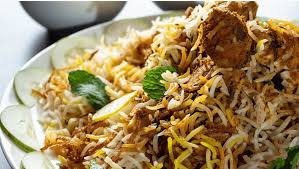
Biryani is popular across South Asia. The Bangladeshi style, especially Kacchi Biryani, has its own charm. In Kacchi, the raw meat and rice are cooked together.
This allows the flavors to meld beautifully. It’s made with long-grain basmati rice. The rice is flavored with saffron, kewra water, and rose water.
Tender pieces of lamb or beef are layered with the rice. Potatoes and sometimes boiled eggs are added. It’s slow-cooked until everything is perfectly tender and fragrant.
This dish is a centerpiece for celebrations and special gatherings.
Dal
Lentils, or dal, are a daily essential. Masoor dal, the red lentil, is most common. It’s cooked until very soft.
Then it’s tempered with spices like cumin seeds, mustard seeds, garlic, and dried red chilies in hot ghee or oil. This simple preparation is incredibly comforting. It’s eaten with rice, fish, and vegetables.
Different types of dal can be used. Each offers a slightly different taste and texture. It’s a healthy and filling part of any meal.
Shorshe Ilish (Hilsa in Mustard Gravy)
This is a variation of the Ilish curry. Here, mustard paste is the star. It gives the curry a creamy texture and a spicy, pungent flavor.
Green chilies are often ground with the mustard seeds. This dish is intensely flavored and pairs perfectly with plain white rice. The sharp taste of mustard oil and mustard seeds is balanced by the rich, oily fish.
It’s a true test of a Bangladeshi cook’s skill.
Bhaji/Bhajiya
These are vegetable dishes. Bhaji refers to stir-fried vegetables. They are often cooked with onions, garlic, and simple spices like turmeric and cumin.
Popular vegetables include spinach (palong shak), cauliflower, and eggplant. Bhajiya are vegetable fritters. Sliced vegetables like onions (peyaju) or potatoes are dipped in a spiced chickpea flour batter and deep-fried.
They are crispy, savory snacks or side dishes.
Chingri Malaikari (Shrimp Curry)
This is a rich and creamy curry. It uses large shrimp. The gravy is made with coconut milk, onions, ginger, garlic, and mild spices.
Turmeric and a touch of chili powder add color. The sweetness of the coconut milk complements the delicate shrimp. It’s a luxurious dish often served on special occasions.
The subtle flavors allow the natural sweetness of the shrimp to shine.
Pitha
Pithas are traditional Bangladeshi sweets and savory cakes. They are made from rice flour, flour, or other grains. They come in countless varieties.
Some are steamed, some are fried, and some are baked. Popular sweet pithas include Patishapta (crepes filled with coconut or kheer) and Malpua (sweet pancakes). Savory pithas might contain spiced lentils or vegetables.
Pithas are particularly popular during winter and festivals like Poush Sankranti.
Quick Scan: Popular Bangladeshi Staples
| Dish Type | Main Ingredient | Flavor Profile | Occasion |
|---|---|---|---|
| Ilish Macher Jhol | Hilsa Fish | Tangy, Spicy, Savory | Everyday to Special |
| Kacchi Biryani | Lamb/Beef, Rice | Aromatic, Rich, Spiced | Celebrations |
| Masoor Dal | Red Lentils | Earthy, Comforting | Daily Meal |
| Shorshe Ilish | Hilsa Fish | Pungent, Spicy, Rich | Special Treat |
| Chingri Malaikari | Shrimp, Coconut Milk | Creamy, Sweet, Mildly Spiced | Special Occasions |
Regional Variations and Influences
While there’s a core of traditional Bangladeshi food, regional differences exist. Bangladesh has distinct geographical zones. This affects local produce and cooking styles.
In the coastal areas, seafood is even more prominent. Fish curries are prepared with fresh catches daily. The Sylhet region in the northeast has unique spices and influences.
They might use more whole spices and have distinct meat preparations.
The Mymensingh region is known for its rich dairy products. This can translate into richer, creamier desserts and curries. The Chittagong region, with its port history, shows some influences from Southeast Asia.
This might appear in the use of certain spices or cooking techniques.
Historically, the Mughal Empire had a big impact. This is seen in the love for biryanis and rich meat dishes. The British colonial era also left its mark, though less pronounced in core flavors.
It mostly affected the availability of certain ingredients or cooking tools.
What’s fascinating is how these influences blend. A dish might have Mughal roots but be adapted with local Bengali spices and techniques. The result is a cuisine that is both rooted and ever-evolving.
It’s a testament to the adaptability and richness of Bangladeshi culture.
The Role of Rice and Lentils
It’s impossible to talk about traditional Bangladeshi food without focusing on rice and lentils. They are the foundation of most meals. Rice is not just a side dish.
It’s the canvas upon which the flavors of curries and other accompaniments are painted.
Different types of rice are used. Long-grain varieties like Basmati are popular for special dishes like biryani. For everyday meals, local varieties like Chinigura are common.
They are often cooked until soft and slightly sticky, perfect for scooping up gravy. The preparation of rice is also an art. It should be perfectly cooked – not mushy, not hard.
It needs to be flavorful and aromatic, especially when fragrant basmati is used.
Lentils, or dal, provide essential protein. They are prepared in many ways. The simplest is a plain, well-cooked dal.
Others are more elaborate. They might include vegetables like spinach or pumpkin. Some dals are spiced heavily.
Others are tempered with a rich mixture of spices fried in ghee. This daily consumption of dal makes the diet balanced and nutritious.
Together, rice and dal create a complete protein. They are filling and provide sustained energy. For many Bangladeshis, a meal is incomplete without both.
They are the humble heroes of the plate. Their preparation is straightforward but vital to the overall taste experience.
Dal Preparation Styles
Sada Dal: Plain cooked lentils, often just seasoned with salt and turmeric. Tempered at the end.
Bhaji Dal: Lentils cooked with vegetables like spinach, pumpkin, or gourds.
Dal Masoor: Red lentils cooked until very soft and creamy.
Dal Chana: Yellow split peas, offering a nuttier flavor.
Sweet Endings: Bangladeshi Desserts (Misti)
No discussion of traditional Bangladeshi food is complete without mentioning its sweets, known as Misti. Bangladeshi desserts are often incredibly sweet. They are a celebration of milk, sugar, and sometimes rice flour.
Rasgulla is a famous one. It’s made from fresh cheese curds (chenna) that are shaped into balls. These balls are then cooked in a light sugar syrup.
They are spongy and absorb the sweet syrup beautifully.
Rasmalai is similar but richer. It’s made from chenna discs that are poached. Then they are soaked in thickened, sweetened milk flavored with cardamom and saffron.
It’s a decadent treat.
Chomchom is another popular sweet. It’s made from chenna, often mixed with semolina or flour. It’s cooked in syrup until it develops a slightly chewy texture.
It comes in various colors, sometimes tinted pink or yellow.
Sandesh is a drier, fudge-like sweet. It’s made from chenna and sugar. It can be flavored with various ingredients like rose water, cardamom, or fruits.
It’s often shaped into decorative forms.
And of course, Pitha, which we mentioned earlier, includes a vast category of traditional sweets and cakes. These are especially popular in cooler months and during festivals. They showcase the ingenuity of using simple ingredients like rice flour and coconut to create delightful treats.
These sweets are a vital part of celebrations. They are offered to guests. They are exchanged during festive occasions.
They represent joy and hospitality. The intense sweetness is a hallmark. It’s a taste that is deeply cherished.
Types of Misti
Milk-based: Rasgulla, Rasmalai, Khoya Kheer.
Cheese-based (Chenna): Chomchom, Sandesh, Kalojam.
Flour/Rice-based: Pitha (various types), Malpua.
Other: Doi (yogurt), Halwa.
What This Means for Your Kitchen
So, what does understanding traditional Bangladeshi food mean for you? It means opening your mind and palate to a world of incredible flavors. It’s about appreciating food that is deeply connected to its land and people.
When you try to cook Bangladeshi dishes, remember a few things. Use fresh ingredients. Don’t be afraid of spices, but use them thoughtfully to build layers.
Mustard oil can add a unique touch, but start small if you’re new to it. The core idea is balance. Sweet, sour, spicy, savory – they should all work together.
Don’t worry about perfection. Bangladeshi cooking, like any home cooking, is about love and care. If you’re making a lentil dish, cook it until it’s soft and comforting.
If you’re making a fish curry, let the spices mingle well with the fish. The goal is deliciousness and satisfaction.
You don’t need fancy equipment. Simple pots and pans will do. The magic comes from the ingredients and the time you put in.
Think of the dishes as stories. Each one tells a tale of culture, family, and tradition. Enjoy the process of cooking and sharing these wonderful meals.
Simple Checks for Bangladeshi Cooking
Spice Balance: Taste as you go. Is it too hot? Too bland?
Adjust gradually.
Rice Texture: Ensure your rice is perfectly cooked – fluffy and separated.
Dal Consistency: Dal should be smooth and creamy, not watery or lumpy.
Freshness: Use fresh herbs like cilantro for garnish. Fresh ginger and garlic are key.
Quick Tips for Enjoying Bangladeshi Food
If you’re looking to enjoy traditional Bangladeshi food, here are some tips:
- Visit a Bangladeshi Restaurant: Look for authentic restaurants in your area. Ask the staff for recommendations.
- Try Different Dishes: Don’t just stick to one or two. Explore the variety of curries, dals, and rice dishes.
- Pair with Rice: Bangladeshi food is best enjoyed with steamed rice, which acts as a perfect neutral base.
- Don’t Forget the Sides: Raita (yogurt dip) or fresh salads can offer a cooling contrast to spicy dishes.
- Explore Sweets: If you have a sweet tooth, be sure to try some of the traditional Misti.
- Cook at Home: Find simple recipes online and try making a dish yourself. It’s a rewarding experience.
Frequently Asked Questions About Bangladeshi Food
What is the most famous Bangladeshi dish?
The most famous Bangladeshi dish is arguably Ilish Macher Jhol, a curry made with the national fish, Hilsa. Kacchi Biryani is also extremely popular and well-known worldwide.
Is Bangladeshi food very spicy?
Bangladeshi food uses spices generously for flavor and aroma. While some dishes can be quite spicy due to chilies, many focus on a complex balance of flavors rather than just heat. You can often adjust chili levels when cooking at home.
What are the main ingredients in Bangladeshi cooking?
The main ingredients include rice, various types of fish, lentils (dal), a wide range of vegetables, and a rich assortment of spices like turmeric, cumin, coriander, and chili. Mustard oil is a characteristic cooking medium.
Is there a difference between Bangladeshi and Indian food?
Yes, while there are similarities due to shared history and geography, Bangladeshi food has its own distinct characteristics. It tends to use fish and rice more centrally than many parts of India. Specific spice blends, the prominence of mustard oil, and regional specialties like Ilish Macher Jhol set it apart.
What is “Misti” in Bangladeshi cuisine?
Misti refers to sweets or desserts in Bangladeshi cuisine. They are often very sweet and made from milk, cheese curds (chenna), rice flour, and sugar. Popular examples include Rasgulla, Rasmalai, and Chomchom.
Can I find vegetarian options in traditional Bangladeshi food?
Absolutely. While fish and meat are common, there are many delicious vegetarian options. Lentil dishes (dal), various vegetable stir-fries (bhaji), and vegetable curries are staples.
Many pithas can also be made without meat or fish.
Final Thoughts on Bangladeshi Cuisine
Exploring traditional Bangladeshi food is a journey into a world of vibrant tastes. It’s a cuisine that celebrates its natural bounty. It showcases a deep understanding of spices and balance.
Every dish tells a story of culture and community. It’s food meant to be shared and savored. Enjoy discovering its many delicious layers.