It can feel overwhelming when you’re trying to find truly tasty meals that don’t include meat. Maybe you’re exploring a plant-based lifestyle, looking for lighter options, or simply want to try something new. You want dishes that are full of flavor, use fresh ingredients, and are easy enough to make at home.
That’s exactly what we’re diving into today.
Bangladeshi vegetarian recipes offer a vibrant spectrum of flavors and textures. They use fresh vegetables, aromatic spices, and staple grains to create satisfying meat-free meals. These dishes highlight the natural goodness of produce with simple preparation methods and bold spice blends.
They are perfect for everyday eating and special occasions.
Understanding Bangladeshi Vegetarian Cuisine
Bangladeshi food is known for its wonderful use of spices. Many dishes are naturally vegetarian or can be easily made that way. The focus is often on fresh, seasonal vegetables.
These are cooked with a blend of spices like turmeric, cumin, coriander, and chili. Lentils and rice are also very important. They form the base of many meals.
Vegetarian cooking in Bangladesh doesn’t mean boring food. It’s about creativity. It uses simple ingredients to make amazing flavors.
Many recipes are passed down through families. They are part of a rich cooking tradition. These recipes are often healthy too.
They are packed with vitamins and fiber from the vegetables and legumes.
You’ll find many different kinds of vegetables used. Think leafy greens like spinach or mustard greens. Also, root vegetables like potatoes and carrots.
Gourds, eggplant, okra, and cauliflower are also popular. Each vegetable brings its own unique taste and texture to a dish. The way they are spiced makes them special.
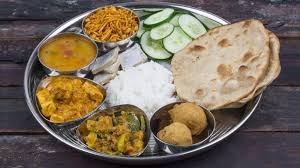
Rice is a staple food. It’s served with almost every meal. Many main dishes are curries or stews made with vegetables and lentils.
These are often served with plain rice. Flatbreads like roti or paratha are also common. They are great for scooping up the rich sauces.
My First Foray into Bangladeshi Vegetarian Cooking
I remember one evening, I was determined to make something new. I had a bunch of spinach and some red lentils. My friend, who is from Bangladesh, had shared some basic spice ideas.
I started looking for a recipe. Most of the ones I found online seemed a bit complex for a weeknight. I felt a little lost.
I decided to just try. I chopped some onions and garlic. I heated some oil in a pan.
Then I added cumin seeds. They popped and smelled so good. I added the onions and cooked them until they were soft and golden.
Then came the spices: turmeric, a little chili powder, and some coriander. The kitchen started to smell amazing.
I added the lentils and the spinach. I poured in some water. I let it simmer.
It didn’t look like much at first. But as it cooked, the lentils softened. The spinach wilted down.
The flavors started to meld. When I finally tasted it, I was surprised. It was so flavorful and comforting.
It wasn’t complicated at all. That’s when I realized how accessible and delicious these dishes could be.
Essential Bangladeshi Spices
These are the heart of the flavor:
- Cumin Seeds: Earthy and warm.
- Coriander Seeds: Citrusy and mild.
- Turmeric Powder: Adds color and a subtle peppery taste.
- Mustard Seeds: Pungent, often tempered in hot oil.
- Garam Masala: A blend of warming spices like cinnamon, cardamom, and cloves.
- Chili Powder: For a touch of heat.
Popular Bangladeshi Vegetarian Staples
There are some dishes that are very common. They are loved by many. These are often the first recipes people learn.
Dal (Lentil Stews)
Dal is a cornerstone of Bangladeshi cuisine. It’s essentially a lentil soup or stew. There are many types of lentils used.
Each one gives a slightly different texture and taste. Red lentils cook down quickly and make a creamy dal. Yellow lentils are also common.
Green lentils hold their shape more.
A simple dal is often made with just lentils, water, turmeric, and salt. It’s tempered at the end with spices like cumin seeds, dried chilies, and garlic fried in oil or ghee. This tempering, called “tarka” or “tadka,” adds a wonderful aroma and depth of flavor.
It’s amazing how a few simple steps can transform plain lentils.
More complex dals can include vegetables like spinach, squash, or eggplant. They might also have ginger, onions, and tomatoes. These variations make dal a complete and satisfying meal, especially when served with rice or roti.
It’s comfort food at its best.
Shak Bhaji (Sautéed Greens)
Shak bhaji refers to dishes made with leafy greens. Spinach is very popular. Mustard greens, amaranth leaves, and other local greens are also used.
The preparation is usually simple. It focuses on bringing out the natural flavor of the greens.
Typically, the greens are washed well and chopped. They are then sautéed with onions, garlic, and green chilies. Sometimes mustard seeds are added for a bit of a kick.
A pinch of salt is usually all that’s needed. Some people might add a little turmeric for color. The goal is to cook the greens until they are tender but not mushy.
This dish is a fantastic way to eat your greens. It’s quick to make and very healthy. It complements richer curries beautifully.
It also makes a light meal on its own with rice or roti. The fresh taste of the greens is a welcome contrast to spicier dishes.
Shak Bhaji Quick Guide
Greens: Spinach, Mustard Greens, Amaranth, Fenugreek Leaves
Aromatics: Onion, Garlic, Green Chilies
Flavor Boost: Cumin Seeds, Mustard Seeds (optional)
Seasoning: Salt to taste
Method: Sauté aromatics, add greens, cook until tender.
Sabzi (Mixed Vegetable Dishes)
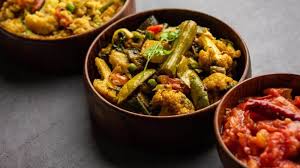
Sabzi is a general term for vegetable dishes. These can be dry stir-fries or saucy curries. They often feature a mix of vegetables.
This allows for a variety of textures and nutrients in one dish.
Common combinations include potatoes, cauliflower, peas, and carrots. Eggplant, okra, and gourds are also frequent additions. The spices used can vary widely.
Some sabzis are mild and fragrant. Others are spicier and more robust.
A popular style involves cooking the vegetables with ginger, garlic, onions, and a blend of ground spices. Tomatoes are often added for a bit of tanginess. Coconut milk or yogurt might be used in some recipes to add creaminess.
These dishes are versatile. They can be served as a side or a main course.
Paneer Dishes
While paneer (a type of fresh cheese) isn’t traditionally a native Bangladeshi ingredient, it has become very popular in vegetarian cooking there. It’s often used in rich, flavorful curries. Paneer holds its shape well when cooked.
It absorbs the flavors of the sauce.
Paneer curries often feature creamy tomato-based sauces. Spices like turmeric, cumin, coriander, and garam masala are used. Onions, ginger, and garlic form the flavor base.
Cashews or almonds are sometimes ground into a paste to make the sauce richer. Fresh cream or yogurt can also be added.
Dishes like Paneer Butter Masala or Palak Paneer (paneer in spinach sauce) are favorites. These are often considered special occasion dishes. They are hearty and satisfying.
They provide a good source of protein for vegetarians.
Sabzi Contrast: Normal vs. Concerning
| Normal Presentation | Concerning Presentation |
| Bright, natural colors of vegetables. | Dull, muddy colors. |
| Slight crispness or tender bite in vegetables. | Mushy, overcooked texture. |
| Aromatic spices evident but not overpowering. | Greasy or oily appearance. |
| Fresh, clean smell. | Sour or unpleasant odor. |
Exploring Flavor Profiles
Bangladeshi vegetarian food is all about balancing flavors. You’ll find a mix of sweet, sour, salty, and spicy notes. This complexity makes the food exciting.
The Role of Spices
Spices are not just for heat. They are used to add depth, aroma, and color. Turmeric gives a beautiful yellow hue.
Cumin adds earthiness. Coriander provides a citrusy note. Garam masala brings warmth.
Chili powder gives heat. Fenugreek seeds add a unique bitter-sweetness.
The way spices are used is also important. Whole spices like cumin seeds or mustard seeds are often “tempered” in hot oil. This releases their essential oils and aroma.
Ground spices are usually added after aromatics like onions and garlic are sautéed. They are cooked briefly to enhance their flavor.
Fresh aromatics like ginger and garlic are crucial. They form the base of many flavor profiles. Green chilies add a fresh heat.
They are often used whole or slit, allowing their flavor to infuse the dish without making it too spicy for everyone.
Sweet and Sour Touches
Some dishes incorporate a touch of sweetness or sourness. This is often achieved with ingredients like tomatoes, tamarind, or sometimes a little sugar. These elements balance the richness and spice of the dish.
They make the flavors more complex and interesting.
For example, a vegetable curry might have a bit of tang from tomatoes. Or a lentil dish might have a hint of sweetness from carrots. This balance is key to what makes Bangladeshi food so appealing.
It prevents any one flavor from dominating.
Flavor Balancing Act
Spice: Heat from chilies.
Aroma: Warmth from cumin, coriander, garam masala.
Freshness: Brightness from ginger, garlic, green chilies.
Tang: Acidity from tomatoes, tamarind.
Sweetness: Subtle notes from onions, carrots, a touch of sugar.
Savory: Umami from lentils, vegetables.
The Importance of Rice
In Bangladesh, rice is more than just a side dish. It’s a staple that accompanies nearly every meal. Different types of rice are used.
Basmati rice is popular for its fragrance and long grains. Short-grain rice is also common. Rice is often cooked plain, but it can also be flavored with spices.
The fluffy texture of plain white rice is perfect for soaking up the rich sauces of curries and dals. It acts as a neutral base. This allows the complex flavors of the main dishes to shine.
Eating rice with your hands is also a common practice, which some people find enhances the dining experience.
For vegetarian meals, rice is essential. It provides the energy and substance needed to make a meal satisfying. It’s also a great way to enjoy simpler vegetable dishes, as the rice can carry their flavors.
Cooking rice perfectly is a skill that many home cooks master.
Cooking Bangladeshi Vegetarian Dishes at Home
You don’t need fancy equipment or rare ingredients to make these meals. Many recipes are quite simple. The key is to have a good selection of basic spices.
Simple Lentil and Spinach Dal Recipe
This is a great starting point. It’s nourishing and quick.
You will need:
- 1 cup red lentils (masoor dal)
- 4 cups water
- 1/2 teaspoon turmeric powder
- Salt to taste
- 1 tablespoon oil or ghee
- 1 teaspoon cumin seeds
- 2 cloves garlic, thinly sliced
- 2-3 dried red chilies
- 2 cups fresh spinach, chopped
Instructions:
- Rinse the lentils well.
- In a pot, combine rinsed lentils, water, turmeric, and salt.
- Bring to a boil, then reduce heat and simmer for 15-20 minutes, or until lentils are soft and mushy.
- While the dal simmers, heat oil or ghee in a small pan over medium heat.
- Add cumin seeds. Let them splutter.
- Add sliced garlic and dried chilies. Fry until garlic is golden. Be careful not to burn.
- Add the chopped spinach to the simmering dal. Stir and cook for 2-3 minutes until wilted.
- Pour the tempered spices (tarka) over the dal.
- Mix well and serve hot with rice or roti.
Dal Tarka Explained
What it is: A finishing touch for lentils. It’s spices fried in oil or ghee.
Why it’s important: Adds incredible aroma and a burst of flavor.
Common ingredients: Cumin seeds, mustard seeds, garlic, ginger, dried chilies, curry leaves.
How it’s done: Heat fat, add whole spices, let them sizzle, then pour over the dish.
Easy Aloo Gobi (Potato and Cauliflower Curry)
This is a classic comfort dish. It’s hearty and flavorful.
Ingredients:
- 1 medium cauliflower, cut into florets
- 2 medium potatoes, peeled and cubed
- 1 large onion, chopped
- 2 tomatoes, chopped
- 1 tablespoon ginger-garlic paste
- 1 teaspoon cumin powder
- 1 teaspoon coriander powder
- 1/2 teaspoon turmeric powder
- 1/4 teaspoon red chili powder (or to taste)
- Salt to taste
- 2 tablespoons oil
- Fresh cilantro for garnish
Steps:
- Heat oil in a large pan or pot over medium heat.
- Add chopped onion and cook until golden brown.
- Add ginger-garlic paste and sauté for a minute.
- Add cumin powder, coriander powder, turmeric powder, and red chili powder. Stir and cook for 30 seconds.
- Add chopped tomatoes and salt. Cook until tomatoes soften and oil starts to separate.
- Add potato cubes and cauliflower florets. Mix well to coat them with the spice mixture.
- Pour in about 1/2 cup of water. Cover and simmer for 15-20 minutes, or until vegetables are tender. Stir occasionally.
- If the mixture becomes too dry, add a little more water.
- Once vegetables are cooked, the curry should be thick.
- Garnish with fresh cilantro and serve hot with rice or roti.
Vegetable Prep Tips
Cauliflower: Cut into bite-sized florets. Ensure no green leaves are attached.
Potatoes: Peel and cube evenly. Soaking in water can prevent browning and remove excess starch.
Onions: Dice finely for a smoother base. Medium dice is fine too.
Tomatoes: Chopped or pureed. Ripe tomatoes give the best flavor.
Ginger-Garlic Paste: You can buy it or make it fresh. Equal parts ginger and garlic blended.
Tips for Success
Fresh Ingredients: Use the freshest vegetables you can find. This makes a big difference.
Spice Balance: Start with the lower amount of chili powder. You can always add more.
Don’t Rush: Let the spices cook a bit before adding vegetables. This deepens the flavor.
Taste and Adjust: Always taste your food before serving. Adjust salt or spice as needed.
Patience with Tempering: When frying spices for tarka, watch them closely. They can burn quickly.
Real-World Context and Adaptations
These recipes are designed for home kitchens. They use common ingredients found in most U.S. grocery stores.
You might find some specialty spices at an Indian or South Asian grocery store. But many basics are readily available.
Adapting for Different Diets
These recipes are already vegetarian. Many are also naturally vegan. To make a dish vegan, simply use oil instead of ghee (clarified butter).
Ensure any dairy products like yogurt or cream are
Gluten-free eaters will find most Bangladeshi vegetarian dishes are safe. Rice is naturally gluten-free. Lentils and vegetables are too.
Bread like roti might contain gluten. However, many are made with whole wheat flour. Rice is always a great gluten-free accompaniment.
Everyday vs. Special Occasion
Simple dal and shak bhaji are perfect for busy weeknights. They are quick to prepare and very healthy. Aloo gobi is also fairly straightforward.
More elaborate dishes, like rich paneer curries or complex vegetable biryanis, might be reserved for weekends or special gatherings. These often involve more steps and longer cooking times.
Quick Scan: Spices You Might Need
Must-Haves:
- Cumin (seeds and ground)
- Coriander (seeds and ground)
- Turmeric Powder
- Garam Masala
- Red Chili Powder
Nice-to-Haves:
- Mustard Seeds
- Fenugreek Seeds
- Cardamom Pods
- Cinnamon Sticks
What This Means for Your Kitchen
Learning these recipes opens up a world of flavor. You can add exciting new dishes to your meal rotation. They are healthy, often affordable, and incredibly satisfying.
When It’s Normal to See These Flavors
It’s normal to encounter these dishes in Bangladeshi households. You’ll find them at restaurants specializing in South Asian cuisine. They are also a great choice for potlucks or family dinners where you want a hearty vegetarian option.
The vibrant colors, fragrant aromas, and complex tastes are all hallmarks of authentic cooking. Don’t be intimidated by the spice names. Most are easy to find and use.
When to Be More Cautious
If a dish smells off, looks muddy, or has an unpleasant taste, it might be spoiled. This is rare with well-cooked dishes but can happen with ingredients. Always use fresh produce.
Be mindful of your spice tolerance. Start mild with chili powder. You can always increase it.
If you have allergies, check ingredients carefully. Most recipes are customizable.
Quick Tips for Delicious Results
Here are some simple things to remember:
- Bloom your spices: Sautéing whole spices in oil before adding other ingredients releases their best flavor.
- Don’t overcook greens: Leafy greens cook very quickly. Cook them just until wilted for the best texture and nutrition.
- Layer your flavors: Build flavor by sautéing onions, then ginger-garlic, then spices, then tomatoes.
- Fresh herbs are key: A sprinkle of fresh cilantro at the end adds brightness.
- Serve with rice: Plain steamed rice is the perfect canvas for these flavorful dishes.
Frequently Asked Questions
Are Bangladeshi vegetarian recipes healthy?
Yes, they are often very healthy. They focus on fresh vegetables, lentils, and wholesome grains. Many are naturally low in fat and packed with fiber and nutrients.
Spices also offer health benefits. Just be mindful of oil and cream content in richer dishes.
Can I make these dishes less spicy?
Absolutely. You can reduce or omit the chili powder entirely. For a milder heat, use fewer dried red chilies when tempering.
You can also remove the seeds from fresh green chilies before adding them.
What kind of lentils are used in Bangladeshi cooking?
Common lentils include masoor dal (red lentils), moong dal (yellow lentils), and chana dal (split chickpeas). Red lentils cook down to a creamy texture, while yellow lentils are milder. Split chickpeas are firmer.
Where can I find special Bangladeshi ingredients?
Many common spices like cumin, coriander, and turmeric are in regular supermarkets. For specialty items like specific types of lentils or fresh curry leaves, visit an Indian or South Asian grocery store. Online retailers also offer a wide selection.
How do I store leftover Bangladeshi vegetarian food?
Leftovers can be stored in an airtight container in the refrigerator for 3-4 days. Reheat gently on the stovetop or in the microwave. Some dishes, like dals, might thicken when cold and need a little water added when reheating.
Are these recipes suitable for beginners?
Yes, many are perfect for beginners. Simple dal and basic vegetable stir-fries are very forgiving. Start with simpler recipes and gradually explore more complex ones as you gain confidence.
The key is to have the basic spices ready.
Bringing Bangladeshi Flavors Home
Exploring Bangladeshi vegetarian recipes is a rewarding journey. It’s about discovering new tastes and learning simple techniques. These dishes are full of life and flavor.
They prove that vegetarian food can be incredibly exciting and satisfying. Enjoy bringing these vibrant meals to your table!