Making delicious Bengali sweets at home can feel like a big task. Many people worry about complicated steps or hard-to-find ingredients. They see beautiful sweets in shops and think it’s beyond their reach.
But what if I told you that with a few simple tricks, you can recreate these amazing flavors right in your own kitchen?
Making authentic Bangla desserts is simpler than you think. This guide breaks down popular Bengali sweet recipes, focusing on easy-to-find ingredients and clear, step-by-step instructions. You’ll learn the secrets to perfectly soft Rasgullas, rich Gulab Jamuns, and creamy Sondesh, turning your kitchen into a sweet shop.
The Heart of Bangla Desserts
Bangla desserts, often called “mishti,” are a huge part of Bengali culture. They are served at almost every celebration, from weddings to holidays. They are also a daily treat for many.
These sweets are known for their rich flavors and often creamy textures.
What makes them special? It’s usually simple ingredients like milk, sugar, and flour. Spices like cardamom often add a warm, inviting aroma.
The process itself is a kind of art. It needs a gentle touch and patience.
These sweets are not just food. They are expressions of love and hospitality. Sharing a sweet treat is a way to connect with others.
Making them yourself brings a special kind of joy. It’s a way to share a piece of Bengali tradition with your loved ones.
My First Mishti Mishap
I remember the first time I tried to make Rasgulla. I was maybe 15. My grandma had given me her “secret” recipe.
It looked so easy on paper. I had all the ingredients ready: milk, lemon juice, sugar. I curdled the milk, thinking I was a pro.
Then came the straining part. I must have squeezed too hard, because all I got was a dry, crumbly mess. It looked nothing like the soft, spongy balls in the picture.
Panic set in. My parents were coming home soon, and I had promised them dessert! I remember staring at that sad pile of paneer, feeling totally defeated.
The kitchen smelled faintly of burnt sugar from a failed syrup attempt. It was a mess, both in the bowl and in my confidence. That day taught me that even simple recipes need care and the right touch.
Quick Scan: Key Mishti Ingredients
Milk
The base for many sweets. Full-fat milk works best.
Sugar
Sweetener. Granulated sugar is common. Jaggery is used too.
Lemon Juice/Vinegar
Used to curdle milk for paneer.
Semolina (Sooji)
Adds texture to some sweets like Gulab Jamun.
Cardamom
Aromatic spice. Ground or pods.
Rasgulla: The Spongy Delight
Rasgulla is a classic Bengali sweet. It’s made from soft, spongy balls of paneer (Indian cottage cheese) that float in a sweet syrup. It looks fancy but is surprisingly simple to make.
The magic happens when you curdle milk. You add a little acid, like lemon juice or vinegar. This separates the milk solids from the whey.
These milk solids are your paneer. You then drain this paneer very gently. The goal is to get it soft and moist, not dry.
Next, you form small balls from this paneer. These balls are then cooked. They are boiled in a sugary syrup.
During cooking, they puff up and become airy and soft. They absorb the sweet syrup, making them melt-in-your-mouth delicious. It’s a delicate process, but very rewarding.
How to Make Perfect Paneer for Rasgulla
The key to great Rasgulla is soft, pliable paneer. Over-kneading or squeezing too much moisture will make your Rasgullas hard. Don’t worry if your first attempt isn’t perfect.
It takes a little practice.
- Start with good quality milk. Whole milk gives the best results.
- Heat the milk gently. Do not let it boil over.
- Add lemon juice or vinegar a little at a time. Stir slowly.
- You’ll see the milk solids separate from the whey. Stop adding acid once this happens.
- Strain the curdled milk through a cheesecloth or fine sieve.
- Let it drain, but do NOT press it hard. Just let gravity do the work for a few minutes.
- You want the paneer to be moist. It should hold together when you gently press it.
Cooking Rasgullas in Syrup
The syrup is also important. It should be thin and not too thick. This allows the Rasgullas to cook and expand properly.
Some recipes add a little rose water or cardamom to the syrup for extra flavor.
- Prepare a sugar syrup in a wide, deep pan. Use about 1 cup of sugar to 3 cups of water.
- Bring the syrup to a boil.
- Gently place the paneer balls into the boiling syrup.
- Cover the pan. Let the Rasgullas cook.
- They will puff up and double in size. This usually takes about 10-15 minutes.
- Turn off the heat. Let them sit in the syrup.
- Serve them warm or chilled. They taste even better the next day!
Rasgulla Cheat Sheet
Problem: Hard Rasgullas
Cause: Squeezed paneer too dry. Over-kneaded dough.
Fix: Drain paneer gently. Knead dough only until it just comes together. Add a tiny bit of milk if too dry.
Problem: Rasgullas break while cooking
Cause: Paneer not firm enough. Syrup too thin.
Fix: Ensure paneer is firm but moist. Syrup should be a rolling boil when balls are added.
Gulab Jamun: The Sweet Syrupy Balls
Gulab Jamun is another beloved sweet, found across India, including Bengal. These are deep-fried dough balls that are then soaked in a sweet, fragrant syrup. They are incredibly rich and satisfying.
The dough for Gulab Jamun is usually made from milk powder. Some recipes use khoya (reduced milk solids). You mix this with a bit of flour, baking soda, and ghee (clarified butter).
This creates a soft dough.
You roll this dough into small, smooth balls. Then, you deep-fry them on low heat. This is crucial.
If the heat is too high, the outside will burn before the inside cooks. The fried balls should have a beautiful golden-brown color. After frying, they are immediately dropped into a warm, sweet syrup.
The syrup is often flavored with cardamom and rose water. The Gulab Jamuns soak up the syrup, becoming soft and juicy.
Tips for Frying Gulab Jamun
Frying is the most sensitive part of making Gulab Jamun. Getting it right makes a huge difference. Patience is key here.
- Always fry on low to medium heat.
- The oil should be warm, not smoking hot.
- Drop the balls gently into the oil. Do not overcrowd the pan.
- Stir them constantly as they fry. This ensures even browning.
- Remove them when they are a nice deep golden brown.
- Drain them well before putting them into the syrup.
Making the Perfect Syrup
The syrup for Gulab Jamun is usually thicker than Rasgulla syrup. It’s meant to coat the balls, not just be a thin liquid. The aroma is just as important as the taste.
- Use a mix of sugar and water. A common ratio is 2:1 sugar to water.
- Add crushed cardamom pods or a pinch of ground cardamom.
- A few drops of rose water can be added at the end.
- Boil the syrup until it reaches a slightly sticky consistency. It should coat the back of a spoon.
- Let the syrup cool slightly before adding the fried Gulab Jamuns.
- Soak them for at least 30 minutes, or preferably a few hours, for the best flavor and texture.
Gulab Jamun Contrast Matrix
Gulab Jamun must be fried on high heat to cook quickly.
Low, steady heat is essential for even cooking and golden color without burning.
The syrup must be very thick and gooey.
A slightly sticky syrup that coats the spoon is ideal. It should still be pourable.
Sondesh: The Creamy, Versatile Sweet
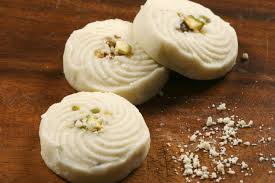
Sondesh is a drier, more cake-like sweet compared to Rasgulla or Gulab Jamun. It’s made from paneer, sugar, and often flavored with cardamom, rose, or fruits. Its texture can range from soft and crumbly to firm and moldable.
The process begins with making fresh paneer. Similar to Rasgulla, you curdle milk. However, for Sondesh, you want to cook the paneer slightly more.
You cook it until most of the moisture evaporates, resulting in a drier, crumbly texture.
This crumbly paneer is then mixed with sugar. You cook this mixture further, stirring constantly. This step is called “bhuna.” It reduces the moisture and caramelizes the sugar slightly.
This gives Sondesh its characteristic texture and flavor. Different types of Sondesh exist. Some are very simple, just paneer and sugar.
Others are enhanced with condensed milk, saffron, or nuts.
Variations of Sondesh
Sondesh is a blank canvas for creativity. There are countless ways to prepare it.
- Nolen Gur Sondesh: Uses date palm jaggery (nolen gur) instead of sugar. This gives a unique, caramel-like flavor. It’s a seasonal favorite in winter.
- Chocolate Sondesh: Cocoa powder or melted chocolate is added to the paneer mixture.
- Fruit Sondesh: Pureed fruits like mango or strawberries are mixed in.
- Kancha Golla: This is a very soft, uncooked version of Sondesh. It’s made from freshly drained paneer mixed with a little sugar and flavored.
Shaping and Decorating Sondesh
Sondesh is often shaped into decorative forms. Traditional molds are used, or the sweet can be hand-shaped. It can be rolled into balls or formed into squares and rectangles.
Decorations can be simple. A small piece of pistachio or almond on top is common. Some Sondesh are decorated with edible silver leaf (vark).
The presentation adds to the charm of this sweet.
Sondesh Making Steps
Step 1: Make Paneer
Curdle milk with lemon juice or vinegar. Drain well. Press to remove excess water, but keep it slightly moist.
Step 2: Cook Paneer with Sugar
In a pan, add the paneer and sugar. Cook on medium-low heat, stirring constantly. The mixture will start to leave the sides of the pan.
Step 3: Add Flavors
Stir in cardamom powder, rose water, or other flavorings. If making fruit sondesh, add fruit puree now.
Step 4: Shape and Set
Once the mixture thickens and forms a soft dough, remove from heat. Let it cool slightly. Shape into desired forms and decorate.
Chomchom: The Bright Red Delight
Chomchom is another popular Bengali sweet. It’s known for its reddish-orange color and slightly chewy texture. It’s often elongated and filled with mawa or coconut.
The base is made from chenna (similar to paneer). This chenna is kneaded with semolina and a little flour. It’s then formed into oblong shapes.
These are then cooked in syrup, much like Rasgulla.
The unique aspect of Chomchom is its color. After cooking in syrup, the balls are often dipped in a mixture that gives them their signature hue. Sometimes, saffron and a touch of food coloring are used.
The filling inside adds another layer of flavor and texture. This makes Chomchom a delightful treat that’s visually appealing.
Kala Jamun: The Darker Cousin of Gulab Jamun
Kala Jamun is like a richer, darker version of Gulab Jamun. The dough is made similarly, often with milk powder or khoya. However, the key difference lies in the frying process.
Kala Jamuns are fried at a lower temperature for a longer time. This makes them darker, almost blackish-brown. This slow frying caramelizes the sugars more intensely.
The result is a deeper, more complex flavor. After frying, they are soaked in a sweet syrup, which is usually less sweet than for regular Gulab Jamun.
The texture of Kala Jamun is denser and more moist than Gulab Jamun. It’s a truly decadent sweet, perfect for those who love intense flavors. It’s a testament to how small changes in cooking can create vastly different, yet equally delicious, results.
Beyond the Basics: Other Popular Bangla Sweets
The world of Bengali sweets is vast. These are just a few of the most common ones. Many other delicious treats exist, each with its own charm and preparation method.
- Pantua: Similar to Gulab Jamun, but often larger and uses chenna.
- Ledikeni: A fried sweet named after Lady Canning, a former Governor-General’s wife. It’s made with chenna and stuffed with khoya.
- Malai Chomchom: A variation of Chomchom, rich with cream.
- Rosokadombo: A multi-layered sweet with a central sweet ball covered in a dry, crumbly mixture.
Exploring these sweets is a culinary adventure. Each one tells a story of tradition and taste.
Real-World Context: Making Sweets in a Modern Kitchen
When I first started making Bengali sweets, my kitchen was quite basic. I didn’t have all the fancy gadgets. But I learned that you can make amazing things with simple tools.
A good heavy-bottomed pot is essential for making syrup and frying. A fine-mesh sieve or a piece of clean cheesecloth is vital for draining paneer.
In American kitchens, ingredients like milk powder and ghee are easily found in most supermarkets or specialty stores. Lemon juice and vinegar are staples. Cardamom pods might require a trip to an Indian grocery store, but ground cardamom is often available.
If you can’t find paneer, you can easily make it at home with milk and lemon juice. This is the most common method for home cooks.
The biggest challenge is often replicating the exact texture. This comes down to practice. Learning how much to knead the paneer for Rasgulla, or how long to fry the Gulab Jamun, takes a few tries.
Don’t be afraid to experiment. That’s how you learn and adapt recipes to your own kitchen and taste.
What’s interesting is how these traditional recipes adapt. Many people now use condensed milk in Sondesh for quicker results. Others use khoya powder instead of homemade khoya.
These modern shortcuts help make these sweets more accessible. They allow more people to enjoy these delicious flavors without spending hours in the kitchen.
Quick Tips for Success
Ingredient Quality: Use fresh, full-fat milk. Good ingredients make a big difference.
Patience is Key: Don’t rush the cooking or frying. Low and slow often wins the race.
Taste as You Go: Especially for syrups. Adjust sweetness and flavorings.
Practice Makes Perfect: Your first attempt might not be flawless. Learn from it and try again!
Don’t Fear Substitutions: If you can’t find an ingredient, look for a similar one. Many substitutions work well.
What This Means for You
Making Bangla desserts can seem daunting, but it’s very achievable. You don’t need a professional kitchen. You just need a bit of patience and a willingness to try.
When is it normal to feel a bit overwhelmed? It’s normal when you see complex recipes or hear about traditional methods that take hours. But remember that most popular sweets have simpler, home-cook-friendly versions.
When should you worry? If a recipe calls for ingredients you absolutely cannot find, or if the steps seem impossible with your equipment. But usually, there’s an alternative.
A quick search online can often provide solutions.
Simple checks? For Rasgulla, the dough should feel soft and hold its shape. For Gulab Jamun, the oil temperature is your main check.
For Sondesh, it should form a cohesive mass.
The goal is to bring a taste of Bengali culture into your home. It’s about the joy of creating something sweet and sharing it. Don’t aim for perfection on the first try.
Aim for deliciousness and fun.
Quick Fixes & Tips for Home Bakers
Sometimes, a recipe goes slightly wrong. Here are a few things that can help save your sweet treat.
- Syrup too thick? Add a little hot water and stir well.
- Syrup too thin? Simmer it a bit longer to reduce it.
- Paneer dough too dry? Add a tiny splash of milk or whey and knead gently.
- Paneer dough too sticky? Add a teaspoon of flour or semolina and knead lightly.
- Gulab Jamun sticking together? Make sure your hands are lightly greased when rolling. Fry them gently.
- Sondesh not forming well? Cook the mixture a little longer until it thickens more.
These little adjustments can make a big difference. They help you salvage a dish and learn for next time. Remember, every mistake is a learning opportunity.
Frequently Asked Questions About Bangla Desserts
Can I make Bangla desserts without milk powder?
Yes, absolutely! Many traditional Bengali sweets like Rasgulla and Sondesh are made from fresh paneer (chenna), not milk powder. You can easily make paneer at home.
For sweets like Gulab Jamun, milk powder is common, but you can sometimes find recipes using khoya (reduced milk solids) or even condensed milk.
What is the difference between Rasgulla and Roshogolla?
They are the same sweet! “Rasgulla” is the more common term in Hindi-speaking regions, while “Roshogolla” is the Bengali pronunciation. Both refer to the soft, spongy paneer balls soaked in sweet syrup.
Are all Bangla desserts very sweet?
Bengali sweets are generally known for being sweet. However, the level of sweetness can vary. Some, like Sondesh, can be made with less sugar.
Also, the type of sweetener used, like date palm jaggery (nolen gur), can add a different depth of flavor that balances the sweetness.
How long do homemade Bangla desserts last?
Homemade sweets generally don’t have preservatives, so they don’t last as long as store-bought ones. Rasgullas and other syrup-soaked sweets can last 2-3 days in the refrigerator. Sondesh, being drier, might last a bit longer, up to 4-5 days.
Always store them in an airtight container.
Can I freeze Bangla desserts?
It’s generally not recommended to freeze most Bengali sweets, especially those with paneer or milk solids. Freezing can change their texture, making them watery or crumbly upon thawing. Syrup-soaked sweets might hold up slightly better, but the texture is usually compromised.
What if I don’t have cardamom or rose water?
Cardamom and rose water are traditional flavorings that add a lovely aroma. If you can’t find them, you can omit them. The sweets will still be delicious!
You can also try other flavorings like a pinch of nutmeg, a little vanilla extract (use sparingly), or even some citrus zest.
Conclusion
Creating authentic Bangla desserts at home is a journey of flavor and tradition. With these simple recipes and tips, you can bring the joy of Bengali sweets to your table. Don’t be afraid to start.
Each sweet you make will build your confidence and delight your taste buds.