Pitha. The very word conjures up warmth, festivity, and home. For many of us, it’s more than just a sweet treat.
It’s a taste of childhood, a connection to our roots, and a centerpiece of celebrations. But what makes a pitha recipe truly “traditional”? It’s about the ingredients, the methods, and the stories passed down through generations.
This article dives deep into the heart of traditional pitha making. We’ll explore what defines these beloved recipes. We’ll also share how you can bring these authentic flavors into your own kitchen.
Get ready to discover the magic of truly traditional pitha.
Traditional pitha recipes are deeply rooted in Bengali culture and heritage. They often feature simple, natural ingredients like rice flour, jaggery, and coconut, prepared using time-honored techniques. These recipes are more than just food; they are expressions of love, community, and seasonal festivals, offering a rich culinary experience.
The Essence of Traditional Pitha
At its core, a traditional pitha recipe is about simplicity and purity. It uses ingredients readily available in the Bengali landscape. Think about fresh rice, grown in the fertile deltas.
Consider the sweet nectar of sugarcane, turned into rich, dark jaggery. And of course, the creamy, white flesh of coconuts, a staple in so many dishes.
These aren’t complicated gourmet creations. They are born from necessity and celebration. Farmers would make pithas after the harvest.
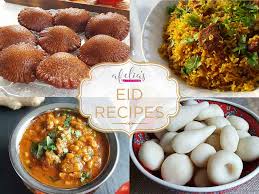
Families would gather to make them for special occasions like Poush Parban (the harvest festival) or Eid. The methods are often passed from mother to daughter, a culinary legacy.
Rice: The Heart of Pitha
Rice flour is the undisputed king of pitha ingredients. Different types of rice flour yield different textures. Fine, freshly ground rice flour is perfect for soft, melt-in-your-mouth pithas.
Coarser grinds give a satisfying chew. Sometimes, parboiled rice is used, giving a distinct aroma and texture.
The preparation of the rice is key. It might be soaked, then dried, and then ground by hand or in a local mill. This careful process ensures the flour has the right moisture content.
This is crucial for how the pitha will cook.
Sweeteners: Nature’s Best
Sugar is used, yes. But traditionally, jaggery (gur) is preferred. There are many types of gur.
Nolen gur, made from date palm sap, is incredibly special. Its smoky, deep flavor is unmatched. Other types, like khejur gur (date jaggery) and shyama gur (from sugarcane), also offer unique profiles.
The sweetness level is usually balanced. It’s not overwhelmingly sugary. It complements the other flavors, like coconut or spices.
This balance is a hallmark of traditional Bengali cooking.
Flavor Enhancers: Coconut and Spices
Freshly grated coconut is another pitha superstar. It adds texture, moisture, and a subtle sweetness. It can be used in the filling or mixed into the dough itself.
The aroma of coconut in a warm pitha is simply heavenly.
Spices are used sparingly but effectively. Cardamom pods, a pinch of cinnamon, or a hint of ginger can elevate a pitha’s flavor. These aren’t meant to overpower.
They are there to add warmth and depth.
A Glimpse into My Kitchen: The First Pitha Mishap
I remember my first real attempt at making Chitoi Pitha. My grandmother had given me her recipe. It seemed so simple: rice flour, water, a pinch of salt.
Easy, right? I was maybe ten. I mixed it all up, feeling very confident.
The batter looked a bit thin. But I figured more water couldn’t hurt.
I heated the tawa (a flat griddle). I poured a ladleful of batter. Instead of spreading into a nice round cake, it spread too thin.
It stuck. It burned on the edges and stayed gooey in the middle. Panic set in.
My mom came over and gently said, “The batter is too watery, dear. You need to let it rest. And the tawa needs to be just right.” That day, I learned that even the simplest traditional pitha recipes have their own secrets.
Quick Pitha Fact Check
Did you know? Pitha making often involves specific tools. A chaki (a small rolling pin) and belun (a flat stone board) are common for shaping doughs. For cooking, a kadhai (wok) or a special pitha pati (a clay or iron griddle) is used.
Even a simple tawa works well for many varieties.
The Pillars of Traditional Pitha: Iconic Recipes
When we talk about traditional pitha recipes, certain names immediately come to mind. These are the classics, the ones that have stood the test of time. They are loved by young and old alike.
1. Chitoi Pitha (Rice Flour Pancake)
This is perhaps the simplest and most fundamental pitha. It’s made from a thin batter of rice flour and water. It’s cooked on a tawa until it gets small holes on top, like a pancake.
Traditionally, it’s served with hot milk and jaggery, or a spicy lentil curry (dal).
The magic of Chitoi lies in its versatility. The texture is soft and slightly chewy. Dipped in sweet milk, it’s a comforting breakfast.
With savory dal, it’s a complete meal. This adaptability is a key feature of many traditional recipes.
2. Bhapa Pitha (Steamed Pitha)
Bhapa means steamed. These pithas are heavenly. They are made with a filling of grated coconut and jaggery, encased in a soft rice flour dough.
They are then steamed until perfectly cooked. The result is a moist, tender pitha with a wonderfully sweet and slightly chewy center.
The steaming process keeps them incredibly soft. They don’t dry out easily. The aroma that fills the kitchen as they steam is intoxicating.
This method ensures that the natural flavors of the coconut and jaggery really shine through. It’s a healthier option too, as it uses no oil.
3. Puli Pitha (Stuffed Dumplings)
Puli pithas are shaped like small dumplings. They can be sweet or savory. The most popular sweet version has a coconut and jaggery filling.
The dough is usually made from rice flour, sometimes with a little semolina for texture. They can be steamed, fried, or even cooked in milk.
The shaping itself is an art. Each family might have its own unique way of folding and crimping the edges. This makes each pitha a little piece of handmade art.
The different cooking methods offer different experiences – steamed are soft, fried are crisp, and those cooked in milk are wonderfully rich.
4. Malpoa (Sweet Fried Pancake)
Malpoa is a fried delight. It’s a sweet batter, often made with flour, semolina, yogurt, and a little sugar, sometimes with mashed banana or grated coconut. This batter is fried until golden and puffy.
Then, it’s immediately dipped in sugar syrup or served with a drizzle of condensed milk.
The texture is key here. It should be slightly crispy on the outside and soft and cake-like on the inside. It’s a richer pitha, often made for celebrations.
The sweetness is usually quite pronounced, making it a true dessert. The inclusion of yogurt in the batter helps create that lovely fluffy texture.
5. Patishapta (Crepes with Sweet Filling)
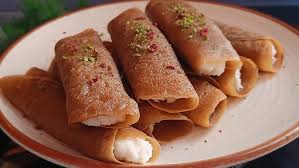
Patishapta are thin crepes, like delicate pancakes. The batter is usually made from rice flour, all-purpose flour, and semolina. They are cooked on a tawa until lightly golden.
The traditional filling is a mixture of grated coconut and jaggery, or sometimes a thickened milk filling called kheer.
Once cooked, the crepe is spread with the filling and then rolled up. The combination of the thin, slightly chewy crepe with the sweet, fragrant filling is divine. It’s elegant and satisfying.
This is another pitha that truly showcases the balance of textures and flavors.
Contrast Matrix: Traditional vs. Modern Pitha
Traditional Pitha
- Uses natural ingredients (rice, jaggery, coconut).
- Emphasis on simple, time-tested methods.
- Often made with minimal or no oil.
- Flavor profiles are subtle and balanced.
- Strong cultural and festive connections.
Modern Pitha Adaptations
- May include refined flour, processed sugars.
- Introduces new cooking techniques or shortcuts.
- Often incorporates more oil or butter for richness.
- May have bolder, sweeter, or added flavors (e.g., chocolate).
- Focus can shift to convenience or novelty.
The Art of Making Dough for Traditional Pitha
The dough is the foundation. Get it right, and your pitha will sing. Get it wrong, and it can be a disaster.
This is where experience truly matters.
Rice Flour Consistency
The most common issue for beginners is the consistency of the rice flour dough. For Chitoi Pitha, the batter needs to be thin, almost like crepe batter. It should flow easily off a ladle.
For pithas like Bhapa or Puli, the dough needs to be soft and pliable. It should be firm enough to hold its shape but not dry or crumbly. This usually means mixing rice flour with warm water and kneading gently.
You don’t want to overwork it, as this can make the pitha tough.
Adding Binders and Flavor
Sometimes, a little all-purpose flour (maida) or semolina (suji) is added to rice flour dough. This can improve the texture, making it a bit softer or chewier. A touch of yogurt can also add tenderness and a slight tang.
Salt is almost always added, even to sweet pithas. It balances the sweetness and enhances the overall flavor. Some recipes might add a pinch of sugar directly into the dough itself.
Kneading Techniques
When making dough for pithas like Puli or Patishapta, gentle kneading is key. You want to bring the ingredients together until they form a smooth ball. Over-kneading can develop gluten in any added wheat flour, making the pitha tough.
For steam-cooked pithas, the dough should be just right. It needs to be moist enough to steam well but firm enough to hold the filling. My aunt always said, “The dough should feel like a baby’s cheek – soft and smooth.”
Cooking Methods: Tradition in Action
The way a pitha is cooked is as traditional as its ingredients. Each method imparts a unique character.
Steaming: The Gentle Touch
Steaming is a beloved method for many traditional pithas. It uses moist heat to cook the pitha gently. This results in a very soft, tender texture.
Utensils like idli makers or steamers work well. You can also improvise with a colander over a pot of boiling water. The key is to ensure the steam circulates well.
Bhapa Pitha and some varieties of Puli are perfect examples of this technique.
Frying: The Crispy Delight
Frying adds a delightful crispness. It also enriches the flavor. Malpoa is the quintessential fried pitha.
The batter is dropped into hot oil and fries until golden brown and puffy.
It’s important to control the oil temperature. Too hot, and the outside burns before the inside cooks. Too cool, and the pitha absorbs too much oil and becomes greasy.
Traditional recipes often specify the exact heat level.
Pan-Frying and Griddling: Everyday Cooking
Pan-frying or griddling on a tawa is common for pithas like Chitoi and Patishapta. These methods require less oil than deep-frying.
For Chitoi, the tawa needs to be hot. You pour the thin batter, and it cooks quickly, developing characteristic holes. For Patishapta, the tawa is lightly oiled, and a thin layer of batter is spread to form a crepe.
The control over heat is vital here for a perfect result.
Observational Flow: Making Puli Pitha
Step 1: Prepare the Filling
Grate fresh coconut. Mix with jaggery or sugar. Add a pinch of cardamom.
Cook briefly to bind.
Step 2: Make the Dough
Mix rice flour with warm water. Knead gently into a soft, pliable dough. Add a tiny bit of salt.
Step 3: Shape the Puli
Take a small portion of dough. Flatten it into a small circle. Place filling in the center.
Fold and seal the edges, creating a crescent or other shape.
Step 4: Cook the Puli
Choose your method: steam until tender, fry until golden, or simmer in sweet milk.
Real-World Context: When Are Pithas Made?
Pithas aren’t just random treats. Their making is deeply tied to the seasons and celebrations in Bangladesh and West Bengal, India.
Harvest Festivals: Poush Parban
The most significant festival for pithas is Poush Parban, which marks the end of the harvest season in January. This is when newly harvested rice is abundant. Families gather to make a variety of pithas, especially rice-based ones like Chitoi, Bhapa, and Puli.
It’s a time of feasting and sharing.
The abundance of fresh ingredients, especially date palm jaggery (nolen gur), makes this season particularly special for pithas. The whole community often participates in the festivities and the cooking.
Religious Celebrations
Pithas are also made for major religious festivals like Eid-ul-Fitr and Eid-ul-Adha. Malpoa and other fried sweets are popular choices. They add a festive touch to the celebrations, shared with family and friends.
During Durga Puja and other Hindu festivals, specific pithas might be prepared as offerings or enjoyed as part of the feast. The type of pitha can vary based on regional traditions and the specific occasion.
Everyday Comfort and Hospitality
Beyond festivals, pithas are a symbol of hospitality. Offering a warm, homemade pitha to a guest is a sign of respect and affection. They are also made as comforting snacks, especially during cooler weather when warm milk or sweet dishes are most appealing.
My own grandmother would often make a small batch of Chitoi Pitha just for us children on a cool afternoon. It wasn’t a festival, just a simple gesture of love. This everyday making of pithas is a vital part of their tradition too.
Quick Scan Table: Pitha Types and Their Common Preparations
| Pitha Type | Primary Ingredient | Common Cooking Method | Typical Flavor |
|---|---|---|---|
| Chitoi Pitha | Rice Flour | Griddle/Pan-fried | Mild, neutral (often served with sweet/savory) |
| Bhapa Pitha | Rice Flour, Coconut, Jaggery | Steamed | Sweet, coconutty, caramelly |
| Puli Pitha | Rice Flour, Coconut, Jaggery | Steamed, Fried, Simmered in Milk | Sweet, coconutty |
| Malpoa | Flour, Semolina, Yogurt | Deep-fried | Sweet, slightly tangy, rich |
| Patishapta | Rice Flour, Flour, Semolina | Pan-fried | Sweet, creamy filling, thin crepe |
What Traditional Pitha Means for You Today
In our fast-paced world, the idea of traditional pitha making might seem daunting. But understanding these recipes is about more than just cooking. It’s about preserving a connection to culture and heritage.
The Value of Authenticity
Traditional pitha recipes offer an authentic taste experience. They use simple, wholesome ingredients prepared with care. This is a stark contrast to many modern processed foods.
Embracing these recipes means choosing natural flavors and time-tested methods.
It’s about appreciating the effort and love that goes into making each pitha. When you make a traditional pitha, you’re not just feeding yourself; you’re participating in a cultural practice.
Simple Checks for Success
If you’re trying traditional pitha recipes for the first time, here are a few things to keep in mind:
Ingredient Quality: Use fresh rice flour. If possible, get good quality jaggery. Freshly grated coconut makes a huge difference.
Dough Consistency: Pay close attention to the dough. It’s the most crucial step. Don’t be afraid to adjust slightly with water or flour, but do it slowly.
Heat Control: This is vital for cooking. Whether frying or griddling, the heat needs to be just right. Test with a tiny bit of batter first.
Patience: Traditional cooking takes time. Don’t rush the process. Enjoy the steps and the aromas.
When It’s Normal and When to Seek More Help
It’s normal for your first few attempts to not be perfect. Pitha making has a learning curve. Some pithas might be a little softer or firmer than expected.
This is okay!
If your pithas consistently turn out tough, dry, or oily, it might be a sign of an issue with your dough consistency or cooking temperature. Don’t hesitate to consult more experienced cooks or detailed recipe guides. Online communities can also be very helpful.
Pitha Making Tips: Insider Secrets
1. Rest Your Dough: For many pithas, letting the dough rest for 15-30 minutes can improve its texture. It allows the flour to hydrate properly.
2. Use Warm Water: For rice flour doughs, warm water is often better than cold. It helps create a softer, more pliable dough.
3. Season Your Tawa: For non-stick griddling, lightly oil and heat your tawa first. You can wipe off excess oil with a paper towel.
4. Taste and Adjust: Always taste your batter or filling before cooking. Adjust sweetness or spice as needed.
5. Embrace Imperfection: Not every pitha will look like a magazine cover. The taste and love put into it are what truly matter.
Quick Fixes and Tips for Traditional Pitha Recipes
Sometimes, a small adjustment can save a pitha batch.
If Your Dough is Too Dry
For pithas that require a kneaded dough, if it feels too dry and crumbly, add warm water one teaspoon at a time. Knead gently until it becomes soft and pliable. Don’t add too much water at once.
If Your Batter is Too Thin
For batters like Chitoi, if it’s too thin, you can try adding a tablespoon or two of rice flour. Mix well and let it sit for 10-15 minutes. If it’s for a fried pitha like Malpoa, a slightly thinner batter might work, but adjust based on the recipe.
If Your Pitha is Sticking to the Pan
Ensure your pan (tawa) is hot enough. Lightly oil it before pouring the batter. For non-stick pans, a very thin layer of oil is often enough.
If it persists, the pan might not be seasoned well, or the batter might have too much water.
If Your Steamed Pitha is Gummy
This usually means the rice flour wasn’t cooked through. Ensure you have enough steam and cook for the recommended time. Sometimes, a mix of rice flour and a little all-purpose flour helps prevent gumminess.
Frequently Asked Questions About Traditional Pitha
What is the difference between traditional and modern pitha recipes?
Traditional pitha recipes focus on natural ingredients like rice, jaggery, and coconut, using time-tested methods. Modern adaptations might use processed ingredients, introduce new flavors, or simplify steps for convenience.
Is it hard to make traditional pithas at home?
Some traditional pithas are very simple, like Chitoi. Others, like Puli or Patishapta, require a bit more practice with dough consistency and shaping. Starting with simpler recipes is a good approach.
What is the best flour for making pitha?
Rice flour is the most traditional and common. The type of rice flour (fine or coarse) and whether it’s fresh or aged affects the texture. Some recipes use a mix with all-purpose flour or semolina.
How can I make my pithas softer?
For steamed pithas, ensure enough cooking time and steam. For dough-based pithas, gentle kneading and using warm water can help. Using a little yogurt in the dough also adds softness.
Can I make traditional pithas without jaggery?
Yes, you can substitute sugar for jaggery. However, jaggery provides a unique flavor and color that is characteristic of traditional Bengali sweets. Brown sugar can be a closer substitute than white sugar.
What is the most important ingredient in traditional pitha?
Rice, in the form of rice flour, is the most essential ingredient for many traditional pithas. Its versatility allows for a wide range of textures and preparations.
Final Thoughts on Traditional Pitha
Traditional pitha recipes are a beautiful bridge to our past. They connect us to the land, the seasons, and the people who came before us. Making them is a journey of learning and appreciation.
Embrace the simplicity, savor the flavors, and enjoy the process. Your kitchen can soon be filled with the warm, comforting aromas of authentic pitha.