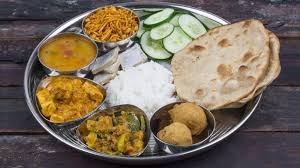
Bengali breakfast features simple, flavorful dishes often made with common pantry items. Popular choices include Panta Bhaat, Luchi with Alur Dom, Paratha with Ghugni, and various types of Pitha. These meals are known for their comforting taste and ability to energize the day.
Understanding Bengali Breakfast
Bengali cuisine is rich and diverse. Breakfast is a key part of this. It often uses fresh, local ingredients.
Think of rice, lentils, vegetables, and spices. These are put together in unique ways. Bengali breakfast isn’t usually heavy.
It focuses on comfort and taste. It’s meant to give you energy for the day.
There are many kinds of Bengali breakfast. Some are very simple and quick. Others are a bit more special for weekends.
Many dishes have a history. They have been passed down through families. This makes them feel very traditional.
People love these recipes because they are satisfying. They also connect them to their culture.
A Taste of Tradition: Popular Bengali Breakfast Dishes
Let’s explore some classic Bengali breakfast items. These are loved by many. They represent the heart of Bengali food.
Panta Bhaat: The Comforting Classic
Panta Bhaat is perhaps the most iconic Bengali breakfast. It’s incredibly simple. It’s also very popular, especially in warmer months.
This dish starts with leftover rice. The rice is soaked in water overnight. This makes it soft and a little sour.
The magic of Panta Bhaat is in how you eat it. It’s usually served cold. Common accompaniments make it special.
These include fried fish (like Hilsa), onions, green chilies, and mustard oil. Sometimes, a simple fried egg or some mashed potato is added. It’s a cooling and refreshing meal.
It’s also a great way to use leftover rice.
Panta Bhaat Explained
What it is: Fermented rice soaked in water.
Why it’s eaten: Refreshing, filling, uses leftovers, good for hot weather.
How it tastes: Slightly sour, cool, mild.
Served with: Fried fish, onions, green chilies, mustard oil.
Luchi and Alur Dom: A Weekend Delight
Luchi and Alur Dom is a more festive breakfast. It’s perfect for Sundays or special occasions. Luchis are small, deep-fried flatbreads.
They are made from refined flour. They puff up when fried, making them light and airy.
Alur Dom is a spicy potato curry. It is made with small potato pieces. The potatoes are cooked in a rich, tangy gravy.
It often includes ginger, garlic, and a blend of Bengali spices. The combination of the soft, slightly sweet luchi with the spicy, savory alur dom is divine. It’s a hearty breakfast that feels like a treat.
Luchi & Alur Dom Breakdown
Luchi: Puffed, fried white flour bread.
Alur Dom: Spicy, tangy potato curry.
Best for: Weekends, special mornings, celebrations.
Taste profile: Sweet bread meets spicy curry.
Paratha and Ghugni: A Hearty Combination
Parathas are another popular flatbread choice. They are usually made with whole wheat flour. They can be plain or stuffed.
A common pairing for paratha is Ghugni. Ghugni is a curry made from dried yellow peas.
The dried peas are soaked and then cooked. They are simmered with onions, ginger, garlic, and spices like turmeric, cumin, and coriander. Sometimes, tomatoes are added for extra flavor.
The result is a thick, protein-rich curry. Eating a warm, slightly crisp paratha with this savory ghugni is very satisfying. It’s a great breakfast for a busy day.
It keeps you full for a long time.
Paratha & Ghugni Quick Facts
Paratha: Whole wheat flatbread (plain or stuffed).
Ghugni: Yellow pea curry with spices.
Good for: Filling breakfast, energy boost, everyday meals.
Flavor: Savory, earthy, spiced peas with warm bread.
Upma/Suji: A Quick and Healthy Option
Upma, also known as Suji or Halwa, is a fast breakfast. It’s made from semolina (suji). The semolina is toasted until fragrant.
Then, it’s cooked with water or milk. Many people add vegetables like onions, carrots, and peas to make it healthier.
A touch of salt or sugar can be added, depending on preference. Some versions are savory, while others are sweet. It’s a versatile dish.
It can be made in just a few minutes. This makes it ideal for busy weekday mornings. It’s light yet filling.
It provides a good start to the day.
Upma/Suji Insights
Base: Toasted semolina (suji).
Variations: Savory with vegetables or sweet with milk/sugar.
Speed: Very quick to prepare.
Health: Can be made very healthy with added veggies.
My Panta Bhaat Story
I remember one summer when I was visiting my grandmother in Kolkata. The heat was intense. Most mornings, she’d serve me Panta Bhaat.
At first, I was a bit unsure. Cold rice? But she’d serve it with fresh, crispy fried small fish, thinly sliced red onions, and bright green chilies, all drizzled with sharp mustard oil.
The sourness of the rice, the kick of the chili, the pungency of the onion, and the bite of the mustard oil together were amazing. It was so refreshing. I felt instantly cooler and more awake.
That’s when I truly understood its appeal. It’s simple, yes, but the combination of flavors and textures was perfect for that heat. It felt like the best kind of home cooking.
Making Bengali Breakfast at Home: Tips and Tricks
Bringing the authentic taste of Bengali breakfast to your own kitchen is rewarding. Here are some tips to help you succeed.
Ingredient Focus
Use fresh ingredients whenever possible. Good quality rice is important for Panta Bhaat. Fresh vegetables make Upma and Ghugni taste better.
For Luchi and Alur Dom, using good potatoes is key.
Spices are crucial in Bengali cooking. Common spices include turmeric, cumin, coriander, mustard seeds, and mustard oil. Mustard oil gives a distinct flavor that is very traditional.
Don’t be afraid to use these spices. They are what give Bengali food its unique taste.
Essential Bengali Spices
- Turmeric Powder
- Cumin Seeds & Powder
- Coriander Seeds & Powder
- Mustard Seeds (Black/Yellow)
- Green Chilies
- Ginger
- Garlic
- Mustard Oil (for cooking and finishing)
Cooking Techniques
Deep-frying luchis requires practice. The oil needs to be hot enough, but not too hot. This makes them puff up perfectly.
For Alur Dom, simmering the potatoes allows them to absorb the flavors.
For Panta Bhaat, the soaking time matters. Too short and it’s just cold rice. Too long and it can become too sour.
Experiment to find your perfect level. The accompaniments are what truly bring it to life.
Balancing Flavors
Bengali cooking often balances sweet, sour, and spicy tastes. Luchi is slightly sweet. Alur Dom is spicy and tangy.
Panta Bhaat is sour. Upma can be savory or sweet. Learning to balance these flavors is key to authentic taste.
Taste as you cook. Adjust spices, salt, and sourness as needed. This is how you make a dish truly your own.
It’s also how you achieve that homemade deliciousness.
Real-World Scenarios for Bengali Breakfast
Let’s think about when and why people eat these breakfasts.
Weekdays: Quick & Energizing
For busy weekdays, speed is important. Upma or Suji is a great choice. It cooks fast.
It’s easy to digest. It gives you energy without feeling heavy. Paratha with a simple sabzi (vegetable dish) is also good.
It can be made ahead of time. These options help people get out the door on time. They provide a good, nourishing start.
Weekends & Holidays: Time for Treats
Weekends are when families have more time. This is the time for Luchi and Alur Dom. The preparation takes a bit longer.
The frying requires attention. It’s a meal to be enjoyed slowly. It’s often a special family gathering.
These rich meals are a celebration of food and togetherness.
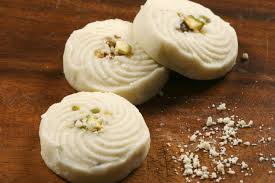
Other traditional sweets or pithas (rice cakes) might also be made. These are often time-consuming. They are reserved for special occasions.
They add a festive touch to the morning.
Summer vs. Winter
The season plays a role. Panta Bhaat is especially popular in the hot summer months. Its cooling properties are very welcome.
It’s a simple way to stay hydrated and feel refreshed.
In cooler weather, warmer, heartier options are preferred. Parathas, Ghugni, and richer curries are more common. They provide warmth and sustained energy.
The type of breakfast can adapt to the climate.
Breakfast Style by Occasion
Weekday Morning: Fast, simple, energizing (e.g., Upma, Paratha)
Weekend / Holiday: Special, time-consuming, celebratory (e.g., Luchi-Alur Dom, Pitha)
Summer: Cooling, refreshing (e.g., Panta Bhaat)
Winter: Warming, hearty (e.g., Paratha with Ghugni)
What This Means for You
Understanding Bengali breakfast traditions can inspire your own meals. You can pick simple recipes for busy days. You can save more elaborate dishes for special mornings.
It’s about making breakfast a pleasant part of your day. It doesn’t have to be complicated. Even simple ingredients can create amazing flavors.
Don’t be afraid to try something new. You might discover a new favorite.
Think about what you have on hand. Can you make a quick Upma? Do you have leftover rice for Panta Bhaat?
Even small changes can make breakfast feel special. It’s about nurturing yourself with good food.
Simple Bengali Breakfast Recipes to Try
Here are some easy recipes you can start with. They are simplified for home cooks.
Easy Panta Bhaat
Ingredients:
Cooked rice (preferably leftover), water, salt, mustard oil, chopped red onion, green chilies.
Instructions:
1. Place cooked rice in a bowl. Add enough water to cover.
Let it sit for at least 4 hours, or overnight in the fridge. 2. Drain excess water if desired.
Add a pinch of salt. 3. Serve cold.
Drizzle with a little mustard oil. Top with finely chopped red onion and thinly sliced green chilies.
Quick Suji Upma
Ingredients:
1 cup semolina (suji), 2 cups water, 1 tbsp oil, 1/2 tsp mustard seeds, 1 small onion (chopped), 1 green chili (chopped), salt to taste.
Instructions:
1. Dry roast the semolina in a pan for 2-3 minutes until fragrant. Set aside.
2. Heat oil in the same pan. Add mustard seeds.
Let them splutter. 3. Add chopped onion and green chili.
Sauté until onions are soft. 4. Pour in water and add salt.
Bring to a boil. 5. Slowly add the roasted semolina while stirring continuously to avoid lumps.
6. Cook until the upma thickens. Serve hot.
Basic Ghugni
Ingredients:
1 cup dried yellow peas (soaked overnight), 1 tbsp oil, 1/2 tsp cumin seeds, 1/2 tsp turmeric powder, 1/4 tsp red chili powder, 1 tsp ginger-garlic paste, 1 small onion (chopped), salt to taste.
Instructions:
1. Drain the soaked peas. You can boil them until tender first if you prefer.
2. Heat oil in a pot. Add cumin seeds.
Let them splutter. 3. Add chopped onion and sauté until golden.
4. Add ginger-garlic paste and cook for a minute. 5.
Add turmeric powder, red chili powder, and salt. Stir well. 6.
Add the boiled or soaked peas to the pot. Add about 1/2 cup water. 7.
Cover and simmer until the peas are well cooked and the gravy thickens. Serve hot with paratha or roti.
Recipe Quick Notes
Panta Bhaat: Soak rice overnight. Serve cold with fresh toppings.
Suji Upma: Roast semolina first. Stir well while adding to hot water to prevent lumps.
Ghugni: Soaking peas is key. Simmer well for flavor to develop.
When to Worry (and When Not To)
Most Bengali breakfast foods are healthy and wholesome. However, like any food, moderation is key.
Too Much Frying
Dishes like Luchi are deep-fried. Eating them every day can be unhealthy. Too much fried food can lead to weight gain and other health issues.
It’s best to enjoy these as occasional treats.
Portion Sizes
Even healthy options like Upma or Ghugni can be eaten in large amounts. Pay attention to portion sizes. Ensure your breakfast is filling but not overly heavy.
This helps maintain energy levels.
When it’s normal: Enjoying Luchi once a week or on special days is fine. Having Panta Bhaat during hot weather is a healthy choice. A moderate portion of Upma or Ghugni is a good breakfast.
When to worry: Eating fried foods daily. Eating excessively large portions of any breakfast item. If you have specific dietary needs, consult a doctor or nutritionist.
Frequently Asked Questions about Bengali Breakfast
What is the most traditional Bengali breakfast?
Panta Bhaat is considered very traditional, especially in rural areas and during hot weather. However, Luchi with Alur Dom is also a classic choice for more festive occasions.
Can I make Bengali breakfast recipes healthy?
Yes, many recipes can be made healthier. For Upma, add lots of vegetables. For Ghugni, it’s already protein-rich.
Reducing the frequency of fried items like Luchi helps.
What is “Pitha” in Bengali breakfast?
Pitha refers to a variety of rice cakes or dumplings. They can be sweet or savory, steamed, fried, or baked. They are traditional sweets and snacks, often enjoyed during festivals, and can be part of a special breakfast.
Is Panta Bhaat safe to eat?
Yes, Panta Bhaat is generally safe when prepared correctly. The overnight soaking allows for a mild fermentation that is considered beneficial. Ensure the rice is stored properly before serving.
What is the role of mustard oil in Bengali breakfasts?
Mustard oil has a distinct pungent flavor and aroma that is characteristic of many Bengali dishes. It’s often used for cooking and as a finishing oil, adding a special touch to dishes like Panta Bhaat and Ghugni.
How can I make Luchi soft and puffy?
Using good quality refined flour (maida), kneading the dough to a soft, pliable consistency, resting the dough, and frying in hot oil are key. The oil temperature is very important for puffing.
Enjoying Your Bengali Breakfast Journey
Exploring Bengali breakfast recipes is a delightful adventure. It’s about simple ingredients coming together. It’s about rich traditions and comforting flavors.
Whether you choose a quick Upma or a festive Luchi, you are bringing a piece of Bengali culture to your table.
Remember to enjoy the process. Taste the spices. Feel the textures.
Share these meals with loved ones. Each bite is a step into a wonderful culinary world. Happy cooking!