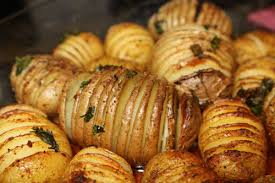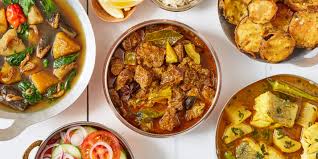
Easy Bengali recipes focus on fresh ingredients, balanced flavors, and straightforward cooking methods. They are designed to bring authentic tastes to your table without a lot of fuss or hard-to-find items.
Understanding the Heart of Bengali Cuisine
Bengali food is a celebration of taste. It comes from the Bengal region in India and Bangladesh. The cooking style is known for its gentle use of spices.
Instead of fiery heat, it focuses on deep, layered flavors. Fish and rice are very important here. Many dishes also use lentils, vegetables, and mustard oil.
Mustard oil gives a special zing you can’t find anywhere else. Don’t worry if you can’t find it. A good quality vegetable oil can work too.
The goal is always to balance sweet, sour, salty, and a little bit spicy.
Think about the cooking process. Many recipes start with a tempering. This means heating oil and adding whole spices like cumin seeds or mustard seeds.
They pop and sizzle. This fills the oil with flavor. Then, you add onions, ginger, and garlic.
These form the base for most savory dishes. Vegetables are often cooked until just tender. Fish is usually pan-fried or simmered gently.
The key is not to overcook things. This keeps the natural taste of the food shining through.
What makes it easy? Bengali cooks often use a few core ingredients. These can be mixed and matched.
Common items include fresh ginger, garlic, green chilies, turmeric, cumin, coriander, and mustard seeds. Fresh herbs like cilantro add brightness at the end. Many recipes rely on the natural sweetness of onions and tomatoes.
This means you don’t need to add lots of sugar. The methods themselves are also quite simple. Many dishes are one-pot meals.
This saves on washing up!
My First Bengali Cooking Mishap (And What I Learned)
I remember the first time I tried to make a Bengali fish curry. It was for a small dinner party. I’d seen my aunt make it a hundred times.
It looked so effortless. She’d just toss things into a pot. I felt confident.
So, I gathered my ingredients. I had fresh fish, onions, tomatoes, and a small spice kit. I started by frying the fish.
Then came the onion paste. I thought, “More heat means more flavor!” So, I cranked up the stove. The onions went from golden to burnt in seconds.
The kitchen filled with a smoky, bitter smell. Panic set in. I tried to salvage it by adding more tomatoes and water.
But that bitter taste just wouldn’t go away. The fish ended up tasting… sad. It was a total disaster.
My guests were polite, but I knew. That night, I learned a huge lesson: Bengali cooking is about balance and patience. Especially with spices and heat.
Gentle heat and watching closely are your best friends. It taught me not to rush and to respect the process. Now, I cook that same curry often.
It’s a family favorite. The memory of that smoky disaster still makes me chuckle.
Essential Bengali Pantry Staples
Having these on hand makes cooking easier:
- Mustard Seeds: Small, black seeds with a sharp, pungent flavor.
- Cumin Seeds: Earthy and warm, used whole or ground.
- Turmeric Powder: Gives color and a mild earthy taste.
- Coriander Powder: Bright, citrusy, and slightly sweet.
- Ginger & Garlic Paste: Freshly made or store-bought.
- Green Chilies: For a fresh, sharp heat.
- Rice: Basmati or a good medium-grain rice.
- Lentils (Dal): Toor dal or masoor dal are common.
Simple Lentil Dal (Masoor Dal) Recipe
Lentils, or ‘dal,’ are a cornerstone of Bengali meals. They are healthy, filling, and incredibly easy to make. This recipe is for Masoor Dal, a red lentil that cooks quickly.
It’s perfect for a busy weeknight. It’s also a dish that feels comforting and familiar.
What you need:
- 1 cup masoor dal (red lentils)
- 3 cups water
- 1/2 teaspoon turmeric powder
- Salt to taste
- For tempering:
- 2 tablespoons oil (mustard oil if you have it)
- 1/2 teaspoon cumin seeds
- 1-2 dried red chilies (optional)
- 2-3 cloves garlic, thinly sliced
- A pinch of asafoetida (hing) – optional, but adds flavor
How to make it:
First, rinse the lentils. Put them in a pot. Add water, turmeric powder, and salt.
Bring this to a boil. Then, lower the heat. Let it simmer.
You want the lentils to get very soft. This takes about 15-20 minutes. Stir them sometimes.
If it gets too thick, add a little more water.
While the dal simmers, make the tempering. In a small pan, heat the oil. Add the cumin seeds.
Let them splutter. If you are using dried red chilies, add them now. Then, add the sliced garlic.
Fry the garlic until it’s golden brown. Be careful not to burn it. If you have asafoetida, add it right at the end.
It only needs a few seconds.
Pour this hot, spiced oil mixture over the cooked dal. Stir it in. Cover the pot for a minute.
This lets the flavors blend. Serve hot with rice. A squeeze of lemon or lime juice is nice too.
Some fresh cilantro leaves on top make it look pretty.
Dal Cooking Tips
Rinsing: Always rinse your lentils before cooking. This removes dust and any debris.
Simmering: Don’t rush the simmering. Let the lentils break down to create a creamy texture.
Tempering: This is where the magic happens. Watch the garlic carefully. Golden is good, burnt is bad!
Variations: You can add chopped tomatoes or spinach to the dal while it simmers for extra nutrients and flavor.
Easy Fish Fry (Maacher Bhaja)
Fish is a star in Bengali cuisine. A simple fish fry is a common side dish. It’s crispy on the outside and tender inside.
This is a basic version. You can use any firm white fish. Rohu or Bhet (Indian seabass) are traditional.
But cod, tilapia, or even firm tofu work well for an easy meal.
What you need:
- 4 fish fillets or steaks (about 4-6 oz each)
- 1 teaspoon turmeric powder
- 1 teaspoon red chili powder (or to taste)
- 1/2 teaspoon salt
- 2 tablespoons oil (mustard oil preferred, or vegetable oil)
- A squeeze of lemon juice
How to make it:
Wash the fish pieces. Pat them completely dry with paper towels. This helps them get crispy.
In a small bowl, mix the turmeric powder, red chili powder, and salt. Rub this spice mixture all over the fish. Make sure each piece is coated well.
Let it marinate for about 10 minutes.
Heat the oil in a frying pan over medium-high heat. Once the oil is hot, carefully place the fish pieces in the pan. Don’t overcrowd the pan.
Cook in batches if needed. Fry for about 3-4 minutes on each side. The fish should be golden brown and cooked through.
The exact time depends on the thickness of the fish.
Once cooked, remove the fish from the pan. Place it on a plate lined with paper towels. This soaks up any extra oil.
Serve immediately. A squeeze of fresh lemon juice right before serving adds a lovely brightness. This dish is great with rice and dal, or as a simple appetizer.
Fish Fry Tips
Dry Fish: The drier the fish, the crispier the skin will be.
Medium-High Heat: This ensures a good sear without burning the spices.
Don’t Overcrowd: Give the fish space to cook evenly and get crispy.
Watch the Spices: Turmeric can burn. Keep an eye on the color.
Simple Vegetable Stir-fry (Shobji Bhaji)
A mixed vegetable stir-fry is a quick and healthy way to enjoy fresh produce. This Bengali style of ‘bhaji’ focuses on simple spices to highlight the vegetables’ natural flavors. It’s a versatile dish.
You can use whatever vegetables you have on hand.
What you need:
- 2 cups mixed vegetables, chopped (e.g., potatoes, carrots, cauliflower, beans, peas)
- 1 tablespoon oil
- 1/2 teaspoon cumin seeds
- 1 small onion, thinly sliced
- 1 green chili, slit (optional)
- 1/2 teaspoon turmeric powder
- Salt to taste
- A handful of fresh cilantro, chopped (for garnish)
How to make it:
Heat the oil in a pan or wok over medium heat. Add the cumin seeds. Let them splutter.
Add the sliced onion and the green chili. Sauté until the onion is soft and light golden. This takes about 3-4 minutes.
Add the chopped vegetables to the pan. Stir them well. Add the turmeric powder and salt.
Mix everything so the spices coat the vegetables evenly. Cover the pan with a lid. Let the vegetables cook.
They should become tender but still have a slight bite. This usually takes about 10-15 minutes, depending on the vegetables. Stir occasionally.
If the pan seems dry, add a tablespoon or two of water.
Once the vegetables are cooked to your liking, remove the lid. Cook for another minute or two to let any excess moisture evaporate. Sprinkle fresh cilantro over the top.
Serve hot with rice or roti.
Vegetable Bhaji Tips
Cutting Veggies: Try to cut vegetables into similar sizes. This helps them cook evenly.
Hard Veggies First: If using root vegetables like potatoes or carrots, add them a few minutes before softer vegetables like peas or spinach.
Don’t Overcook: Mushy vegetables are not ideal. Aim for tender-crisp.
Spice Level: Adjust the number of green chilies to your preference for heat.
Easy Chicken Curry (Murgir Jhol) – Simple Version
A light chicken curry, known as ‘Murgir Jhol,’ is a comforting main dish. This version is simplified for speed and ease. It uses common spices and pantry items.
It’s perfect for a flavorful, yet quick, weeknight dinner. The key is a good base of onions, ginger, and garlic.
What you need:
- 1 lb boneless, skinless chicken thighs, cut into 1-inch pieces
- 2 tablespoons oil
- 1 large onion, finely chopped
- 1 tablespoon ginger-garlic paste
- 1-2 green chilies, slit (optional)
- 1 teaspoon cumin powder
- 1 teaspoon coriander powder
- 1/2 teaspoon turmeric powder
- 1/4 teaspoon red chili powder (or to taste)
- 1 cup chopped tomatoes (fresh or canned)
- 2 cups chicken broth or water
- Salt to taste
- Fresh cilantro, chopped (for garnish)
How to make it:
Heat the oil in a pot or deep pan over medium heat. Add the chopped onion. Cook until soft and golden brown.
This will take about 5-7 minutes. Stir in the ginger-garlic paste and slit green chilies. Cook for another minute until fragrant.
Be careful not to burn the ginger-garlic.
Add the cumin powder, coriander powder, turmeric powder, and red chili powder. Stir well. Cook for about 30 seconds.
This toasts the spices and brings out their flavor. Add the chopped tomatoes. Cook until they soften and break down a bit.
This will take another 3-4 minutes.
Add the chicken pieces to the pot. Stir them to coat with the spice mixture. Brown the chicken lightly on all sides.
Pour in the chicken broth or water. Add salt to taste. Bring the curry to a simmer.
Then, reduce the heat to low. Cover the pot and let it cook for 20-25 minutes. This allows the chicken to become tender and the flavors to meld.
Check the curry. The sauce should have thickened slightly. The chicken should be cooked through.
Adjust salt if needed. Garnish with fresh cilantro. Serve hot with rice or naan.
Chicken Curry Notes
Chicken Thighs: These stay more moist than chicken breast in curries.
Toasting Spices: A quick fry of the powdered spices in oil enhances their flavor.
Simmering Time: Don’t rush the simmering. It’s crucial for tender chicken and deep flavor.
Spice Level: Adjust red chili powder and green chilies to your heat preference.
Crispy Potatoes (Aloo Bhaja)
Crispy fried potatoes are a favorite side dish in many homes. This simple ‘Aloo Bhaja’ is a quick way to make potatoes taste amazing. It requires minimal ingredients and just a little attention.
The key is to get them nice and golden brown.
What you need:
- 2 medium potatoes, peeled and thinly sliced (about 1/8 inch thick)
- 1 tablespoon oil
- 1/4 teaspoon cumin seeds
- Pinch of turmeric powder
- Salt to taste
- Pinch of red chili flakes (optional)
How to make it:
Wash the sliced potatoes. Pat them very dry with paper towels. This is important for crispiness.
Heat the oil in a non-stick frying pan over medium-high heat. Add the cumin seeds. Let them splutter.
Add the potato slices in a single layer. Try not to overlap them too much. Sprinkle the turmeric powder, salt, and red chili flakes (if using) over the potatoes.
Let the potatoes cook undisturbed for about 4-5 minutes. They will start to brown on the bottom. Carefully flip the potato slices.
Cook the other side for another 4-5 minutes. You may need to adjust the heat to prevent burning. The goal is golden brown and crispy edges.
If the potatoes start sticking, you can add a tiny bit more oil. Or, sprinkle a teaspoon of water and cover for a minute to steam them slightly, then uncover to crisp up again. Once they are golden and crisp, remove them from the pan.
Serve hot as a side dish.
Potato Frying Tips
Thin Slices: The thinner the slices, the crispier the potatoes will get.
Dry Potatoes: Moisture is the enemy of crispiness. Make sure they are thoroughly dry.
Single Layer: Avoid overcrowding the pan. This steams the potatoes instead of frying them.
Patience: Let them cook without moving too much at first to get a good crust.
Sweet Yogurt Dip (Doi er Chutney) – Simple Version
This is a very simple, refreshing dip. It’s not a traditional cooked chutney. It’s more of a quick side dish.
It’s often served with fried snacks or as a cooling element in a meal. It uses simple ingredients you likely have.
What you need:
- 1 cup plain yogurt (full fat is best)
- 1-2 tablespoons sugar (or to taste)
- 1/4 teaspoon cardamom powder (optional)
- A few strands of saffron, soaked in 1 tablespoon warm milk (optional)
How to make it:
In a bowl, whisk the plain yogurt until smooth. Add the sugar. Stir well until the sugar dissolves completely.
If you are using cardamom powder, stir it in now. If you have saffron, add the saffron milk for a beautiful color and subtle flavor.
Chill the yogurt mixture in the refrigerator for at least 15-30 minutes before serving. This allows the flavors to meld. Serve cold as a dip or side.
Yogurt Dip Notes
Yogurt Quality: Use thick, creamy yogurt for the best texture.
Sugar Adjustment: Taste and add more sugar if you prefer it sweeter.
Flavor Boosts: You can add a tiny pinch of salt to balance the sweetness, or a little finely chopped mint.
Real-World Context: Bringing Bengali Flavors Home
Bengali cooking fits perfectly into modern home kitchens. Many recipes are naturally one-pot wonders. This means less cleanup after a meal.
The focus on fresh vegetables and lean protein makes them healthy choices. Even simple dishes offer a complex flavor profile without being overly spicy.
Think about a typical weekday. After a long day, you want something delicious but quick. A simple dal and rice, with a side of fish fry or vegetable bhaji, can be on the table in under 30 minutes.
It’s a balanced and satisfying meal. These recipes are also great for meal prep. You can make a large batch of dal and keep it in the fridge for a few days.
The spice mixes for fish fry can be prepared ahead of time.
The ingredients themselves are widely available. While mustard oil is traditional, good quality vegetable oil works as a substitute. Spices like turmeric, cumin, and coriander are staples in most grocery stores.
Fresh ginger and garlic are easy to find. If you can’t find specific vegetables, substitute with what’s in season. This adaptability is what makes Bengali cooking so practical for everyday life.
What This Means for You: Making Bengali Food Your Own
So, what does this all mean for your kitchen? It means you can easily start exploring Bengali flavors. Don’t feel intimidated by the idea of ‘authentic’ cooking.
These simple recipes are a great starting point. They teach you the basic flavor profiles and techniques.
When is this kind of cooking normal? It’s normal when you want healthy, flavorful meals without a lot of effort. It’s normal when you’re looking to add variety to your diet.
It’s especially normal when you have a craving for comforting, home-style food.
When should you pay a little more attention? If you are new to using spices, start with smaller amounts. You can always add more.
If you are sensitive to certain tastes, adjust them. For example, use less chili or omit it entirely. Always taste as you go.
This is the best way to learn what works for your palate.
Simple checks you can do: Is the dal creamy and smooth? Is the fish golden and flaky? Are the vegetables tender but not mushy?
These are good indicators that your cooking is on the right track. Enjoy the process!
Quick Tips for Easy Bengali Cooking
Here are a few more ideas to make your Bengali cooking journey even smoother:
- Prep Ahead: Chop onions, ginger, and garlic in batches. Store them in airtight containers in the fridge.
- Spice Mixes: Combine your commonly used dry spices (cumin, coriander, turmeric) in a small jar.
- Measure Wisely: Start with less spice than you think you need. You can always add more.
- Gentle Heat: Most Bengali dishes benefit from moderate heat. This allows flavors to develop without burning.
- Fresh Herbs: A sprinkle of fresh cilantro or mint at the end can transform a dish.
- Rice is Key: A simple pot of fluffy rice is the perfect companion to most Bengali dishes.
Frequently Asked Questions
What are the most common spices in Bengali cooking?
The most common spices include cumin seeds, mustard seeds, turmeric powder, coriander powder, and red chili powder. Fresh ginger, garlic, and green chilies are also very important for flavoring.
Can I use vegetable oil instead of mustard oil?
Yes, you absolutely can. While mustard oil gives a distinct flavor, a good quality vegetable oil or canola oil will work well for most recipes. The key is to use an oil with a neutral flavor.
What kind of rice is best for Bengali food?
Long-grain rice like Basmati is very popular. However, medium-grain white rice also works well and is often used. The main idea is to have a fluffy rice that pairs nicely with curries and dals.
How do I make Bengali food less spicy?
To make dishes less spicy, reduce the amount of green chilies and red chili powder. You can also remove the seeds from green chilies, as that’s where most of the heat is concentrated. Always taste and adjust to your preference.
Are Bengali recipes difficult to follow for beginners?
Not at all! This guide provides simple versions of popular dishes. The techniques are straightforward, focusing on fresh ingredients and basic spice tempering.
With a little practice, you’ll find them very manageable.
What is ‘tempering’ in Bengali cooking?
Tempering, or ‘phoron,’ is a cooking technique where whole spices are heated in oil or ghee until they splutter. This releases their aromatic oils and infuses the cooking medium with flavor, forming the base for many dishes.
Bringing Bengali Flavors Home
Cooking Bengali food doesn’t have to be complicated. These easy recipes show you how to get wonderful flavors. They use simple steps and common ingredients.
You can make delicious, comforting meals right in your own kitchen. Don’t be afraid to try! Start with one dish.
You might be surprised how easy and rewarding it is. Enjoy your cooking adventure!