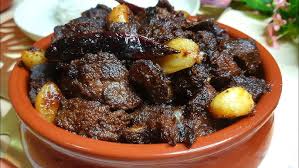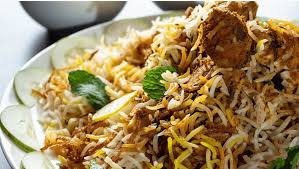
Spicy Bangladeshi food recipes focus on bold flavors and aromatic spices. They often use chili peppers, ginger, garlic, and a blend of ground spices to create complex heat and depth. The key is balancing these elements to create delicious, memorable dishes that are both fiery and full of taste.
Understanding the Heat: What Makes Bangladeshi Food Spicy?
Spicy Bangladeshi food is famous worldwide. It’s not just about being hot. It’s about a kind of heat that dances with other tastes. This heat comes from specific ingredients. These ingredients are used in careful ways. Let’s break down what makes these dishes so wonderfully spicy.
The main source of heat is chili peppers. Bangladesh uses many types of chilies. Some are mild and just add a little warmth. Others are very, very hot. The cook chooses the chili for the dish. Green chilies are common. They are often used fresh. Red chilies, both fresh and dried, are also popular. Dried chilies are often ground into powders. These powders give a deep, lasting heat.
Beyond chilies, other spices add layers of flavor and warmth. Ginger is a key player. It has a sharp, zesty heat. Garlic is used a lot too. It adds a strong, pungent taste. Turmeric is used for color and a mild earthy flavor. Cumin seeds and coriander seeds are ground. They give a nutty, warm taste. Garam masala is a common spice blend. It’s usually added near the end. It adds a complex aroma and warmth. Cardamom, cloves, and cinnamon are often in garam masala. These warm spices are very important. They make the food smell amazing.
The way these spices are used matters. Often, whole spices are fried in hot oil first. This is called tempering or tadka. It releases their oils and flavors. Ground spices are then added. They are cooked for a short time. This helps them mix well. Cooking the spices correctly is a skill. It makes sure the spice flavors are strong. It also stops them from tasting bitter.
Some dishes use a paste. This paste is made from ginger, garlic, and chilies. This paste is cooked with the main ingredients. It infuses the whole dish with its flavor and heat. Coconut milk is sometimes used. It can cool down the heat a little. It also adds richness. Yogurt is another ingredient that can balance spice. It adds tanginess and creaminess.
My First Taste of True Bangladeshi Heat
I remember my first trip to Bangladesh. It was a sensory explosion. I’d eaten spicy food before. But this was different. It was a humid afternoon. We were in a small village near Dhaka. A woman invited us into her simple home. The air was thick with amazing smells. She was cooking something in a clay pot. It was a fish curry. She smiled and offered us bowls.
The curry was a vibrant orange-red. It looked delicious. I took a spoonful. The first thing I noticed was the aroma. It was a mix of ginger, garlic, and something deeply spicy. Then came the taste. It hit my tongue. It was a wave of heat. But it wasn’t just heat. There was the tender fish. There was a tang from tomatoes. There were fragrant spices. It was so complex. My eyes watered a little. My cheeks felt warm. But I couldn’t stop eating. It was that good.
I asked her what made it so special. She just laughed and pointed to a small pile of bright green chilies on her counter. She showed me a jar of ground spices. She explained, in simple terms, that it was about fresh ingredients and cooking them with love. That meal taught me that spicy food isn’t just about burning your mouth. It’s about a deep, satisfying warmth that stays with you. It showed me the art of balancing heat with other tastes.
Key Ingredients for Authentic Spicy Bangladeshi Dishes
To make truly delicious spicy Bangladeshi food, you need the right building blocks. These are the stars of the show. They bring the flavor and the fire. Getting these ingredients is the first step to success.
Chilies are number one.
Green Chilies: Often called morsel chilies or Thai chilies*. They offer a sharp, fresh heat. They are great chopped and added early or late.
Dried Red Chilies: These can be whole or powdered. They provide a deeper, richer heat. Kashmiri red chili powder is used for color and mild heat. Other red chili powders can be much hotter.
Habanero or Scotch Bonnet: While not traditional in every recipe, these very hot peppers can be used sparingly for extreme heat seekers.
Aromatics are also vital.
Fresh Ginger: This is not just for spice. It adds a bright, zesty note. It cuts through richness.
Fresh Garlic: A staple in most Bangladeshi cooking. It adds a savory depth.
Onions: Usually red or yellow onions. They are sautéed to create a sweet base.
Spices are where the magic happens.
Turmeric Powder: For color and a mild earthy taste.
Cumin Seeds and Powder: Adds a warm, earthy flavor.
Coriander Seeds and Powder: Gives a citrusy, mild warmth.
Garam Masala: A blend of warming spices like cardamom, cloves, cinnamon, and black pepper. It’s often added at the end.
Mustard Seeds: Used whole in tempering. They add a pungent kick.
Fenugreek Seeds: Used sparingly. They can be slightly bitter but add a unique depth.
Other important elements.
Mustard Oil: This is a traditional oil. It has a strong flavor and a high smoke point. It adds a distinct taste to many dishes.
Tomatoes: Fresh or canned. They add acidity and sweetness. They help create the curry base.
Yogurt: Plain, unsweetened yogurt. It adds tanginess and can mellow the heat.
Coconut Milk: For richer curries. It adds creaminess and a subtle sweetness that balances spice.
The Art of Tempering: Unlocking Spice Flavors
Tempering spices, known as tadka or phoron, is a foundational technique in Bangladeshi cooking. It’s not just about adding flavor. It’s about waking up the spices. It releases their essential oils. This makes the dish much more aromatic and tasty. Most people miss this step. They just toss spices into hot oil. That’s not the best way.
Here’s how it’s done. You heat oil in a pan. Medium heat is usually best. You add whole spices first. Common whole spices include cumin seeds, mustard seeds, and dried red chilies. You watch them closely. The seeds will start to sizzle and pop. The chilies will darken slightly. This happens very quickly, maybe 30 seconds to a minute. You don’t want them to burn. Burning makes them bitter.
Once the whole spices are fragrant and active, you quickly add other ingredients. This might be chopped onions, ginger, or garlic. You then add ground spices. These include turmeric, coriander, and chili powder. You stir them constantly for a short time. Again, only about 30 seconds. This cooks the raw spice taste out. It blends them into the oil. Then you add your main ingredients, like meat, fish, or vegetables.
This process creates a flavor base. It’s much richer than just adding spices. The spices infuse the oil. The oil then infuses the food. This is why many simple Bangladeshi dishes taste so complex. It’s the careful preparation of the spices. It’s a quick step. But it makes a huge difference.
Tempering Spice Quick Guide
What it is: Frying whole and ground spices in hot oil or ghee.
Why do it: Releases aromatic oils, deepens flavor, removes raw taste.
Key Spices: Cumin seeds, mustard seeds, dried red chilies, fenugreek seeds.
Timing: Very quick! Watch closely to avoid burning.
Heat Level: Medium heat is best for control.
Experience Tip: Listen for the sizzle. Smell the aroma. That’s when they’re ready.
Classic Spicy Bangladeshi Recipes to Try
Ready to dive in? Here are a few classic dishes. They showcase the best of spicy Bangladeshi cooking. Each one offers a unique flavor journey. They are a great starting point for your culinary adventures.
1. Chicken Bhuna (Spicy Chicken Curry)
This is a popular dish. It’s known for its thick, rich sauce. The chicken is cooked slowly. This makes it very tender. The spices are cooked down. This creates a deep flavor.
Ingredients you’ll need:
Chicken pieces
Onions, ginger, garlic
Tomatoes
Chili powder (hot and mild)
Turmeric, cumin, coriander powder
Garam masala
Whole spices like cardamom and cloves
Mustard oil or vegetable oil
How to make it:
1. Heat oil in a pan. Add whole spices.
2. Sauté onions until golden. Add ginger and garlic paste. Cook for a minute.
3. Add ground spices and chili powder. Stir well. Cook for 30 seconds.
4. Add chicken pieces. Brown them lightly.
5. Add chopped tomatoes. Cook until they soften.
6. Add a little water. Cover and simmer until chicken is cooked through.
7. Stir in garam masala. Adjust salt.
8. Serve hot with rice or roti.
The key here is cooking the spices with the chicken and tomatoes. This allows the flavors to meld. The sauce becomes thick and flavorful. The spice level can be adjusted by the amount of chili powder used.
2. Macher Jhol (Spicy Fish Curry)
Fish is a staple in Bangladesh. This curry is light yet flavorful. It’s often made with a variety of river fish. It’s known for its comforting warmth.
Ingredients you’ll need:
Firm white fish fillets (like hilsa, tilapia, or cod)
Onions, ginger, garlic
Green chilies
Turmeric, cumin, coriander powder
Mustard seeds
Mustard oil
Water or fish broth
How to make it:
1. Lightly fry the fish pieces. Set aside.
2. Heat mustard oil. Add mustard seeds. Let them splutter.
3. Add chopped onions. Sauté until soft.
4. Add ginger and garlic paste. Cook for a minute.
5. Add turmeric, cumin, and coriander powder. Stir.
6. Add chopped green chilies.
7. Add water or broth. Bring to a simmer.
8. Gently add the fried fish pieces.
9. Simmer for about 10-15 minutes until fish is cooked. Do not overcook.
10. Garnish with fresh coriander leaves.
The mustard oil and mustard seeds give this curry its signature kick. The green chilies add a fresh heat. It’s a simple dish that relies on fresh flavors.
3. Aloo Bhaji (Spicy Potato Stir-fry)
This is a common side dish. It’s simple to make. It’s usually quite spicy. It pairs well with rice and dal.
Ingredients you’ll need:
Potatoes, peeled and diced
Onions, sliced
Green chilies, slit
Turmeric powder
Cumin seeds
Mustard oil
Salt
How to make it:
1. Heat mustard oil in a pan. Add cumin seeds. Let them splutter.
2. Add sliced onions and slit green chilies. Sauté until onions are soft.
3. Add diced potatoes and turmeric powder. Stir well.
4. Add salt.
5. Cover and cook on low heat. Stir occasionally.
6. Potatoes should become tender and slightly browned. Add a tiny bit of water if they stick too much.
7. Cook until potatoes are soft and flavorful.
The beauty of this dish is its simplicity. The heat comes from the green chilies. The mustard oil adds a pungent depth. It’s a quick way to add spice to any meal.
Flavor Profile Contrast: Mild vs. Spicy
| Mild Bangladeshi Flavor | Spicy Bangladeshi Flavor |
| Uses fewer chilies. | Uses more fresh and dried chilies. |
| Relies more on ginger and garlic for warmth. | Uses ginger, garlic, and strong chili heat. |
| Gentle warming spices like turmeric and coriander. | Adds pungent spices like mustard seeds and fenugreek. |
| Smooth, subtle flavor. | Bold, fiery, and layered flavor. |
Tips for Adjusting Spice Levels at Home
Making spicy food at home can be a bit of an art. It’s easy to go too far. Or maybe not hot enough. Don’t worry, you can control the heat. Here are some tips to help you find your perfect spice level.
Start small.
Use fewer chilies: If a recipe calls for 3 green chilies, start with 1 or 2. You can always add more.
Taste as you go: This is the most important rule. Taste the curry or stir-fry before it’s done. Does it need more heat? Add a pinch more chili powder or a slit green chili.
Seed the chilies: If you’re using fresh chilies, removing the seeds and pith can significantly reduce the heat. The seeds are where most of the capsaicin (the heat compound) is.
Understand your chilies.
Know your chili types: Different chilies have different heat levels. A jalapeño is mild. A bird’s eye chili is much hotter. Research the chilies you are using.
Dried vs. Fresh: Dried chili powders can be more potent and have a different kind of heat. Fresh chilies offer a brighter, sharper heat.
Use cooling elements.
Yogurt or Cream: Adding a spoonful of plain yogurt or a splash of cream can mellow the heat. Stir it in at the end of cooking.
Coconut Milk: Its natural sweetness and creaminess help to balance strong spices.
Sweetness: A touch of sugar or honey can also cut through intense heat.
Manage the heat if it’s too much.
Dairy is your friend: If a dish is too spicy, a dollop of yogurt or sour cream on top can help. Drinking milk also works well.
Bread or Rice: Eating spicy food with plain rice or bread helps to absorb some of the heat.
Spice Level Adjustment Cheat Sheet
Too Mild?
Add more chili powder (start small).
Add a slit green chili and cook briefly.
Add a pinch of cayenne pepper.
Too Spicy?
Add a spoonful of plain yogurt or sour cream.
Add a splash of coconut milk.
Add a touch of sugar or honey.
Serve with plain rice or bread.
When is Spicy Food Normal and When to Worry?
Experiencing some heat from Bangladeshi food is completely normal. It’s part of the culinary tradition. The warmth should be enjoyable. It should enhance the flavors of the dish. You should feel a pleasant tingle. Your mouth might feel warm. This is a sign of good flavor.
However, there are times when the spice level might be a concern. This is usually when the heat is overwhelming. It makes it hard to taste anything else.
Extreme Discomfort: If the spice causes significant pain, stomach upset, or burning that lasts a long time, it’s too much for you.
Digestive Issues: Some people are sensitive to very spicy foods. If you experience heartburn, indigestion, or other digestive problems after eating, you might need to reduce the spice.
Allergies or Sensitivities: In rare cases, individuals might have sensitivities to certain chili peppers.
It’s important to listen to your body. Spicy food should be a pleasure. It shouldn’t be a trial. If you’re new to spicy food, start with milder versions of recipes. Gradually increase the heat as you get used to it. Many restaurants offer different spice levels. You can ask for milder options.
For most people, enjoying spicy Bangladeshi food is about finding a balance that works for them. It’s about appreciating the complex flavors that the spices bring. Don’t be afraid to experiment. But also, don’t push yourself too hard.
Normal vs. Concerning Spice Reactions
Normal Reaction:
– Pleasant warmth on the tongue.
– Slight tingling sensation.
– Enhanced food flavors.
– Eyes might water a little.
Concerning Reaction:
– Intense burning pain.
– Stomach upset or pain.
– Long-lasting burning sensation.
– Inability to taste other flavors.
Real-World Context: Bangladeshi Food in Homes and Restaurants
In Bangladeshi homes, spicy food is often the norm. Families grow up eating these flavors. Mothers and grandmothers are often the masters of spice. They pass down recipes and techniques. The level of spice can vary from house to house. Some families prefer fiery meals. Others enjoy a gentler warmth. It depends on personal preference.
When cooking for guests, home cooks might adjust the spice. They might make a dish a little less spicy. This is to ensure everyone can enjoy it. But the underlying spicy flavors are usually still present. Rice is the main staple. It is served with nearly every meal. The rice acts as a perfect canvas. It absorbs the flavors of the curries and stir-fries. Lentils, or dal, are also a common accompaniment. They add protein and a different texture.
In restaurants, the approach to spice can differ. Traditional restaurants in Bangladesh will serve authentic, often very spicy dishes. In North America or Europe, Bangladeshi restaurants might offer a range of spice levels. They often have options from mild to extra hot. This is to cater to a wider audience. Chefs in these restaurants understand that not everyone can handle intense heat. They are skilled at creating dishes that are flavorful. They can also be made less spicy without losing their character.
For instance, a restaurant might offer a chicken curry. You can ask for it mild, medium, or hot. The mild version might use only a tiny bit of chili. The hot version will use a good amount of fresh and dried chilies. They might also use hotter chili varieties. The key is that the base flavors are still there. The aromatics and warming spices are still present. It’s the chili content that changes most.
Many cooks in American homes are now experimenting with these recipes. They find that the combination of spices is incredibly rewarding. Even if they reduce the chili, the depth of flavor from ginger, garlic, cumin, and coriander is still fantastic. It’s a journey into a rich culinary world.
What Does This Mean for Your Spicy Bangladeshi Cooking Adventure?
If you’re eager to try making spicy Bangladeshi food, here’s what you should know. It’s a rewarding experience. You’ll learn about incredible flavors. You’ll also learn to appreciate the role of spice.
First, be patient with yourself. Cooking is a skill. It takes practice. Don’t expect perfection on your first try. The goal is to learn and enjoy the process.
Second, gather your ingredients. Having fresh ginger, garlic, and the right spices makes a huge difference. Don’t be afraid to seek out an Asian grocery store. They often have a better selection.
Third, start with milder recipes. Look for dishes that use fewer chilies. Or recipes where you can easily control the heat. As you get more comfortable, you can try more intensely spicy dishes.
Fourth, taste, taste, taste. This cannot be stressed enough. Taste your food as you cook. Adjust the seasonings. This is how you learn what you like.
Ultimately, spicy Bangladeshi food is about balance. It’s about the harmony of heat, aromatics, and other spices. It’s about creating a dish that is both exciting and comforting. Embrace the journey. Your taste buds will thank you.
Frequently Asked Questions About Spicy Bangladeshi Food
What is the hottest chili pepper used in Bangladeshi cuisine?
While there isn’t one single “hottest” chili universally used, very hot bird’s eye chilies or other small, potent green and red chilies are common. The intensity can vary greatly depending on the specific variety and the cook’s preference. Some dishes may also incorporate hotter international chilies if available and desired for extreme heat.
Can I make Bangladeshi food less spicy if I don’t like a lot of heat?
Absolutely! You can significantly reduce the spice level. Use fewer chilies, remove their seeds and membranes, and reduce the amount of chili powder.
Rely more on warming spices like cumin and coriander for flavor. Adding yogurt or coconut milk can also help mellow the heat.
What are the essential spices for spicy Bangladeshi cooking?
The core spices include chili powder (both hot and mild), turmeric, cumin, and coriander. Fresh ginger and garlic are also crucial aromatics. Warming spices like cardamom, cloves, and cinnamon, often found in garam masala, add depth.
Mustard seeds and fenugreek seeds are also frequently used for their distinct flavors.
How do I store leftover spicy Bangladeshi food?
Store leftovers in an airtight container in the refrigerator. Most cooked dishes will last for 3-4 days. When reheating, you can add a splash of water or a little extra oil if needed.
Be aware that the spice level might feel slightly more intense upon reheating.
Is mustard oil always used in spicy Bangladeshi recipes?
Mustard oil is very traditional and imparts a unique pungent flavor that complements spicy dishes. However, it’s not always mandatory. You can substitute it with other cooking oils like vegetable oil or canola oil if mustard oil is unavailable or its strong flavor is not preferred.
Just be aware that the authentic taste might be slightly different.
How can I prevent my tongue from burning when eating very spicy food?
To manage the heat, try eating spicy food with plain rice, roti, or naan. Dairy products like yogurt or milk can help neutralize the capsaicin. Avoid drinking water immediately, as it can spread the heat.
A small amount of sugar or honey can also help. Listen to your body and don’t overdo it.
Conclusion
Exploring spicy Bangladeshi food is an adventure for your senses. It’s about vibrant flavors and warming heat. The key lies in fresh ingredients and smart spice use. Don’t be afraid to try these recipes. Adjust the spice to your liking. You’ll discover a world of delicious possibilities. Happy cooking!