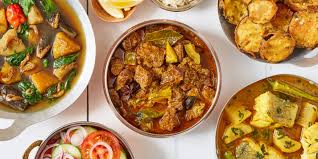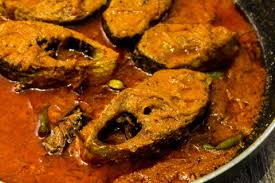
Exploring a delicious fish curry recipe from Bangladesh can feel like a grand adventure. Many home cooks get stuck feeling a bit overwhelmed. They want that perfect taste.
That comforting aroma. But the steps seem tricky. Ingredients might be hard to find.
Or maybe the dish just doesn’t turn out right. It’s a common worry. You want to make something special.
Something that tastes like it’s from a Bangladeshi kitchen.
This guide is here to help. We will walk through a classic Bengali fish curry. We will break down each step.
You’ll learn about the key spices. We will talk about fresh ingredients. We’ll even share some tips.
These tips come from real cooks. They will help you make a truly tasty dish. Get ready to bring a piece of Bangladesh to your table.
A classic Bangladeshi fish curry recipe involves fresh fish cooked in a fragrant broth. It uses common spices like turmeric, cumin, coriander, and chili. Often it includes mustard oil for a unique flavor.
Fresh ginger and garlic are also key. The cooking method usually simmers the fish gently. This allows the flavors to meld perfectly.
It’s a comforting and beloved dish across Bangladesh.
Understanding Bengali Fish Curry
Bengali fish curry, or Macher Jhol, is more than just food. It’s a cultural staple. It’s a dish that brings families together.
The region’s rich river systems mean fish is abundant. So, it’s no surprise that fish is central to Bengali cuisine. This curry is known for its light yet flavorful broth.
It’s not heavy or creamy. Instead, it focuses on fresh spices and herbs.
The base of a good Macher Jhol is simple. It usually starts with onions and ginger-garlic paste. Then come the powdered spices.
Turmeric gives it a beautiful yellow color. Cumin and coriander add depth. Chili powder brings a gentle warmth.
Mustard oil is often the cooking fat of choice. It adds a distinct, slightly pungent flavor that is very traditional.
Freshness is key for fish curry. The type of fish matters too. Rohu and Hilsa are very popular choices.
But many local freshwater fish work well. The fish is often marinated briefly. This helps it absorb the flavors.
Then it’s fried lightly. This gives it a nice texture. It also helps the fish hold its shape in the curry.
My First Fish Curry Mishap
I remember the first time I tried to make fish curry. It was for my parents. I wanted to impress them.
I had watched a video. It looked so easy. So, I bought some nice looking fish.
I chopped the onions. I measured out the spices. I thought I had everything right.
But when I tasted it, I was so disappointed. It was bland. The fish was a bit mushy.
The spices didn’t seem to blend well. I felt a wave of frustration. All that effort felt wasted.
My parents were kind, but I knew it wasn’t good. That day, I learned that simple doesn’t always mean easy. It takes practice.
And understanding the little details makes a big difference. It taught me to respect the process.
Essential Fish Curry Ingredients
Fresh Fish: About 1 lb, cut into steaks or pieces. Rohu, Catla, or Tilapia are good choices.
Onions: 1 medium, finely chopped.
Ginger-Garlic Paste: 1 tablespoon (equal parts fresh ginger and garlic, blended).
Green Chilies: 2-3, slit lengthwise (adjust to your spice preference).
Turmeric Powder: 1 teaspoon.
Cumin Powder: 1 teaspoon.
Coriander Powder: 1 teaspoon.
Red Chili Powder: 1/2 teaspoon (optional, for extra heat).
Mustard Oil: 2-3 tablespoons (or vegetable oil if mustard oil is unavailable).
Water: About 1.5 to 2 cups.
Salt: To taste.
Fresh Coriander Leaves: For garnish, chopped.
Preparing the Fish
Getting the fish ready is the first crucial step. You want to start with good quality fish. Fresh fish will always taste best.
For Macher Jhol, many people prefer freshwater fish. Think of fish like Rohu (Rui) or Catla. These have a nice texture.
They hold up well in the curry. You can also use Tilapia or Basa if those are easier to find.
Cut the fish into serving pieces. About 1-inch thick steaks work well. Wash them thoroughly.
Then, pat them dry with a paper towel. This is important. It helps the fish fry better.
It also stops the curry from getting watery.
Now, it’s time to season the fish. This is a simple but key step. Sprinkle some salt over the fish pieces.
Add a little bit of turmeric powder. Gently rub these onto the fish. Let it sit for about 10-15 minutes.
This marination helps the fish absorb flavor. It also gives the fish a lovely golden hue when fried.
Quick Fish Prep Steps
- Choose fresh fish.
- Cut into 1-inch pieces.
- Wash and pat dry.
- Marinate with salt and turmeric.
- Let sit for 15 minutes.
Frying the Fish
Frying the fish is another important part. It’s not about making it crispy like fried fish. It’s about giving it a nice sear.
This seals in the juices. It also makes the fish firmer. This helps it stay in shape in the curry.
It prevents it from breaking apart too much.
Heat your mustard oil in a pan. Mustard oil has a higher smoking point. It also adds a unique taste.
If you don’t have mustard oil, vegetable oil works too. Make sure the oil is hot, but not smoking. Too hot, and the fish will burn outside.
Too cool, and it will absorb too much oil.
Carefully place the marinated fish pieces into the hot oil. Do not overcrowd the pan. Fry them in batches if needed.
Fry each side for about 2-3 minutes. You want a light golden-brown color. It doesn’t need to be fully cooked.
Just seared on both sides. Once done, remove the fish from the pan. Set them aside on a plate.
You can drain any excess oil if you like.
Frying Tips for Fish
- Use mustard oil for authentic flavor.
- Heat oil to medium-high.
- Fry fish in batches to avoid crowding.
- Sear each side for 2-3 minutes.
- Aim for a light golden-brown color.
- Remove and set aside.
Making the Curry Base
Now it’s time to build the flavor for the curry. In the same pan, you might have some oil left. If not, add a little more mustard oil.
You want about 2 tablespoons of oil. Heat it on medium heat.
Add your chopped onions. Stir them well. Cook the onions until they become soft and translucent.
This usually takes about 4-5 minutes. You don’t want them to brown too much. Just soften them up.
This sweetness is important for the base.
Next, add the ginger-garlic paste. Stir it for about 30 seconds. Cook until the raw smell disappears.
Be careful not to burn it. Burned ginger-garlic can make the curry bitter.
Now, add the powdered spices. Turmeric powder, cumin powder, and coriander powder. Add the red chili powder too, if you are using it.
Stir these spices with the onions and ginger-garlic. Cook for about a minute. This helps to toast the spices.
This makes their flavors more intense. It also prevents the raw taste of the spices.
You can add a splash of water now. About 2-3 tablespoons. This helps to cook the spices further.
It also creates a paste-like consistency. Stir it well. Let it cook for another minute until the oil starts to separate from the masala.
This means the masala is well cooked.
Building the Masala
Step 1: Heat oil in the pan.
Step 2: Sauté chopped onions until soft.
Step 3: Add ginger-garlic paste. Cook until fragrant.
Step 4: Add turmeric, cumin, coriander, and chili powders.
Step 5: Cook spices for a minute, adding a splash of water.
Step 6: Cook until oil separates from the masala.
Adding the Liquids and Simmering
Once your masala is well-cooked, it’s time for the liquid. Carefully pour in about 1.5 to 2 cups of water. The amount of water depends on how thick or thin you like your curry.
For a typical Macher Jhol, you want a nice, flowing consistency.
Stir everything together. Make sure the masala is well mixed with the water. Add salt to taste at this point.
Remember, the fish already has some salt from marination. So, add salt gradually and taste as you go.
Bring the curry to a gentle boil. Once it starts boiling, lower the heat. You want to let it simmer.
Simmering allows the flavors to meld together. It thickens the gravy slightly. Let it simmer for about 5-7 minutes.
This step is where the magic happens. The spices infuse into the water. It creates that delicious curry broth.
Now, add the slit green chilies. These add a fresh aroma and mild heat. They also look nice in the curry.
Gently place the fried fish pieces into the simmering curry. Try to arrange them evenly.
Let the fish cook in the curry for about 5-7 minutes. You don’t want to overcook the fish. It’s already partially cooked from frying.
Cooking it too long will make it dry and flaky. The fish should absorb some of the curry flavor now. The curry will also get a bit thicker from the fish.
Simmering the Curry
Step 1: Pour in water (1.5-2 cups).
Step 2: Add salt to taste.
Step 3: Bring to a boil, then simmer for 5-7 minutes.
Step 4: Add slit green chilies.
Step 5: Gently add fried fish pieces.
Step 6: Simmer for another 5-7 minutes until fish is cooked through.
Finishing Touches and Serving
Once the fish is cooked through and the gravy has reached your desired consistency, it’s almost ready. Turn off the heat. Now is the time for the fresh coriander leaves.
Sprinkle a generous amount of chopped fresh coriander leaves over the curry. This adds a burst of freshness. It also gives a beautiful green color.
Give the curry a gentle stir. Let it rest for a couple of minutes. This allows the flavors to settle.
It also helps the coriander flavor infuse into the curry.
Serve the fish curry hot. It is traditionally served with plain steamed rice. The rice soaks up the delicious, flavorful broth perfectly.
You can also serve it with roti or paratha. A simple side salad or some steamed vegetables would also complement it well. Enjoy the authentic taste of Bengali fish curry.
Serving Suggestions
- Garnish with fresh coriander leaves.
- Let curry rest for a few minutes off heat.
- Serve hot with steamed white rice.
- Can also be served with roti or paratha.
Regional Variations of Fish Curry
Bangladesh is a land of rivers and rich culinary traditions. This means fish curry isn’t just one thing. Different regions have their own special ways of making it.
These variations often come from local produce and tastes. They also reflect the types of fish available in those areas.
In the coastal areas, like Chittagong, you might find curries made with coconut milk. This gives a richer, creamier texture. It’s a lovely contrast to the lighter, oil-based curries found inland.
These coastal versions often use different spices too. Maybe a touch of garam masala for warmth.
Sylhet, known for its tea gardens, might have curries that are a bit spicier. They might use more green chilies or even some black pepper. Some recipes might include a hint of sweetness from a small amount of jaggery or sugar.
This balances the spices.
Another popular style is the use of mustard paste. Instead of just mustard oil, some cooks grind mustard seeds into a paste. This paste is added towards the end of cooking.
It gives a very sharp, pungent flavor. This is especially common with certain types of fish.
Then there’s the Ilish Macher Jhol. Hilsa fish is a delicacy. Its oily flesh and unique taste make for a very special curry.
Often, it’s cooked with fewer spices. The focus is on letting the fish’s natural flavor shine through. Sometimes, just onions, green chilies, turmeric, and salt are used.
These variations show the diversity within Bengali cuisine. Each recipe tells a story. It connects to the local environment and culture.
Trying these different versions can be a fun culinary journey.
Fish Curry Styles
Coastal Chittagong: Often uses coconut milk for a richer taste.
Sylhet Region: May be spicier, with added black pepper or jaggery.
Mustard Paste Curries: Feature a pungent flavor from ground mustard seeds.
Ilish Macher Jhol: Focuses on the delicate flavor of Hilsa fish, using minimal spices.
North Bengal: Might use fermented fish products for a unique umami flavor.
Choosing the Right Fish
The choice of fish is very important for a good Bengali fish curry. Not all fish are created equal for this dish. You want fish that has a good texture.
It should not be too soft or fall apart easily.
Rohu (Rui): This is a classic choice. Rohu has firm, white flesh. It has a mild flavor that pairs well with spices.
It’s widely available in Bangladesh and in South Asian markets.
Catla (Katla): Similar to Rohu, Catla is another popular freshwater fish. It has a slightly firmer texture. It holds up very well during cooking.
Hilsa (Ilish): This is a prized fish in Bengali cuisine. Hilsa is known for its rich, oily flesh and unique taste. It’s often cooked with simpler spice mixes to let its flavor stand out.
It can be expensive and is seasonal.
Tilapia: If you can’t find traditional Bengali fish, Tilapia is a good substitute. It’s readily available and has a mild flavor. Its flesh is moderately firm.
Pangas or Basa: These are also mild-flavored white fish. They are often more affordable. However, they can be softer in texture.
Handle them gently when frying and cooking.
When buying fish, always look for fresh signs. The eyes should be clear. The gills should be bright red.
The flesh should be firm and spring back when pressed. Avoid fish that smells too strong or unpleasant.
Fish Selection Guide
- Best Bets: Rohu, Catla.
- Special Treat: Hilsa (Ilish).
- Good Substitutes: Tilapia, Pangas, Basa.
- Freshness Check: Clear eyes, red gills, firm flesh.
- Avoid: Fish with strong odors or soft flesh.
The Role of Mustard Oil
Mustard oil is more than just cooking fat in Bengali cuisine. It’s a flavor enhancer. It has a distinct, pungent aroma and taste.
This flavor is a signature of many Bengali dishes, including fish curry.
The pungency of mustard oil comes from compounds called isothiocyanates. When you heat mustard oil, these compounds are released. This creates the characteristic aroma.
It also adds a subtle spicy note to the food. This spice is different from chili heat. It’s more of a sharp, aromatic sensation.
Mustard oil has a high smoking point. This makes it suitable for frying. It also adds a beautiful golden color to the fried fish and the curry.
Using good quality, pure mustard oil is important. Look for brands that are specifically for cooking. Sometimes, very strong mustard oil can be overpowering.
You can temper it by heating it until it just starts to smoke, then letting it cool slightly before cooking. This mellows its intensity a bit.
If you are new to mustard oil, start with a smaller amount. You can also mix it with another neutral oil like vegetable oil. Gradually, you can increase the proportion of mustard oil as you get used to its flavor.
Many authentic recipes call for it, and it truly makes a difference in the final taste of the fish curry.
Mustard Oil Insights
Flavor Profile: Pungent, sharp, aromatic, slightly spicy.
Cooking Use: Ideal for frying and sautéing due to high smoke point.
Health Note: Contains beneficial fatty acids, but moderation is key.
Authenticity: Crucial for traditional Bengali taste.
Tip: Heat until just smoking to mellow intensity if needed.
Mastering Spice Levels
Spice level is a personal thing. What one person finds mild, another might find hot. In Bengali fish curry, the spices are meant to complement, not overpower, the fish.
The goal is a balanced flavor profile.
Turmeric Powder: This is used for color and a mild earthy flavor. It’s a staple and usually used generously.
Cumin Powder: Adds warmth and depth. It has a nutty, slightly bitter taste.
Coriander Powder: Provides a lighter, citrusy note. It balances the stronger spices like cumin.
Red Chili Powder: This is where the heat comes from. In Bangladesh, they often use varieties that give color and moderate heat. For example, Kashmiri chili powder gives a vibrant red color with less spice.
Green Chilies: These are often added whole or slit. They release their flavor and aroma into the curry. They provide a fresh, sharp heat.
Using a mix of green and red chili powder allows for layered heat.
If you prefer a milder curry, use less red chili powder and fewer green chilies. You can even remove the seeds from the green chilies. For a spicier curry, increase the amount of red chili powder.
You can also add more green chilies, or even finely chop one or two to add to the masala.
Always taste your curry as you cook. This is the best way to adjust the spice level to your liking. Remember that flavors will also deepen as the curry sits.
Spice Adjustment Guide
Mild Curry: Use 1/4 tsp red chili powder, 1-2 slit green chilies (seeds removed).
Medium Curry: Use 1/2 tsp red chili powder, 2-3 slit green chilies.
Spicy Curry: Use 1 tsp red chili powder (or more), 2-4 green chilies (chopped or slit).
Color: Kashmiri chili powder adds vibrant red without much heat.
Testing: Taste and adjust salt and spice throughout cooking.
Common Mistakes to Avoid
Even with a simple recipe, it’s easy to make a few common mistakes. These can turn a potentially delicious dish into something less appealing.
Overcooking the fish: This is probably the most common mistake. Fish cooks very quickly. Once it’s white and flakes easily, it’s done.
Overcooked fish becomes dry and rubbery.
Not frying the fish enough: While you don’t want to overcook, you also don’t want to skip frying altogether. Frying seals the fish and gives it a better texture. It also helps it hold its shape in the curry.
Burning the spices or ginger-garlic: These ingredients can burn very fast. Burnt spices make the curry bitter. Always cook them on medium-low heat.
Add a splash of water if they seem to be cooking too quickly.
Using too much water at once: Start with less water. You can always add more if the gravy is too thick. Adding too much water can dilute the flavors.
It can also make the cooking time longer than needed.
Not tasting and adjusting: Seasoning is key. Always taste your curry before serving. Does it need more salt?
A pinch more chili for heat? A little lemon juice for brightness? Adjusting at the end makes a big difference.
Using old or stale spices: Spices lose their potency over time. Use fresh spices for the best flavor. If your spices have been in the cupboard for years, it might be time for a refresh.
Avoid These Pitfalls
- Fish Cooking Time: Cook fish just until opaque and flaky.
- Spice Base: Gently cook onions, ginger-garlic, and powdered spices on medium heat. Add water to prevent burning.
- Gravy Consistency: Start with less water; add more if needed.
- Seasoning: Taste and adjust salt and spices before serving.
- Spice Freshness: Use recently purchased spices for best flavor.
The Joy of Home-Cooked Macher Jhol
Making your own fish curry is incredibly rewarding. It’s a skill that brings comfort and joy. When you nail that perfect balance of flavors, it feels amazing.
It’s especially wonderful when you share it with loved ones.
This recipe is a starting point. Feel free to experiment. Adjust the spices.
Try different types of fish. Add a touch of lemon juice for tang. Or a pinch of sugar for sweetness.
Over time, your fish curry will become your own. It will reflect your taste and your kitchen.
The aroma of fish curry cooking in your home is wonderful. It’s a smell that brings warmth and coziness. It’s a taste of tradition.
It’s a way to connect with a rich culinary heritage. So, don’t be afraid to try. Step into your kitchen.
Gather your ingredients. And create your own delicious Bangladeshi fish curry. Enjoy the process, and most importantly, enjoy the meal.
Frequently Asked Questions
What is the best type of fish for Bengali fish curry?
The best fish are freshwater varieties like Rohu (Rui) and Catla (Katla) because they have firm flesh and mild flavor. Hilsa (Ilish) is also very popular but has a distinct oily taste and is often cooked with simpler spices. Tilapia and Basa are good substitutes.
Can I use vegetable oil instead of mustard oil?
Yes, you can use vegetable oil or any neutral cooking oil if mustard oil is not available or if you prefer its taste. However, mustard oil adds a unique, authentic flavor to Bengali fish curry that is hard to replicate.
How do I prevent fish from breaking apart in the curry?
To prevent fish from breaking apart, ensure you fry the fish pieces until they are lightly golden and firm on both sides before adding them to the curry. Also, handle the fish gently when adding it to the curry and avoid over-stirring once it’s in the simmering gravy. Cook it for just enough time to absorb flavors.
My curry tastes bland. What can I do?
If your curry tastes bland, it might need more salt or a bit more spice. You can also try adding a squeeze of fresh lemon or lime juice at the end for brightness, or a pinch of sugar to balance the flavors. Ensure your spices are fresh, as old spices lose their potency.
How can I make the curry spicier?
To make the curry spicier, you can increase the amount of red chili powder. Adding more green chilies, either slit or finely chopped, will also increase the heat and add a fresh chili flavor. You can also add a pinch of ground black pepper.
What are common side dishes served with Bengali fish curry?
Bengali fish curry is most commonly served with plain steamed white rice. It also pairs well with Roti, Paratha, or rice-based flatbreads like Luchi. Simple vegetable stir-fries or a fresh salad can also be served alongside.
How long does it take to cook a Bengali fish curry?
A typical Bengali fish curry takes about 30-40 minutes from start to finish. This includes the time for marinating the fish briefly, frying it, preparing the spice base, and simmering the curry with the fish.
Conclusion
Bringing the authentic taste of Bangladeshi fish curry into your kitchen is achievable. It’s a dish that celebrates simple, fresh ingredients and aromatic spices. By understanding the steps, choosing the right fish, and respecting the cooking process, you can create a truly memorable meal.
Don’t be afraid to adjust to your own taste. The journey of cooking is one of discovery and enjoyment. Happy cooking!