Authentic Bangla village food recipes focus on fresh, local ingredients and time-honored cooking techniques. They capture the essence of rural life, offering simple yet deeply flavorful dishes. This guide explores key recipes, essential ingredients, and the cultural significance behind them, helping you bring a taste of Bengali countryside to your table.
The Soul of Bangla Village Cooking
Village food in Bangla is more than just meals. It’s a way of life. It’s about using what nature provides.
It’s about cooking with love and sharing with family. The focus is always on fresh, seasonal produce. Farmers grow most of the ingredients themselves.
This means the food is incredibly vibrant and healthy. The cooking methods are often simple. But they bring out amazing flavors.
Think slow cooking, sun-drying, and using clay pots. These methods are passed down through generations.
The heart of Bangla village cooking lies in its respect for ingredients. Every part of a vegetable or fish is often used. This reduces waste.
It also adds unique textures and tastes to dishes. Spices are used, but often in a balanced way. They enhance, not overpower, the main flavors.
The result is food that is comforting and deeply satisfying. It’s food that feels honest and real.
Essential Ingredients of Bangla Village Recipes
To cook authentic village food from Bangla, you need some key ingredients. These are the building blocks of many traditional dishes. Many are easily found in Asian markets.
Others might be new to you. But they are worth seeking out.
Rice: The Staple Foundation
Rice is the absolute king in Bangla. Most meals start and end with it. In villages, they often grow their own rice.
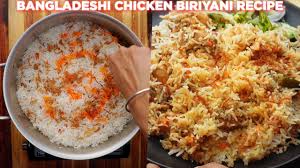
Varieties like ‘Balam’ or ‘Kataribhog’ are very popular. These aromatic rice types have a special fragrance. They cook up fluffy and delicious.
The way rice is cooked matters too. It’s often steamed perfectly. Sometimes it’s cooked with a little ghee for extra flavor.
Mustard Oil: The Flavorful Fat
Mustard oil is crucial. It’s used for almost all cooking. It has a pungent, slightly spicy flavor.
This flavor is a signature of Bengali cuisine. It’s also believed to have health benefits. In villages, they often press their own mustard seeds.
This oil is strong. A little goes a long way. It gives dishes a distinct aroma and taste that is hard to replicate.
Fresh Vegetables: From the Earth
Villages are rich in fresh vegetables. Seasonal greens are used a lot. Think spinach, jute leaves (pui shak), and mustard greens.
Other common vegetables include brinjal (eggplant), gourds like bottle gourd and ridge gourd, potatoes, cauliflower, and pumpkin. The freshness is key. They are often cooked very simply.
This lets their natural sweetness shine through. Many vegetables are also pickled or dried for later use.
Fish: The River’s Bounty
Bangla is a land of rivers and ponds. So, fish is a very important part of the diet. Hilsa (ilish) is the national fish.
It’s prized for its rich, oily flesh and unique taste. Other popular fish include rui (carp), katla (catla), and chingri (shrimp). Fish is cooked in many ways.
Stews, curries, fried, or even smoked. The preparation often involves marinating with turmeric and salt. This is followed by frying or simmering in a gravy.
Lentils (Dal): The Everyday Protein
Lentils are a daily staple. They are a great source of protein. Various types of dals are used.
Masoor dal (red lentils) is common. Moong dal (yellow lentils) and chana dal (split chickpeas) are also popular. Dal is usually boiled until soft.
It’s then seasoned with spices like cumin, turmeric, and ginger. A ‘tadka’ or tempering of spices and sometimes garlic or chili in hot oil is added at the end. This simple step makes dal incredibly flavorful.
Spices: The Aromatic Touch
A few core spices are used. Turmeric is used for color and its health benefits. Cumin seeds and powder add earthy notes.
Coriander seeds and powder offer a citrusy warmth. Mustard seeds are used whole or ground. Fenugreek seeds add a slightly bitter edge.
Green chilies provide heat. Dried red chilies add pungency. Ginger and garlic are used as pastes or finely chopped.
The way spices are toasted and combined is an art.
The art of tempering, called ‘phoron’ or ‘tadka’, is vital. It involves frying whole or ground spices in hot oil or ghee. This releases their aromas and flavors.
It’s a final flourish that elevates simple dishes.
Signature Bangla Village Recipes
Let’s dive into some specific recipes that embody the spirit of Bangla village food. These are dishes you can try at home. They are designed to be approachable.
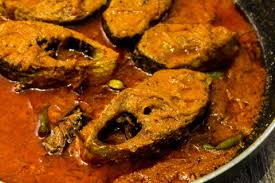
Shorshe Ilish (Hilsa in Mustard Gravy)
This is perhaps the most iconic Bengali dish. Ilish fish cooked in a spicy, pungent mustard paste gravy. It’s a dish that divides opinions but loved by many.
Ingredients:
1 hilsa fish, cut into pieces
2-3 tbsp mustard seeds (black and yellow)
1-2 green chilies
1 tsp poppy seeds (optional, for thickness)
1/2 tsp turmeric powder
Salt to taste
2 tbsp mustard oil
1-2 dried red chilies
1/2 tsp nigella seeds (kalonji)
Water
Instructions:
Grind mustard seeds, green chilies, and poppy seeds (if using) into a fine paste with a little water. Be careful not to over-grind or it can become bitter. Marinate the fish pieces with salt and turmeric powder.
Heat mustard oil in a pan. Add nigella seeds and dried red chilies. Let them splutter.
Add the marinated fish and fry lightly on both sides. Remove the fish and set aside. In the same oil, add the mustard paste.
Add a little water and turmeric powder. Stir well. Cook the paste on low heat for a few minutes until the oil starts to separate.
Add the fried fish pieces to the gravy. Add enough water to cover the fish. Simmer gently for 5-7 minutes until the fish is cooked through.
Do not overcook. Add a drizzle of raw mustard oil on top just before serving. This gives it a fresh kick.
Serve hot with steamed rice.
This dish is best enjoyed simply. The strong flavor of mustard and the unique taste of hilsa are the stars. It’s a celebration of the river.
Dhokar Dalna (Lentil Cakes in Curry)
Dhoka are savory cakes made from lentil paste. They are fried and then cooked in a flavorful curry. It’s a vegetarian delight.
Ingredients:
For the Dhoka:
1 cup chana dal (split chickpeas), soaked for 4-5 hours
1/2 cup moong dal (yellow lentils), soaked for 4-5 hours
2-3 green chilies
1 inch ginger
1/2 tsp cumin seeds
1/2 tsp turmeric powder
Salt to taste
Oil for frying
For the Curry:
1-2 tbsp mustard oil
1 tsp cumin seeds
1/2 tsp turmeric powder
1/2 tsp red chili powder
1/2 tsp coriander powder
1/2 tsp garam masala powder
Salt to taste
1-2 tomatoes, pureed
Water
Instructions:
Drain the soaked dals. Grind them into a coarse paste with green chilies and ginger. Do not make it too smooth.
Heat a little oil in a pan. Add cumin seeds. Then add the dal paste.
Stir continuously. Add turmeric powder and salt. Keep stirring until the mixture thickens and leaves the sides of the pan.
This will take about 10-15 minutes. Spread the mixture onto a greased plate. Let it cool slightly.
Cut into desired shapes (squares or diamonds). Heat oil in a kadai (wok). Fry the lentil cakes until golden brown on both sides.
Drain and set aside. In the same kadai, add mustard oil. Add cumin seeds.
Let them splutter. Add turmeric powder, red chili powder, coriander powder, and salt. Stir for a few seconds.
Add the tomato puree. Cook until the oil separates from the masala. Add water to make the gravy.
Bring it to a boil. Gently add the fried dhoka cakes to the gravy. Simmer for 5-7 minutes until the dhoka absorb the flavors.
Sprinkle garam masala powder on top. Serve hot with rice or roti.
This dish is a testament to how simple ingredients can be transformed. The texture of the fried dhoka is wonderful. The curry is rich and comforting.
Aloo Posto (Potatoes in Poppy Seed Paste)
This is a simple, comforting vegetarian dish. Potatoes are cooked in a paste of poppy seeds and green chilies. It’s a staple in Bengali homes.
Ingredients:
2-3 medium potatoes, peeled and cubed
2-3 tbsp poppy seeds
2-3 green chilies
1 tsp nigella seeds (kalonji)
1/2 tsp turmeric powder
Salt to taste
2 tbsp mustard oil
Water
Instructions:
Soak poppy seeds and green chilies in warm water for 15 minutes. Grind them into a smooth paste. Heat mustard oil in a pan.
Add nigella seeds. Let them splutter. Add the potato cubes and turmeric powder.
Sauté for a couple of minutes. Add salt. Pour in the poppy seed paste.
Mix well. Add enough water to cook the potatoes. Cover and simmer on low heat until the potatoes are tender and the gravy thickens.
Stir occasionally. If it becomes too dry, add a little more hot water. Serve hot with steamed rice.
A drizzle of raw mustard oil on top is optional but recommended.
The creamy texture from the poppy seeds is unique. This dish highlights the subtle flavors of potatoes. It’s pure comfort food.
Chingri Malaikari (Prawn in Coconut Milk Gravy)
A slightly richer dish, often made for special occasions. Large prawns are cooked in a creamy, fragrant coconut milk gravy. Ingredients:
1/2 kg large prawns, shelled and deveined
1 cup thick coconut milk
1/2 cup thin coconut milk
1 inch ginger, grated
1-2 green chilies, slit
1 tsp turmeric powder
1/2 tsp red chili powder
1/2 tsp cumin powder
1/2 tsp coriander powder
1/4 tsp garam masala powder
Salt to taste
2 tbsp ghee or mustard oil
1 bay leaf
2-3 whole cardamom pods
2-3 whole cloves
1-inch cinnamon stick
Instructions:
Marinate the prawns with salt and turmeric powder. Set aside. Heat ghee or mustard oil in a pan.
Add bay leaf, cardamom, cloves, and cinnamon. Let them release their aroma. Add the grated ginger and green chilies.
Sauté for a minute. Add cumin powder and coriander powder. Stir for a few seconds.
Add the marinated prawns. Sauté for 2-3 minutes until they turn pink. Pour in the thin coconut milk.
Add red chili powder and salt. Simmer for 3-4 minutes until the prawns are cooked. Do not overcook.
Pour in the thick coconut milk. Stir gently. Heat through but do not let it boil vigorously, or the coconut milk might split.
Sprinkle garam masala powder on top. Serve hot with rice or pulao.
This dish is a beautiful balance of sweet coconut and savory prawn. It feels festive and delicious.
Understanding Flavor Profiles
Sweetness: Often comes from fresh vegetables like pumpkin, gourds, and ripe tomatoes. Jaggery (gur) is sometimes used in place of sugar for a deeper, caramel-like sweetness.
Pungency: Primarily from mustard oil and fresh green chilies. Dried red chilies add a different kind of heat.
Umami: Found in fish, lentils, and fermented ingredients. The cooking process, especially slow simmering, enhances this savory depth.
Aroma: Spices like cumin, fenugreek, and nigella seeds, along with aromatic rice and fresh herbs like cilantro, contribute significantly.
Real-World Context: The Village Kitchen
Imagine a typical village kitchen in Bangla. It’s often open or semi-open. The cooking stove might be made of mud and bricks.
This is called a ‘chulha’. It uses firewood or dried cow dung cakes for fuel. This slow, gentle heat is perfect for traditional cooking.
It allows flavors to meld slowly.
Women in the village are the primary cooks. They wake up early. They fetch water from the village well or pond.
They prepare the day’s meals with practiced hands. The cooking space is simple but functional. Clay pots and metal utensils are common.
There’s often a pantry stocked with dried grains, lentils, pickles, and spices.
The rhythm of cooking is tied to the seasons. What’s fresh in the market or garden dictates the menu. Summer brings mangoes and jackfruits, used in savory dishes.
The monsoon season means abundant greens. Winter offers root vegetables and a variety of fish. This seasonal eating is healthy and sustainable.
A Day’s Meal in a Village Home
Breakfast: Often simple. Leftover rice from the previous night mixed with a little salt and mustard oil. Or perhaps ‘panta bhat’ (fermented rice) with chilies and onions.
Roti (flatbread) with a simple vegetable dish is also common.
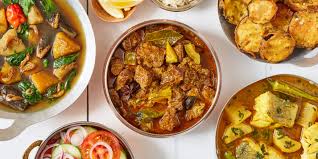
Lunch: The main meal. Steamed rice, a dal preparation, a vegetable stir-fry or curry, and a fish or meat dish. Sometimes a side of pickles or chutney.
Dinner: Usually lighter than lunch. Rice or roti with dal and a vegetable dish. Sometimes a lighter fish preparation.
Cooking Practices and Techniques
The cooking techniques used in Bangla villages are deeply rooted in tradition. They aim to maximize flavor and nutrition from simple ingredients.
Slow Cooking
Many dishes, especially curries and dals, are slow-cooked. Using the ‘chulha’ provides a consistent, gentle heat. This allows the ingredients to cook thoroughly.
Flavors develop and deepen over time. Slow cooking tenderizes tougher cuts of meat and makes lentils creamy.
Sun-Drying and Fermenting
To preserve food, sun-drying is common. Fish, vegetables like gourds and chilies, and even fruits are dried. These dried ingredients add unique flavors to dishes when rehydrated.
Fermenting is also practiced. ‘Panta bhat’ is a prime example. This fermented rice is a staple and considered healthy.
Frying Methods
Frying is used for many items. Lentil cakes (dhoka), fritters (bora), and sometimes fish are deep-fried. Shallow frying is also common.
The oil used is typically mustard oil, which imparts its characteristic flavor.
Using Clay Pots
Clay pots (‘matir’ hāṛi) are still used for cooking. They distribute heat evenly. They also add a subtle earthy flavor to food.
Cooking in clay pots is slow and gentle, ideal for gravies and slow-cooked dishes.
Quick Scan: Spice Tempering (Phoron)
Purpose: To release essential oils and aromas from whole spices.
Common Ingredients: Nigella seeds, cumin seeds, mustard seeds, fenugreek seeds, dried red chilies.
Method: Heat oil, add spices, fry until fragrant (watch carefully to avoid burning).
When Used: At the beginning of cooking (for curries, dals) or as a finishing touch.
What This Means for You
Learning about Bangla village food recipes is a rewarding experience. It’s not just about cooking; it’s about connecting with a rich culinary heritage. You can bring these authentic flavors into your own kitchen.
When It’s Normal
It’s normal to find village recipes that seem simple. They often rely on very few ingredients. The magic is in the technique and the freshness.
Don’t be put off by a lack of complex steps. Trust the process. The bold flavors of mustard, the fragrance of fresh herbs, and the heartiness of lentils are all hallmarks of this cuisine.
It’s also normal for dishes to have a distinct smell from mustard oil. This is a good thing!
When to Worry (or Seek Help)
The main concern when cooking these dishes is understanding the ingredients. For example, mustard oil has a strong flavor. If you’re not used to it, start with a smaller amount.
Or try a milder brand. If a dish tastes overwhelmingly bitter, it might be from over-grinding mustard seeds or using stale spices. Some fish like Hilsa have fine bones.
Be mindful when eating.
If you are allergic to any ingredients like mustard seeds or poppy seeds, obviously avoid them. Always cook fish and meat thoroughly. Ensure your lentils are well-cooked.
Simple Checks You Can Do
Taste as you go: This is the golden rule. Adjust salt, spices, and chilies to your preference. Check texture: Ensure potatoes are tender, dals are creamy, and fish is flaky.
Smell: Does the dish smell fragrant? Is the mustard oil aroma pleasant, not burnt? Color: Turmeric gives a lovely golden hue.
Fresh greens should retain their color. Heat level: If it’s too spicy, you can sometimes add a little yogurt or coconut milk to cool it down.
Quick Fixes & Tips for Authentic Taste
Bringing village flavors home doesn’t require a mud stove. Here are some tips:
- Use Good Quality Mustard Oil: This is non-negotiable for authentic flavor. Look for cold-pressed varieties.
- Fresh Ingredients Are Key: Use the freshest vegetables and fish you can find. Seasonal is always best.
- Don’t Rush the Masala: Allow spices to cook properly in oil until they release their aroma. This builds the flavor base.
- Master the ‘Phoron’: This simple tempering step makes a huge difference.
- Steam Your Rice Well: Use aromatic rice if possible. Proper steaming ensures fluffy grains that complement the dishes.
- Embrace Simplicity: Village cooking is about letting natural flavors shine. Don’t overcomplicate recipes.
- Adjust Spices: Start with the recipe’s spice levels and adjust them to your liking. You can always add more heat or flavor.
- Get Comfortable with ‘Panta Bhat’: If you’re adventurous, try making this fermented rice dish. It’s a true taste of rural life.
Tips for Sourcing Ingredients
Mustard Oil: Look for “cold-pressed” or “unrefined” at Indian or Asian grocery stores. Hilsa Fish: This can be tricky to find outside of South Asia. If unavailable, use other oily, flavorful fish like shad or mackerel, though the taste will differ.
Poppy Seeds: Available at most well-stocked supermarkets or specialty spice shops. Nigella Seeds (Kalonji): Often found in the spice aisle of larger grocery stores or Indian markets. Fresh Greens: Seek out Asian markets for authentic jute leaves (paat shaak) or other local greens like spinach.
Frequently Asked Questions
What is the most famous village food recipe from Bangla?
Shorshe Ilish (Hilsa fish cooked in mustard gravy) is arguably the most famous and iconic village food recipe from Bangla. It represents the region’s love for fish and its signature mustard flavor.
Can I use other oils instead of mustard oil?
While you can use other oils like vegetable or canola oil, it will significantly change the authentic flavor of Bangla village food. Mustard oil is a key ingredient that provides a unique pungent taste and aroma. It’s highly recommended to use mustard oil for the most traditional results.
Are Bangla village recipes very spicy?
Bangla village recipes use spices, including green chilies and sometimes dried red chilies, to add flavor and heat. However, the spice level can be adjusted. The focus is often on balancing flavors, with the pungency of mustard and the warmth of spices complementing the main ingredients rather than overpowering them.
What kind of rice is typically used?
Aromatic rice varieties like ‘Balam’ or ‘Kataribhog’ are traditionally preferred in Bangla villages for their fragrance and texture. However, any good quality medium or long-grain rice, steamed well, can be used to enjoy these recipes.
How do I store leftover village food?
Leftovers can be stored in an airtight container in the refrigerator for 2-3 days. Reheat gently on the stovetop or in a microwave. Some dishes, like lentil preparations, might thicken upon cooling and require a little water when reheating.
Is village food healthy?
Yes, Bangla village food is generally considered very healthy. It emphasizes fresh, seasonal vegetables, lean proteins like fish and lentils, and uses spices with known health benefits like turmeric and ginger. The use of mustard oil is also considered beneficial in moderation.
Cooking methods often involve less oil and slower cooking, preserving nutrients.
The Enduring Charm of Bangla Village Food
Exploring Bangla village food recipes is like opening a treasure chest of flavors. It’s about rediscovering the beauty of simple, honest cooking. These recipes connect us to the land, to tradition, and to each other.
They remind us that the best meals are often made with the freshest ingredients and a lot of heart. So, give these recipes a try. You might just find yourself falling in love with the authentic taste of rural Bengal.